The Classroom Evolution
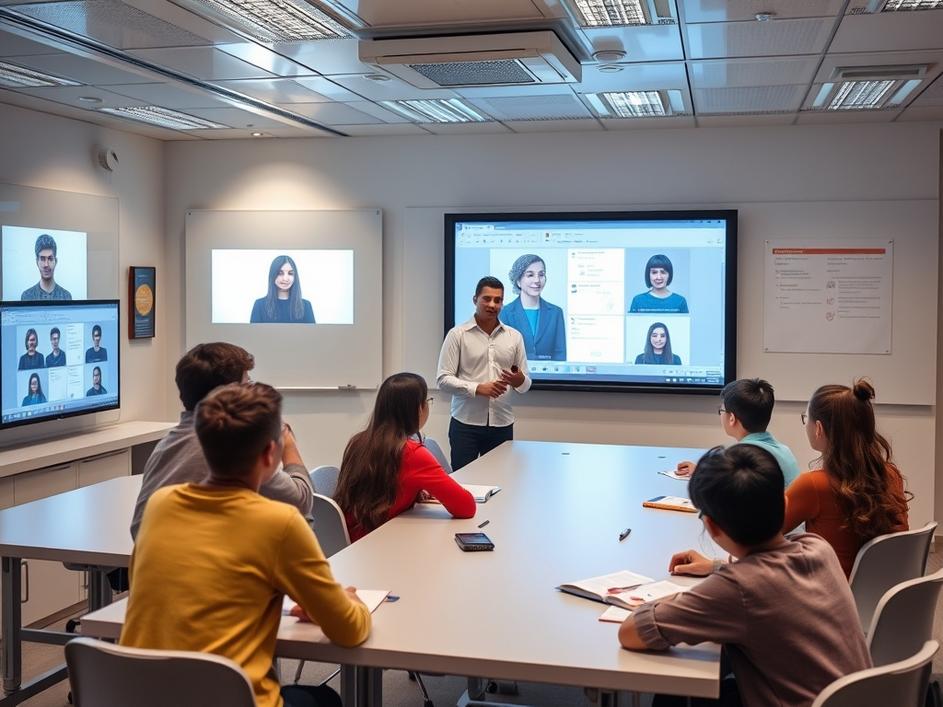
As technology continues to evolve at a lightning pace, our education system is also undergoing significant changes. Classrooms are no longer just about textbooks and chalkboards. Instead, they are becoming more dynamic and interactive environments. One of the most interesting developments is the integration of AI tutors. These intelligent systems are designed to provide personalized learning experiences. But what does this really mean for students and teachers?
Personalized Learning for All
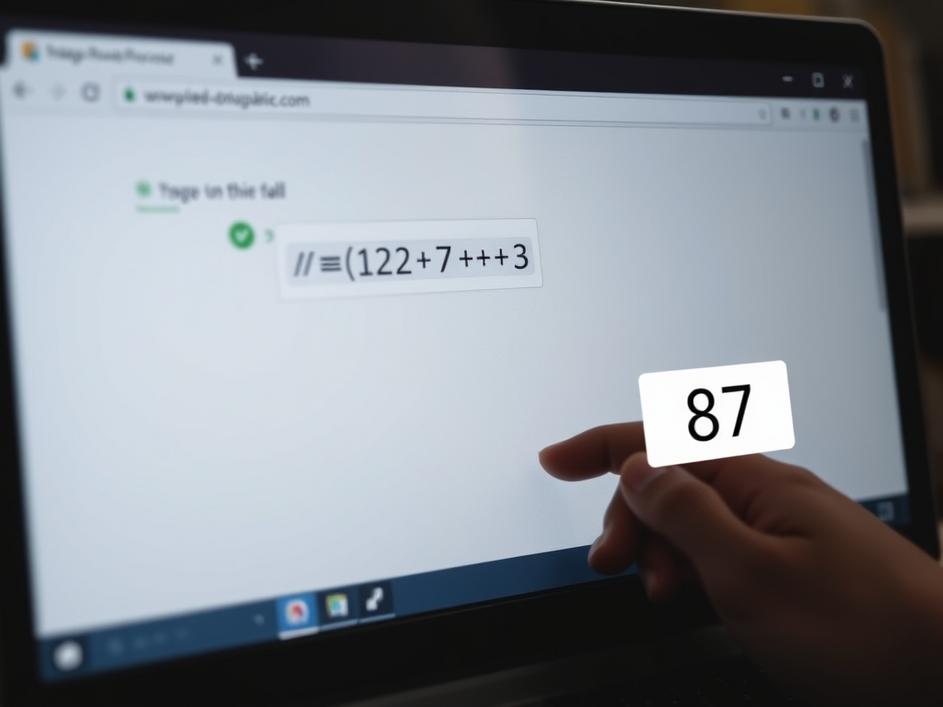
One of the key benefits of AI tutors is their ability to personalize education. Traditional teaching methods often struggle to cater to individual learning paces. Some students grasp concepts quickly, while others need more time and support. AI tutors can adjust their teaching style based on student performance, offering tailored resources and exercises. This customization can help students stay engaged and improve their understanding of subjects.
The Teacher’s New Ally
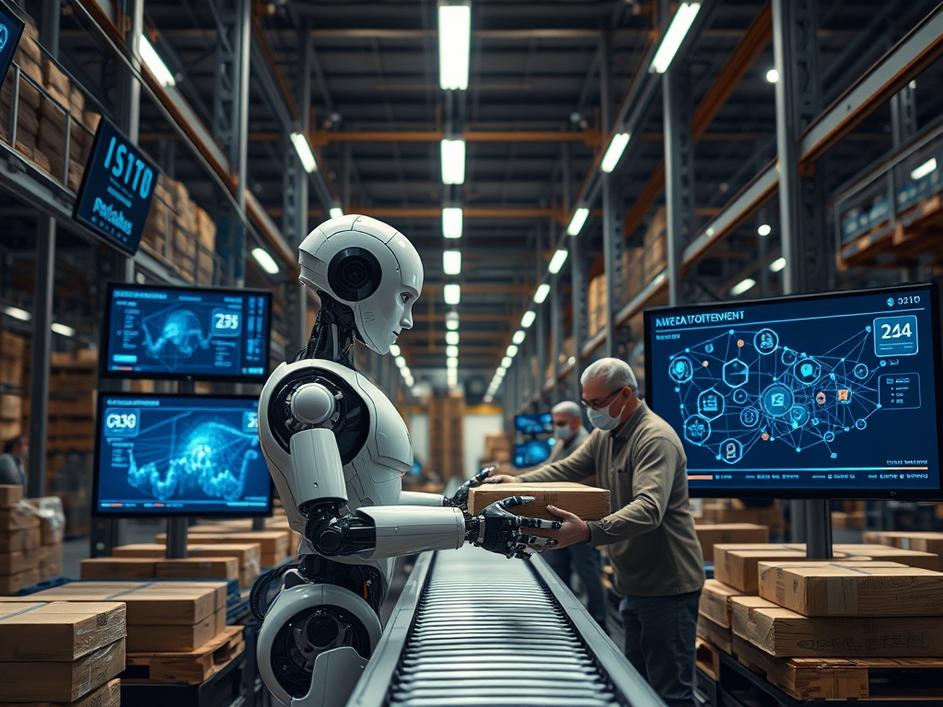
It’s easy to see how some might view AI as a threat to traditional teaching roles. However, many educators are embracing this technology as an ally rather than an adversary. AI tutors can take over routine tasks that often burden teachers, such as grading and administrative duties. This gives educators more time to focus on direct interactions with students. In essence, AI can handle the data, allowing teachers to do what they do best: inspire and motivate students.
Addressing Concerns: Privacy and Accessibility
While the potential of AI tutors is exciting, it’s important to address the concerns that come with them. Privacy issues stand out, as these systems often require access to significant amounts of student data. Schools must establish strict guidelines to protect students’ personal information. Additionally, we need to ensure that AI technology is accessible to all schools, regardless of their funding or resources. Implementing these systems should not create a divide where only affluent schools benefit from advanced learning tools.
The Future of Education
Looking ahead, the role of AI in education is likely to expand. We’re already seeing pilot programs testing AI applications in real-world classrooms. However, the successful integration of these tools will depend on ongoing collaboration between tech developers and educators. It’s essential that AI remains a tool that enhances the human touch in education rather than replacing it. As we navigate this new landscape, we can start to envision classrooms where technology empowers both students and teachers.
Conclusion: A Balanced Approach
In conclusion, the rise of AI tutors represents a significant opportunity to rethink our educational frameworks. With the right balance of technology and human engagement, we can create personalized and engaging learning experiences. As we embrace these innovations, let’s also remain mindful of the challenges they present. Only then can we ensure that education remains inclusive, effective, and centered around the needs of every student.




Comments are closed