Introduction to the Shift
This year has seen significant changes in the automotive landscape, with electric vehicles (EVs) taking center stage. From new models rolling off the production line to ambitious government initiatives promoting green technology, the momentum surrounding electric vehicles is stronger than ever. With environmental concerns at the forefront, many consumers are turning to EVs as a sustainable alternative to traditional cars. So, what’s driving this movement?
Government Support and Incentives
One of the main factors accelerating the adoption of electric vehicles is government support. Many countries are offering tax incentives, rebates, and grants to encourage consumers to make the switch. In addition, some cities are implementing stricter emissions regulations, making it less viable for traditional combustion engine vehicles to enter the market. This push from governments isn’t just about cutting emissions; it’s about steering the future of transportation towards cleaner alternatives.
Technological Advancements Leading the Charge
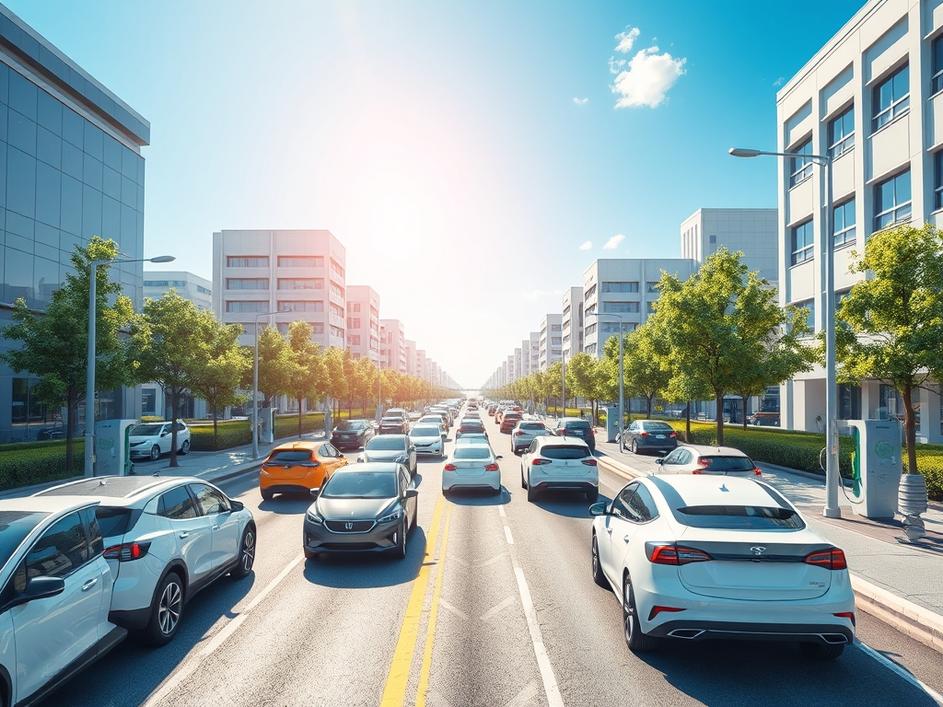
Another reason for the rising popularity of EVs is the rapid development of battery technology. New advancements have brought about batteries that last longer and charge faster. With many consumers used to the convenience of gas stations, the improved charging infrastructure plays a critical role as well. More charging stations are popping up in urban areas, alleviating concerns about range anxiety. This means that owning an electric car is becoming just as convenient as a traditional one.
Consumer Sentiment Shifting
Perceptions about electric vehicles are also changing. Initially, many consumers considered them to be impractical due to issues like range and charging times. However, increasing awareness about climate change and environmental responsibility has shifted attitudes. As more people understand the long-term cost benefits and the reduced carbon footprint of EVs, the demand continues to grow. Social media and influencers are also amplifying this discussion, making electric vehicles a hot topic among potential buyers.
Challenges Ahead
Despite the excitement, hurdles remain. Some consumers are skeptical about the overall impact of EVs on the environment. Questions about battery production and recycling come up. There’s also concern about the sourcing of raw materials used in these batteries, which can sometimes lead to environmental harm. Moreover, the initial price of electric vehicles can still be a barrier for many. While prices are gradually decreasing, they’re not yet universally affordable. Manufacturers need to find ways to make EVs accessible to a broader audience if they want to ensure this trend continues.
Conclusion: A Bright Electric Future
In conclusion, the rise of electric vehicles marks a significant shift in consumer habits and automotive technology. With the backing of governments, advancements in battery tech, and a changing public perception, electric vehicles are set to thrive. There are challenges ahead, but the commitment to greener transportation appears unwavering. As we look to the future, it’s clear that electric vehicles will play an essential role in shaping our roads and our environment for years to come.






Comments are closed