Introduction to the Electric Vehicle Boom
In the last decade, electric vehicles (EVs) have shifted from a niche market to a prominent part of the automotive landscape. The increasing awareness around climate change and the desire for sustainable solutions are driving consumers and manufacturers to embrace this shift. Major car brands have made significant commitments to electrification, promising to phase out gasoline engines in favor of EVs. This trend raises a critical question: are we on the brink of a sustainable automotive revolution or merely witnessing a temporary fad?
Government Policies and Incentives
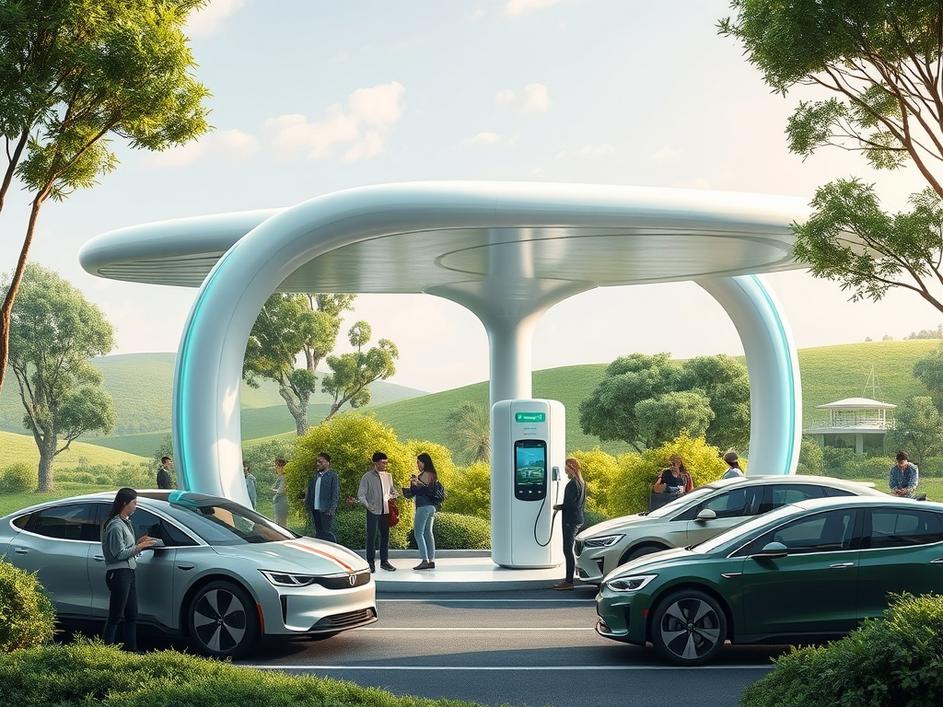
Government policies play a vital role in promoting electric vehicles. Various countries are implementing aggressive incentives to encourage consumers to buy EVs. Tax credits, rebates, and grants help reduce the initial cost of electric cars, making them more appealing. Additionally, many governments plan to invest heavily in EV infrastructure, such as charging stations, to make it easier for people to transition away from traditional vehicles. Even beyond monetary incentives, the idea of stricter emissions targets is pushing more consumers and businesses toward electric solutions.
Consumer Sentiment Shifts
Consumer attitudes towards electric vehicles are changing. Once seen as futuristic and impractical, EVs are now viewed as a viable choice for everyday transportation. Many people associate electric cars with lower running costs and maintenance expenses, despite the higher upfront investment. Moreover, the expansion of models by major car manufacturers means that consumers can now find an electric vehicle that fits their needs, whether it’s a compact city car or a spacious SUV. As awareness grows, so does the demand for EVs; this shift in sentiment couldn’t come at a better time for the environment.
The Challenges Ahead
As promising as the rise of electric vehicles seems, challenges remain. The production of batteries for these cars involves significant environmental and ethical concerns, from mining for lithium to the disposal of old batteries. The possibility of depleting natural resources raises questions about the long-term sustainability of widespread EV adoption. Furthermore, while the charging infrastructure is growing, there are still gaps in availability in many areas, making it less convenient for some consumers. Addressing these issues will be crucial if electric vehicles are to become a mainstay in automotive society.
Looking Towards the Future
As we look to the future, it’s essential to consider whether electric vehicles will remain a lasting part of our transportation ecosystem or if they will eventually fade away. The combination of government incentives, technological advancements, and shifting consumer preferences certainly paves the way for continued growth. However, for the transition to be truly sustainable, stakeholders must address the associated environmental costs and improve infrastructure. Will the car of tomorrow be electric? Everything points to yes, but the journey ahead will require careful navigation.
Conclusion: A Call for Balanced Perspectives
In summary, while the rise of electric vehicles presents a hopeful narrative for sustainable transportation, it is essential to keep a balanced perspective. We must acknowledge both the amazing advancements and the significant hurdles still facing the industry. The future of electric vehicles could very well define our approach to sustainable mobility, but only if we address the underlying issues. Let’s hope individuals, governments, and the automotive industry can work together to turn the promise of electric vehicles into a reality that benefits both society and the planet.






Comments are closed