A New Era for Climate Action
Recent announcements in climate policies have stirred conversations worldwide. With governments stepping up efforts to combat climate change, these policies aim to create a significant impact on our environment. But what does this mean for us in our daily lives? The goal is straightforward: to reduce emissions and promote sustainability, but the implementation is where things get interesting.
Changes on the Ground
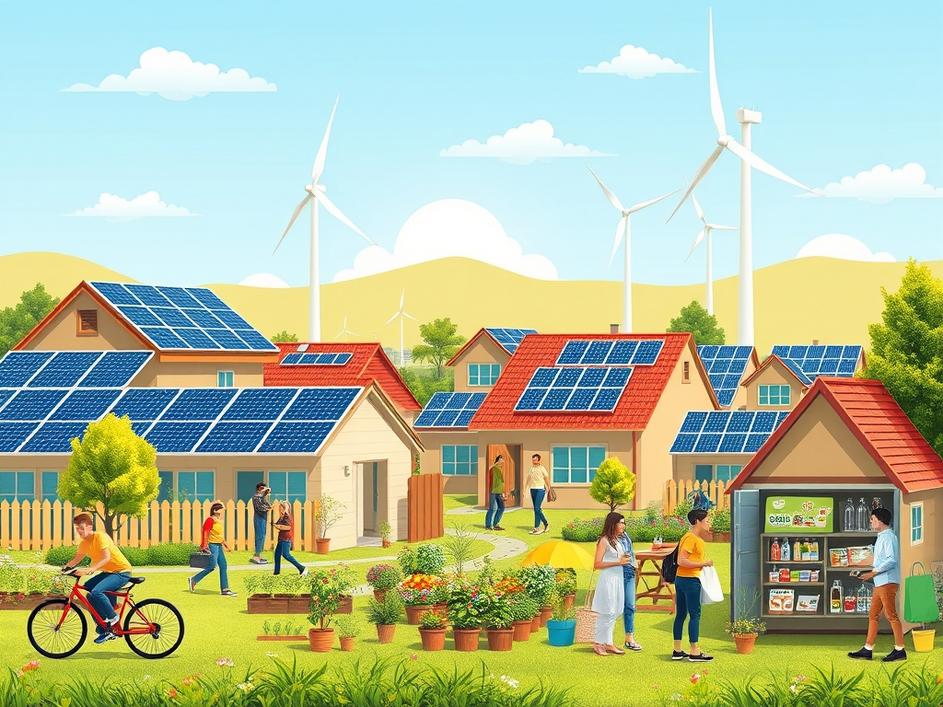
One of the main ideas behind these climate initiatives is to encourage the use of renewable energy. Solar panels and wind turbines are now commonly seen as towns aim for greener solutions. Many homeowners are considering solar energy not just for environmental benefits, but to save on utility bills. In many ways, transitioning to green energy sources opens up new possibilities and discussions about energy independence at individual and community levels.
The Economic Perspective
While the benefits of climate policies are evident, they come with economic implications. For instance, job creation in the renewable energy sector is on the rise. New jobs are emerging in manufacturing and installation of green technologies, but there’s a flip side—fossil fuel industries are facing job losses. This transition poses a challenge as communities dependent on traditional energy sectors must adapt and prepare for a changing job landscape.
Behavioral Shifts Among Consumers
As these policies take root, there’s a noticeable shift in consumer behavior. More people are prioritizing sustainable products, and businesses are responding by committing to eco-friendly practices. From grocery stores offering reusable bags to clothing companies focusing on sustainable materials, everyday shopping experiences are evolving. Customers are becoming more aware of their choices, often opting for products that align with eco-conscious values.
A Call for Collective Action
It’s not just about policy changes at the top. Each individual can contribute to the fight against climate change. Simple actions like reducing waste, using public transport, or supporting local ecology initiatives can amplify the impact of these broader policies. Encouraging community engagement and education on sustainability can create a ripple effect, leading to more informed and active citizens.
Conclusion: The Road Ahead
As we navigate these new climate policies, it’s essential to stay informed and engaged. The shift towards a more sustainable world is not solely a government initiative; it’s a collective journey that involves all of us. The future of our planet relies on our ability to adapt and act. By being proactive and welcoming these changes, we can transform the challenges posed by climate policies into opportunities for a greener tomorrow.






Comments are closed