The Rise of Local Farming
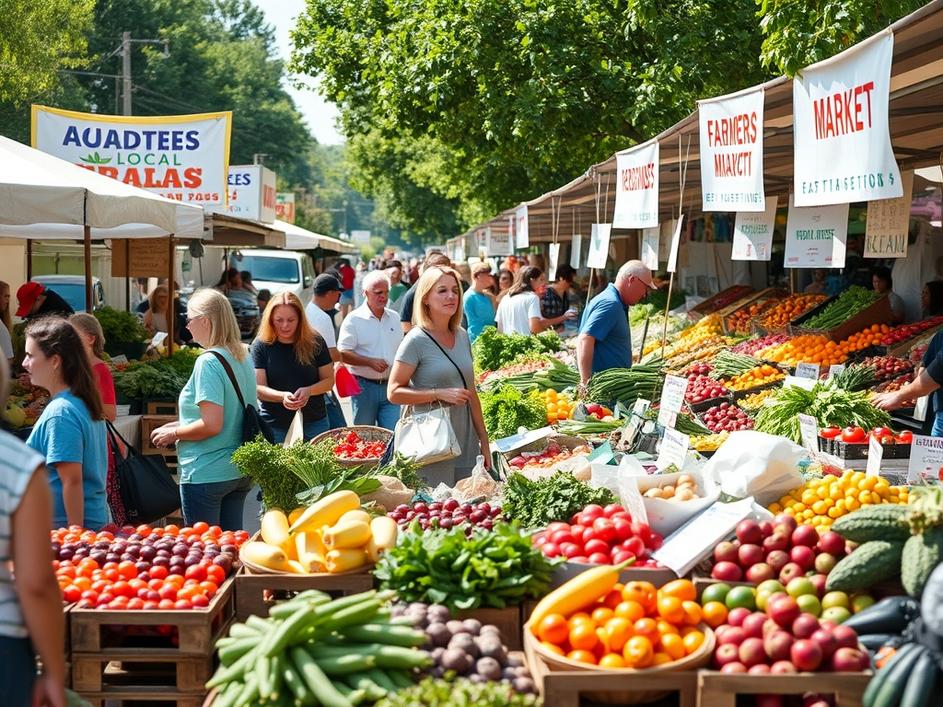
Local farming is gaining traction in communities all over the world. As people become more aware of where their food comes from, they are seeking alternatives to mass-produced products. This shift creates a vibrant community among farmers and consumers, strengthening local economies. Farmers’ markets, community-supported agriculture (CSA) programs, and urban farms are all part of this movement. These initiatives bring fresh, seasonal produce to our tables and allow us to connect with our food sources on a personal level.
The Benefits of Supporting Local Farms
Buying from local farms has several advantages. First, it usually means fresher produce. When food travels shorter distances, it retains its nutrients and flavor. You might notice that an heirloom tomato from a nearby farm tastes completely different from one that’s traveled across the country. Additionally, local farming supports the economy by keeping money within the community. When consumers buy from local farmers, more of those funds are reinvested into the community, creating jobs and supporting local businesses.
Environmental Impact
Beyond the economic benefits, local farming can have a positive effect on the environment. Shorter transportation distances lower carbon emissions. Many local farms also practice sustainable farming, which means they use fewer harmful chemicals and encourage biodiversity. These practices help to preserve the land for future generations. By supporting local farmers, consumers promote environmentally friendly practices that can lead to a healthier planet.
Building Community Connections
One of the most meaningful aspects of local farming is its ability to bring people together. Farmers’ markets often embody a sense of community. People gather to chat, share recipes, and learn more about where their food comes from. This connection fosters a relationship between consumers and producers, creating trust and understanding. Engaging with local farmers can also expose us to new ingredients and cooking techniques, enriching our culinary experiences.
Challenges Facing Local Farmers
Despite the many benefits, local farmers face significant challenges. Weather conditions, market competition from larger corporations, and limited access to resources can create barriers to success. Additionally, consumers’ preference for convenience sometimes leads them to choose mass-produced foods over local options. It’s important for communities to recognize and support local farmers by choosing their products whenever possible. By doing so, we can work together to ensure the longevity of local agriculture.
Conclusion: A Call to Action
In conclusion, supporting local farms is vital for the health of our communities, both economically and environmentally. As we become more aware of the impact of our food choices, let’s commit to seeking out local options whenever possible. Whether it’s visiting a farmers’ market on the weekend or signing up for a CSA, every little effort counts. By doing so, we not only nourish our bodies but also play a role in building a sustainable future for local farming. Together, we can make a difference.






Comments are closed