Introduction to Inflation
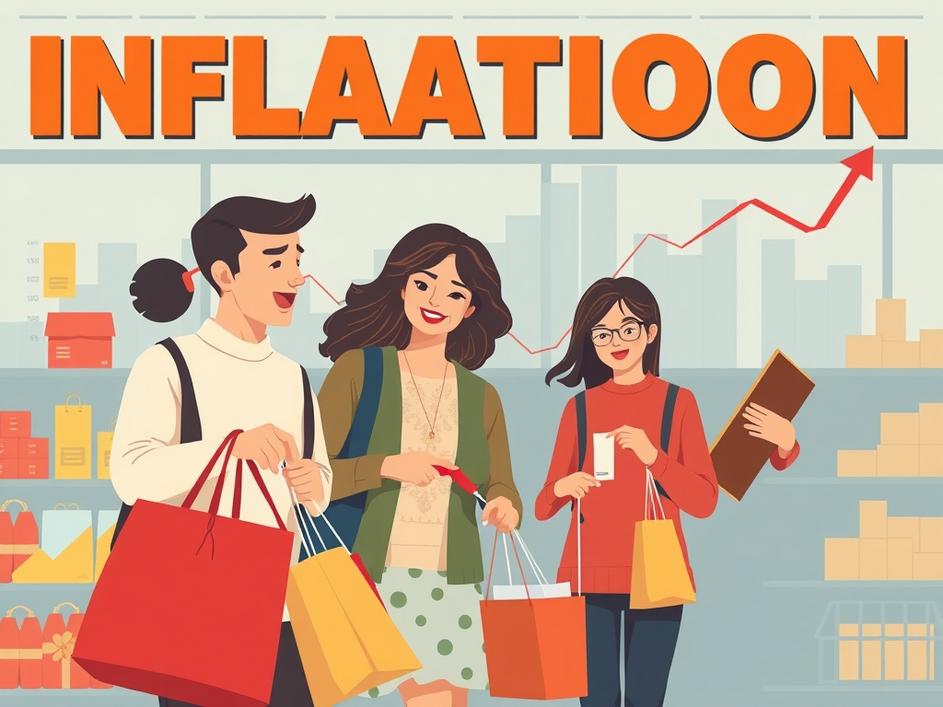
Inflation has been a hot topic in recent months. If you’ve gone grocery shopping or filled up your car recently, you’ve probably felt the pinch. Prices seem to be climbing at an alarming rate, leaving many of us wondering about the reasons behind it. Inflation, in simple terms, is when the prices of goods and services rise, leading to a decrease in purchasing power. This blog will unpack the current state of inflation and what it means for you and the broader economy.
Current Trends in Inflation
As of late 2023, inflation rates have shown some fluctuations. Initially, we saw a sharp increase due to pandemic-related supply chain issues. Now, as economies around the world start to stabilize, we’re seeing more modest rises in prices. However, some essential items, such as food and fuel, are still experiencing significant price hikes. These increases can make everyday life feel burdensome, particularly for families and individuals already living on tight budgets.
The Impact on Consumers
When inflation rises, it doesn’t just affect prices at the register. It can also influence consumer behavior. People might start to cut back on non-essential purchases, opting instead for basic needs. For businesses, this shift can lead to lower sales figures and, ultimately, could impact job security. If people are spending less, companies may need to make tough decisions, such as layoffs or reducing hours, which can create a ripple effect in the economy.
What Can Be Done?
Addressing inflation is a shared responsibility between policymakers and consumers. Governments can step in with monetary policy measures, such as adjusting interest rates. Higher interest rates may help to cool off inflation by making borrowing more expensive, which could reduce spending. However, this approach can also slow down economic growth and make loans for homes or businesses pricier. So, it’s a tightrope walk for officials seeking to balance these competing interests.
A Personal Perspective
From my viewpoint, understanding the nuances of inflation is critical for everyone. It’s not solely an economic term but a personal issue that affects our day-to-day lives. And while we can’t control inflation, we can adapt to it. Educating ourselves about budgeting, forecasting our needs, and planning for the future can help mitigate some stress. Conversations about inflation should also engage communities and encourage people to share strategies for managing their financial wellness amidst price increases.
Conclusion: Navigating the Future
Inflation is complex and can seem daunting, but awareness is the first step in navigating it. By understanding its implications and adjusting our habits, both as consumers and citizens, we can better cope with the changes. As we look to the future, staying informed will empower us to make decisions that protect our finances while contributing to a healthy economy. Ultimately, the more we discuss and understand inflation, the more equipped we’ll be to handle whatever challenges it may bring.





Comments are closed