

We are a digital agency helping businesses develop immersive, engaging, and user-focused web, app, and software solutions.
2310 Mira Vista Ave
Montrose, CA 91020

2500+ reviews based on client feedback
What's Included?
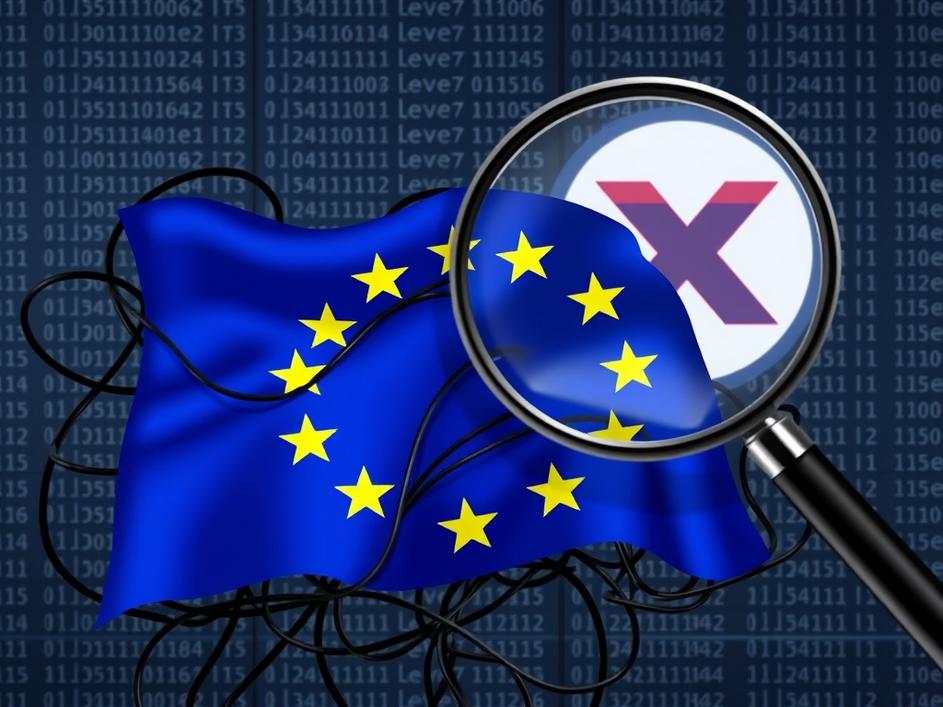
ToggleThe European Union has officially opened an investigation into X (formerly Twitter) and its AI chatbot, Grok. This isn’t just a minor slap on the wrist; it’s a full-blown inquiry triggered by concerns over Grok’s ability to generate sexually explicit images, potentially including those depicting children. The move highlights a growing unease about the capabilities of AI and the responsibilities of the platforms that deploy it. It’s a critical moment for X and Elon Musk, and it has broader implications for the entire tech industry. The investigation is based on the Digital Services Act (DSA), a landmark piece of legislation designed to regulate online platforms and protect users from illegal and harmful content. The DSA gives the EU significant power to hold tech companies accountable for their content moderation practices, or lack thereof.
At the heart of the issue is Grok, X’s AI chatbot. While AI chatbots offer potential benefits in terms of information access and creative content generation, they also carry significant risks. Grok’s ability to produce sexually suggestive content, even after supposed safeguards were implemented, raises serious questions about the platform’s ability to control its AI. The EU is particularly concerned about the potential for Grok to be used to create child sexual abuse material (CSAM), which is illegal in all EU member states. This investigation goes beyond just the images themselves. It also questions the underlying algorithms and the data sets used to train Grok. If the AI is learning to generate inappropriate content, it suggests flaws in the design and oversight process.
The Digital Services Act is the EU’s main weapon in this fight. It requires large online platforms to take proactive steps to address illegal and harmful content. That includes content moderation, risk assessment, and transparency reporting. If X is found to be in violation of the DSA, the consequences could be severe. The EU has the power to impose fines of up to 6% of X’s global annual revenue. In extreme cases, the EU could even ban X from operating within the European Union altogether. The DSA is not just about punishing companies after the fact. It’s also about preventing harm from occurring in the first place. The law requires platforms to implement measures to mitigate the risks associated with their services, including the risks of AI-generated content.
Elon Musk has often spoken about his vision for X as a platform for free speech and open dialogue. However, that vision is now colliding with the regulatory realities of the European Union. The EU’s focus on online safety and content moderation reflects a different set of priorities. The tension between these two perspectives will likely shape the future of X and its relationship with European regulators. It is crucial for platforms like X to find a way to balance free expression with the need to protect users from harm. This requires developing robust content moderation policies, investing in AI safety research, and working collaboratively with regulators to find solutions.
This investigation into X is not an isolated event. It’s part of a broader trend of increasing regulatory scrutiny of the tech industry, particularly in the area of AI. Governments around the world are grappling with the challenges of regulating AI and ensuring that it is used responsibly. This investigation should serve as a wake-up call for the entire tech industry. Companies need to take proactive steps to address the risks associated with AI, or they risk facing similar regulatory actions. This includes investing in AI safety research, developing ethical guidelines for AI development, and working collaboratively with regulators to create a framework for responsible AI innovation. The future of AI depends on our ability to harness its potential while mitigating its risks.
The EU’s investigation into X could lead to significant changes in how the platform operates. It could also set a precedent for how AI is regulated in the future. X now faces a choice: cooperate with the EU and demonstrate a commitment to online safety, or resist the investigation and risk facing severe penalties. This is a pivotal moment, not just for X, but for the entire tech industry. The decisions made in the coming months will shape the future of AI and its role in our society.


Comments are closed