

We are a digital agency helping businesses develop immersive, engaging, and user-focused web, app, and software solutions.
2310 Mira Vista Ave
Montrose, CA 91020

2500+ reviews based on client feedback
What's Included?
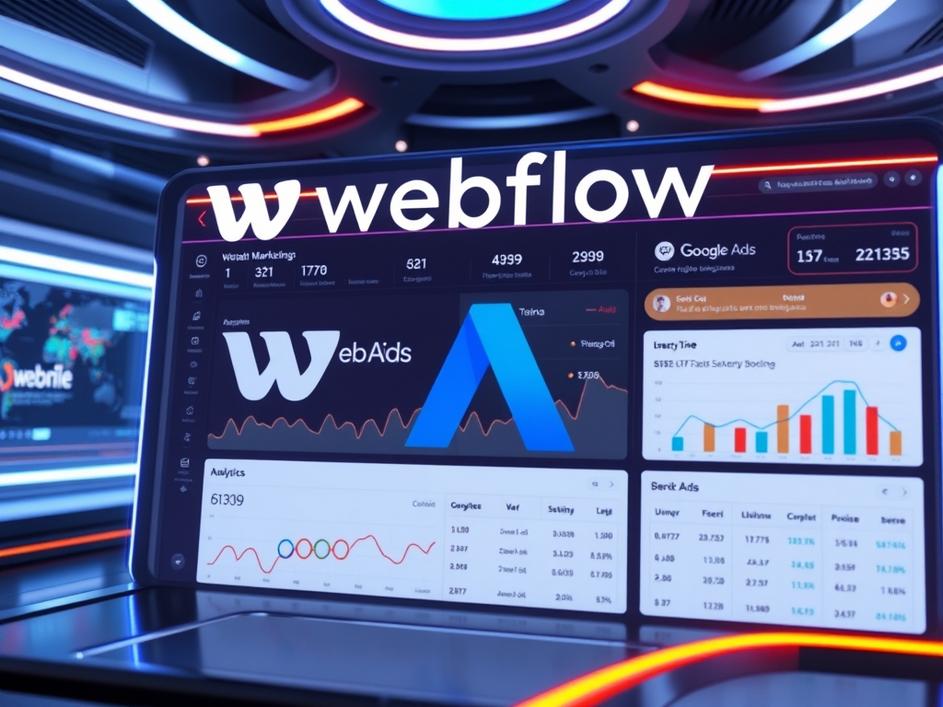
ToggleIn the ever-evolving world of digital marketing, staying ahead of the curve requires more than just creativity; it demands seamless integration and data-driven decision-making. The recent collaboration between Webflow and Google Ads marks a significant step in this direction, promising to bring advertising and digital experiences into a unified, more manageable system. This integration aims to empower marketers with faster insights, greater control, and ultimately, better campaign performance.
For those unfamiliar, Webflow is a popular web design platform that allows users to create responsive websites without needing to write code. It’s known for its flexibility and design capabilities. Google Ads, on the other hand, is the advertising platform giant, used by businesses to promote their products and services across the web.
So, what happens when these two powerhouses join forces? The integration essentially bridges the gap between website creation and advertising efforts. It allows marketers to connect their Google Ads campaigns directly to their Webflow websites, streamlining the process of tracking, analyzing, and optimizing ad performance.
One of the key benefits of this integration is the ability to gain faster insights into campaign performance. By connecting Google Ads directly to Webflow, marketers can easily track which ads are driving traffic to their websites, which landing pages are performing best, and which keywords are generating the most conversions. This data can then be used to make informed decisions about how to optimize ad campaigns for maximum impact.
Imagine, for instance, you’re running a campaign to promote a new product. With this integration, you can see in real-time how many people are clicking on your ads, how long they’re staying on your product page, and how many are actually making a purchase. This level of detail allows you to quickly identify areas for improvement and make adjustments to your campaign accordingly. You can finally answer critical questions using real data, rather than guesswork.
Another advantage of this integration is the enhanced control it provides over the user experience. By connecting Google Ads to Webflow, marketers can ensure that visitors who click on their ads are directed to relevant and engaging landing pages. This can significantly improve conversion rates and reduce bounce rates.
For example, if you’re running an ad campaign targeting a specific demographic, you can create a custom landing page in Webflow that is tailored to their interests and needs. This ensures that visitors are presented with information that is relevant to them, increasing the likelihood that they will take the desired action, whether it’s signing up for a newsletter, requesting a demo, or making a purchase.
The core idea here is about connecting systems that were previously somewhat separate. Think about how much time is spent jumping between platforms. You might analyze ad data in Google Ads, then switch over to Webflow to make changes to your landing page. This integration streamlines that process, allowing you to manage both your advertising and website experiences from a single, connected system. This means less time spent on manual tasks and more time focused on strategic decision-making.
This integration is particularly beneficial for small and medium-sized businesses (SMBs) that may not have the resources to hire dedicated marketing teams. By simplifying the process of managing ad campaigns and website experiences, this integration allows SMBs to compete more effectively with larger companies.
Freelancers and agencies that offer web design and digital marketing services can also benefit from this integration. By offering a more streamlined and integrated service, they can provide their clients with better results and a higher return on investment.
This collaboration between Webflow and Google Ads is just one example of the growing trend towards marketing integrations. As the digital landscape becomes more complex, businesses are increasingly looking for ways to connect their various marketing tools and platforms to create a more unified and efficient system.
We can expect to see more integrations like this in the future, as companies strive to provide marketers with the tools they need to succeed in an increasingly competitive environment. The focus will likely be on providing more data-driven insights, greater control over the user experience, and a more seamless workflow.
The Webflow and Google Ads integration is a welcome development for marketers seeking greater efficiency and control. By connecting these two powerful platforms, marketers can gain valuable insights, optimize their campaigns, and deliver better experiences for their customers. It represents a step forward in the evolution of digital marketing and a promising sign for the future of integrated marketing solutions.
The world of digital marketing is constantly evolving, and it’s crucial to embrace new technologies and integrations to stay competitive. The Webflow and Google Ads integration offers a powerful tool for marketers looking to streamline their workflows, gain deeper insights, and ultimately, drive better results. It’s an exciting development that has the potential to transform the way businesses approach digital marketing.


Comments are closed