

We are a digital agency helping businesses develop immersive, engaging, and user-focused web, app, and software solutions.
2310 Mira Vista Ave
Montrose, CA 91020

2500+ reviews based on client feedback
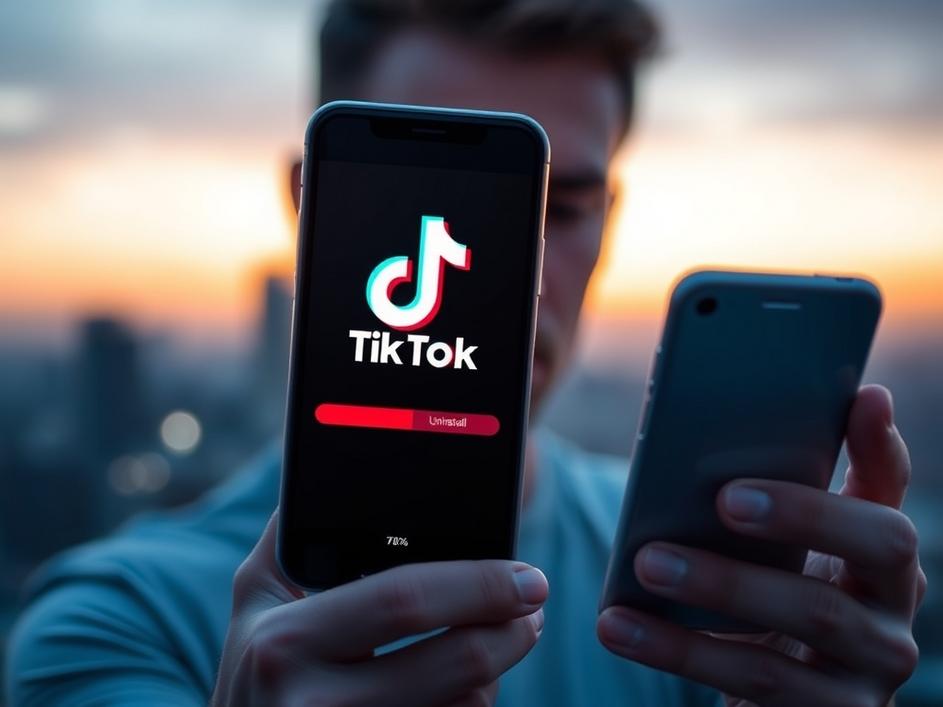
TikTok, the video-sharing app that’s taken the world by storm, is facing a bit of a storm itself. News recently broke that the app is setting up a joint venture to manage its U.S. operations. This move was supposed to ease concerns about data security and foreign influence, but it seems to be having the opposite effect, at least initially. Reports are showing a significant jump in the number of people uninstalling the app, raising questions about user trust and the future of TikTok in America.
So, what’s causing this exodus? It’s complicated. On the surface, the joint venture aimed to show that TikTok is serious about protecting user data and operating independently within the U.S. But for some users, it looks like a Band-Aid on a bigger problem. There might be a perception that the underlying issues of data privacy and potential censorship haven’t been fully addressed. The fact that a new entity is being created might suggest to some that the old concerns were legitimate. And when people are worried about their personal information, they don’t hesitate to hit the uninstall button.
The heart of the issue, of course, is data privacy. People are increasingly aware of how much information apps collect about them and how that data is used. The worries surrounding TikTok have always revolved around its parent company, ByteDance, and its ties to the Chinese government. Even with a U.S.-based joint venture, some users might still fear that their data could be accessed or shared inappropriately. This fear is fueled by ongoing discussions and debates about data security, not just with TikTok, but across the entire tech industry. Big Tech companies are now viewed with great skepticism.
But it’s not just about data. It’s also about perception. In today’s digital age, perception is reality. If people *believe* there’s a risk, they’ll act accordingly. The ongoing scrutiny of TikTok by lawmakers and the media has created a negative image that’s hard to shake. The joint venture, while intended to be a positive step, may have inadvertently reinforced the idea that there was a problem to begin with. Think of it like this: if a company has to constantly defend itself, people start to wonder what it’s defending against. It could also be an overblown reaction. A 150% increase in uninstalls might sound alarming, but it doesn’t take into account the overall number of TikTok users in the United States, which is massive.
What does this all mean for the future of TikTok in the U.S.? It’s tough to say for sure. The joint venture could eventually rebuild user trust and pave the way for a more stable future. However, the company needs to do more than just restructure its operations. It needs to be transparent about its data practices, actively engage with users’ concerns, and demonstrate a genuine commitment to protecting their privacy. This includes communicating clearly about how the joint venture will address the existing concerns about foreign influence. Misinformation spreads like wildfire, and TikTok needs to combat false or misleading information that is creating unnecessary panic.
Of course, with challenges come opportunities for competitors. Other short-form video platforms like YouTube Shorts, Instagram Reels, and Triller could capitalize on TikTok’s current struggles by emphasizing their own data privacy measures. If TikTok continues to lose users, these competing platforms could see a surge in popularity. It’s a constant battle for attention in the social media world, and user trust is a valuable currency. Any platform that can demonstrate a strong commitment to privacy and security will have a significant advantage.
Ultimately, TikTok’s response to this situation will determine its long-term success in the U.S. market. If the company can effectively address user concerns, rebuild trust, and demonstrate its commitment to data privacy, it can weather this storm. But if it fails to do so, it risks alienating a significant portion of its user base and losing ground to its competitors. The next few months will be critical in shaping the future of TikTok in America. Keep an eye on how they respond and engage with the user base.
Tiktok’s current problems are a microcosm of the broader issues facing the tech industry. Trust is eroding as users become more wary of how their data is collected and used. Companies need to prioritize transparency, security, and user control to regain that trust. The future of social media and online platforms depends on it. If users don’t trust the platforms they use, they’ll simply go elsewhere. The stakes are high, and the companies that prioritize user trust will be the ones that thrive in the long run.



Comments are closed