

We are a digital agency helping businesses develop immersive, engaging, and user-focused web, app, and software solutions.
2310 Mira Vista Ave
Montrose, CA 91020

2500+ reviews based on client feedback
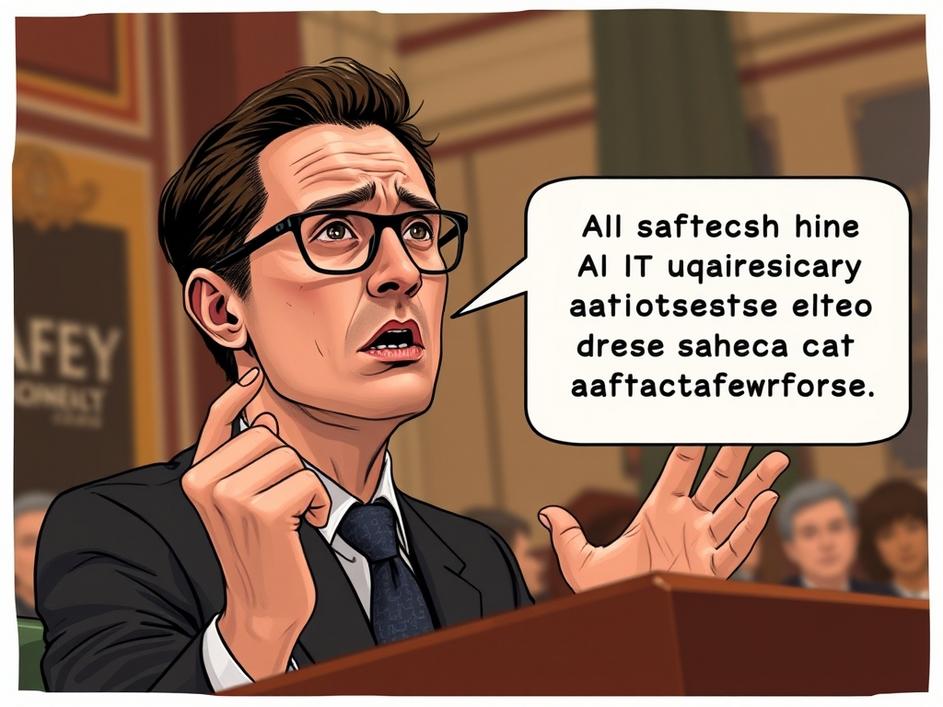
Joseph Gordon-Levitt, known for his roles in films like “Inception” and “500 Days of Summer,” has recently stepped outside the Hollywood spotlight to address a pressing issue: artificial intelligence safety. He’s urging Utah lawmakers to support a bill focused on responsible AI development and deployment. It might seem odd at first glance – a movie star weighing in on Utah legislation? But the move highlights the growing awareness and concern surrounding AI’s potential impact on society, and JGL isn’t the only one from the entertainment industry paying attention.
So, why Utah? The state has quietly been building a reputation as a tech hub, attracting companies and investment in areas like software development and data analytics. This burgeoning tech sector means Utah is potentially at the forefront of AI innovation, making it a crucial battleground for setting early precedents in AI regulation. Laws passed now could shape the future of AI development not just in Utah, but across the nation. It’s a strategic move, aiming to influence the conversation at a state level that could have ripple effects nationally.
While the specifics of the bill haven’t been spelled out in detail, the core issue revolves around ensuring AI systems are developed and used responsibly. This includes addressing concerns about bias in algorithms, protecting privacy, and preventing the misuse of AI technologies. Think about facial recognition software, for example. Without proper safeguards, it could be used to unfairly target specific communities or erode individual liberties. The bill likely aims to establish guidelines and oversight mechanisms to mitigate these risks. It’s not about stifling innovation, but about guiding it in a direction that benefits society as a whole.
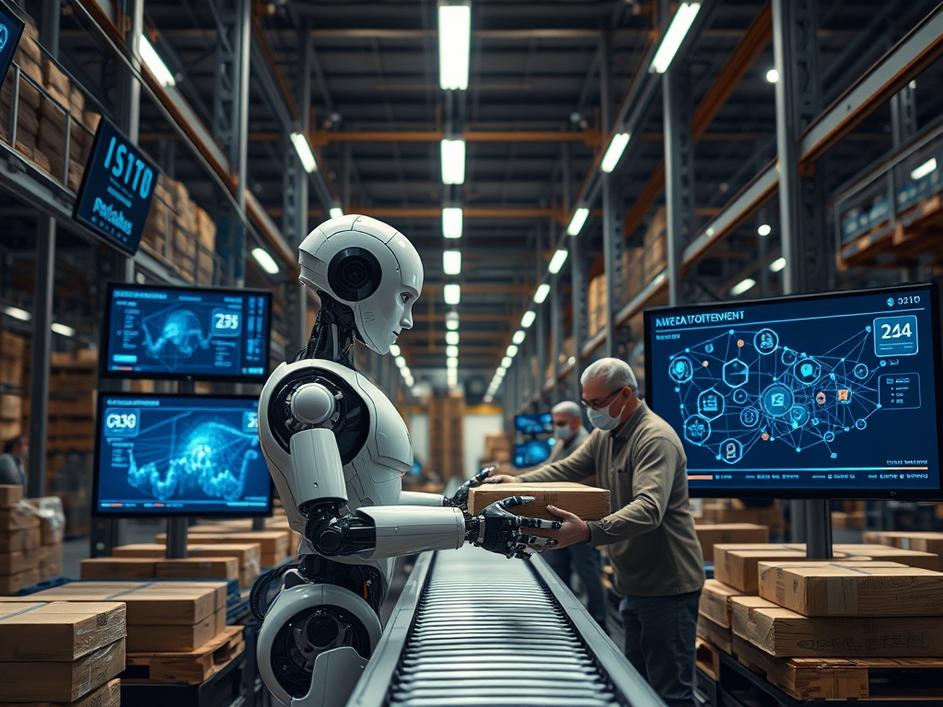
It’s easy to get caught up in the hype surrounding AI. We see promises of self-driving cars, personalized medicine, and solutions to some of the world’s most pressing problems. But it’s equally important to acknowledge the potential downsides. AI algorithms are trained on data, and if that data reflects existing biases, the AI will perpetuate and even amplify those biases. This can lead to discriminatory outcomes in areas like hiring, loan applications, and even criminal justice. There’s also the risk of job displacement as AI-powered automation becomes more widespread. And let’s not forget the potential for misuse, such as the creation of autonomous weapons or the spread of misinformation through deepfakes. These aren’t just science fiction scenarios; they’re real concerns that need to be addressed proactively.
Why does Joseph Gordon-Levitt’s involvement matter? Celebrities often have a platform and reach that ordinary citizens don’t. When they speak out on important issues, they can raise awareness and influence public opinion. This can put pressure on lawmakers to take action. JGL isn’t an AI expert, and he likely relies on advisors to inform his stance. But his endorsement of the AI safety bill can amplify the voices of experts and advocates who have been working on this issue for years. It’s a reminder that AI safety isn’t just a technical issue; it’s a societal issue that affects everyone.
The development and regulation of AI is a complex challenge that requires a multi-faceted approach. It’s not just about government regulation. It also requires collaboration between researchers, developers, policymakers, and the public. We need to have open and honest conversations about the ethical implications of AI and develop frameworks that promote responsible innovation. This includes investing in education and training programs to prepare workers for the changing job market. It also means ensuring that AI systems are transparent and accountable, so that we can understand how they work and hold them accountable for their actions.
Finding the right balance between fostering innovation and ensuring safety is crucial. Overly strict regulations could stifle innovation and prevent us from realizing the potential benefits of AI. On the other hand, a complete lack of regulation could lead to unintended consequences and harm. The goal is to create a framework that encourages responsible development while allowing for experimentation and progress. This requires a flexible and adaptable approach that can evolve as AI technology continues to advance.
The decisions we make about AI today will have a profound impact on the future. AI has the potential to transform our world in countless ways, but it also carries significant risks. It’s up to us to ensure that AI is used for good and that its benefits are shared by all. Joseph Gordon-Levitt’s involvement in the Utah AI safety bill is a small but significant step in that direction. It’s a reminder that everyone has a role to play in shaping the future of AI, from Hollywood stars to everyday citizens. The future is not pre-written, and with effort we can influence it in the right direction.


Comments are closed