

We are a digital agency helping businesses develop immersive, engaging, and user-focused web, app, and software solutions.
2310 Mira Vista Ave
Montrose, CA 91020

2500+ reviews based on client feedback
What's Included?
ToggleFor years, we’ve heard the warnings: Artificial intelligence is coming for our jobs. From factory workers to customer service representatives, no one is safe, or so the story goes. But is this panic justified? India’s recent Economic Survey throws some cold water on the idea of an imminent AI-driven jobpocalypse, particularly for India. The survey suggests that India’s late entry into the AI race might actually be an advantage, allowing the country to learn from the mistakes and experiences of others.
The Economic Survey points out that because India wasn’t at the forefront of the initial AI boom, it has the opportunity to strategically adopt and adapt AI technologies to its specific needs and context. This means focusing on areas where AI can augment human capabilities rather than outright replace them. Think of it as using AI to make existing jobs easier and more efficient, rather than eliminating them altogether. This approach could minimize job displacement and maximize the benefits of AI for the Indian economy.
It’s easy to get caught up in the hype surrounding AI, but the reality is often more complex. AI is not a monolithic force that will sweep through every industry in the same way. Its impact will vary depending on the sector, the specific tasks involved, and the existing skillsets of the workforce. The Economic Survey likely acknowledges this nuance, suggesting that a more measured and thoughtful approach to AI adoption is needed. This involves careful planning, investment in education and training, and a focus on creating new types of jobs that complement AI technologies.
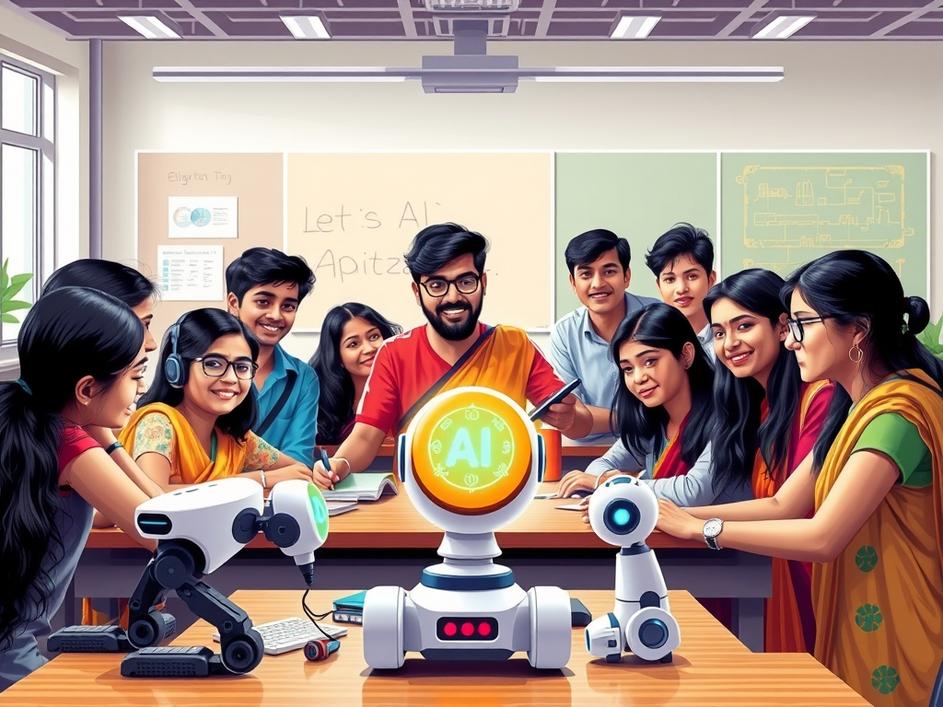
A key takeaway from the Economic Survey’s perspective is the importance of investing in skills and education. As AI becomes more prevalent, the demand for certain skills will decline, while the demand for others will increase. It’s crucial for individuals and the government to anticipate these shifts and prepare the workforce accordingly. This means providing training and education in areas such as data science, AI ethics, and human-computer interaction. It also means fostering creativity, critical thinking, and problem-solving skills, which are essential for navigating the changing job market.
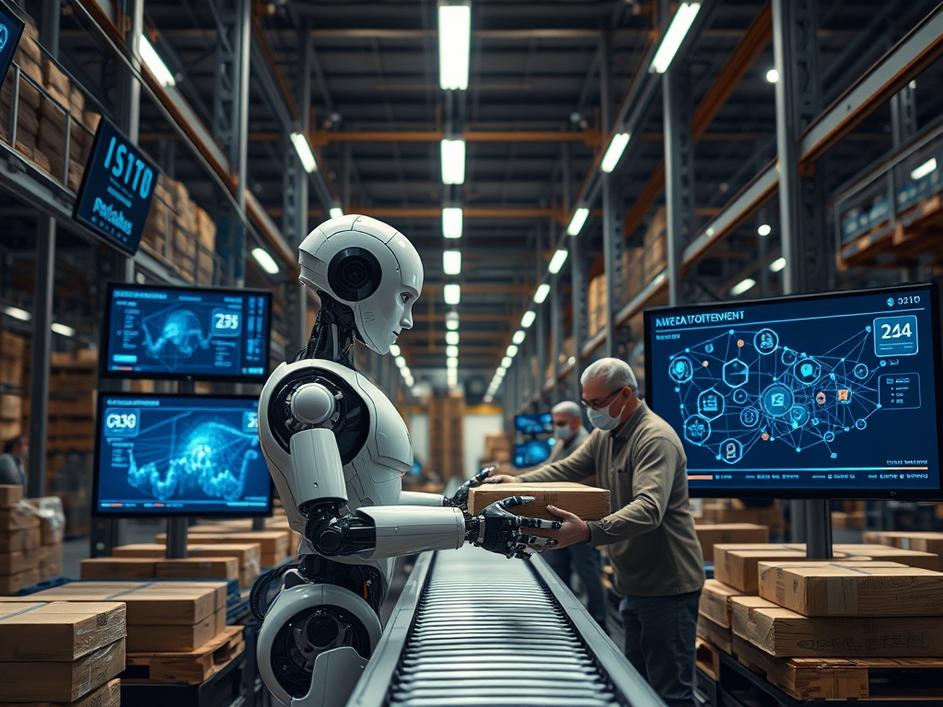
The most successful implementations of AI will likely be those that focus on augmenting human capabilities, rather than simply automating tasks. This means using AI to assist workers, freeing them up to focus on more complex, creative, and strategic activities. For example, AI could be used to automate routine administrative tasks, allowing doctors and nurses to spend more time with patients. Or it could be used to analyze large datasets, helping scientists and researchers make new discoveries. By focusing on augmentation, we can harness the power of AI to improve productivity, efficiency, and innovation, without necessarily leading to mass job losses.
While the Economic Survey suggests that the panic over AI-driven job losses may be overblown, it’s important to acknowledge that there will still be challenges. Some jobs will inevitably be displaced, and some workers will need to adapt to new roles and responsibilities. It’s the government’s and businesses’ responsibility to provide support and resources to help these workers transition to new opportunities. This could include providing retraining programs, unemployment benefits, and job placement services. It’s also important to address the ethical implications of AI, such as bias and discrimination, to ensure that AI is used in a fair and equitable way.
The Economic Survey’s perspective offers a refreshing counterpoint to the often-alarmist rhetoric surrounding AI. By emphasizing India’s unique position and the importance of skills and education, the survey provides a roadmap for navigating the AI revolution in a way that benefits both the economy and the workforce. It shows that by taking a measured, thoughtful, and proactive approach, we can harness the power of AI to create a more prosperous and equitable future for all.
Ultimately, the key to navigating the AI revolution is to embrace change and build resilience. The job market will continue to evolve, and workers will need to be adaptable and willing to learn new skills. By focusing on continuous learning, creativity, and problem-solving, individuals can position themselves for success in the age of AI. And by working together, governments, businesses, and individuals can create a future where AI is a force for good, creating new opportunities and improving the lives of all.


Comments are closed