

We are a digital agency helping businesses develop immersive, engaging, and user-focused web, app, and software solutions.
2310 Mira Vista Ave
Montrose, CA 91020

2500+ reviews based on client feedback
What's Included?
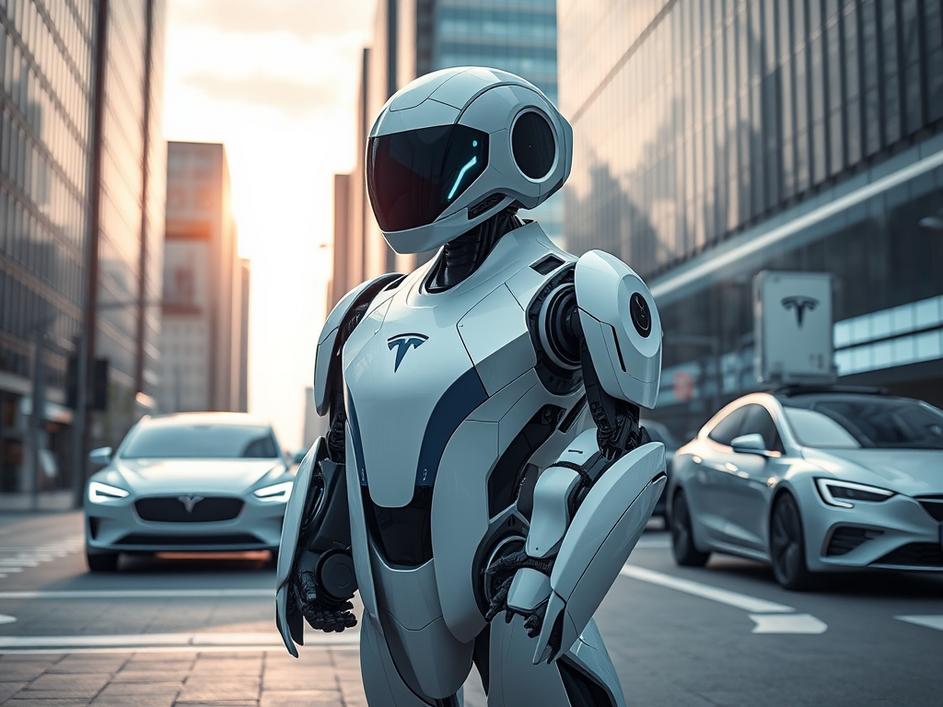
ToggleTesla is known for its electric cars, but it seems like the company has its sights set on something bigger. According to recent statements from CEO Elon Musk, Tesla is moving away from simply being a car manufacturer and heading toward a future focused on autonomous driving technology and robotics. This could be a game-changer, and signals a potentially significant shift in the company’s priorities.
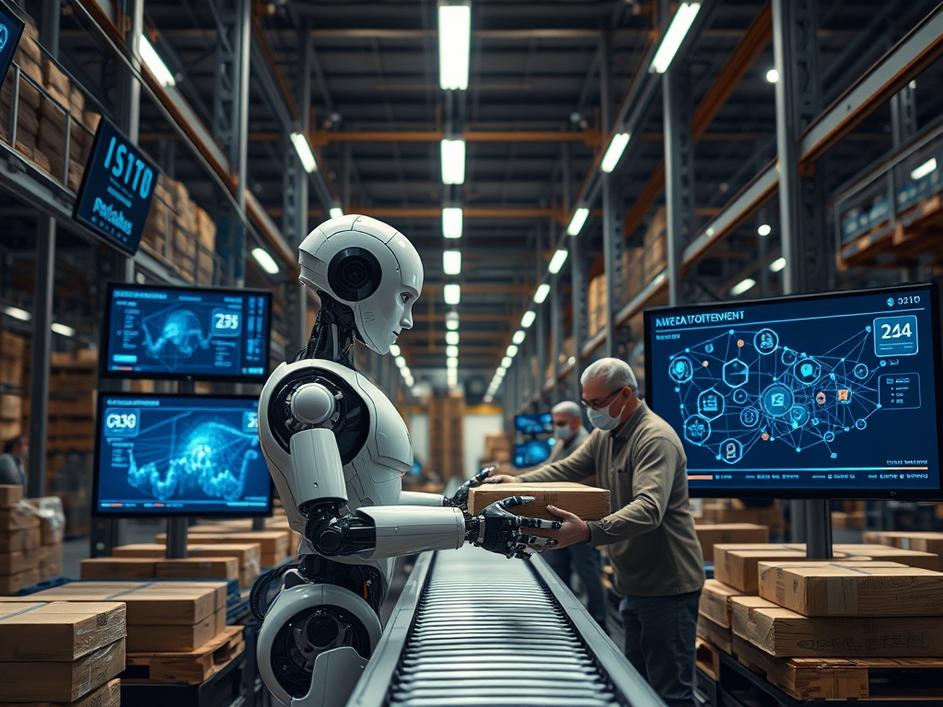
So, what does this “embodied AI” future actually look like? It sounds like Tesla envisions a world where its technology goes beyond just driving cars. Think robots doing everyday tasks, AI systems managing complex processes, and perhaps even a whole new generation of intelligent machines. This isn’t just about self-driving cars anymore; it’s about creating intelligent, adaptable systems that can interact with the world in meaningful ways. The move suggests that Tesla wants to be seen not just as a car company, but as an AI and robotics company, with automotive simply being one application of their technologies.
Why is Tesla making this move? There are a few likely reasons. First, the market for electric vehicles is becoming increasingly crowded. While Tesla was once the undisputed leader, now traditional automakers and new startups are vying for a piece of the pie. Focusing on autonomous driving and robotics allows Tesla to differentiate itself and potentially create new revenue streams. Second, full self-driving capability has proven to be a tougher nut to crack than initially anticipated. By expanding its focus to robotics, Tesla can potentially apply its AI expertise to a wider range of problems, increasing the chances of a breakthrough. Finally, Elon Musk has always had grand ambitions, and this shift aligns with his vision of a future where AI and robots play a central role.
Of course, this shift in focus won’t be without its challenges. Developing truly autonomous driving systems and versatile robots is incredibly complex and requires significant investment in research and development. Tesla will also face competition from other companies already established in the AI and robotics fields. Furthermore, there are ethical considerations surrounding the use of autonomous systems, and Tesla will need to address these concerns to gain public trust. One specific hurdle is regulatory approval. Self-driving technology is still heavily regulated, and Tesla will need to work with government agencies to ensure its products meet safety standards. Public perception is also important; people need to feel safe and comfortable around robots and autonomous vehicles before they will embrace them.
If Tesla is successful in its shift towards autonomy and robotics, the implications could be huge. Imagine a world where transportation is safer and more efficient, where robots handle dangerous or repetitive tasks, and where AI systems help us solve some of the world’s most pressing problems. Tesla’s move could accelerate the development and adoption of these technologies, leading to a more automated and intelligent future. It is important to remember that the future is not set in stone. Tesla’s success will depend on overcoming technological hurdles, addressing ethical concerns, and winning over the public. The road ahead is likely to be bumpy, but the potential rewards are enormous. This repositioning may also invite more scrutiny of the company’s leadership and governance.
Investors seem cautiously optimistic about Tesla’s new direction. While the stock price has experienced some volatility in response to the announcement, many analysts believe that the company’s focus on autonomy and robotics could unlock significant long-term value. However, there are also concerns about the company’s ability to execute its ambitious plans. It remains to be seen whether Tesla can successfully transition from a car company to an AI and robotics powerhouse. Tesla’s history is filled with both successes and setbacks, so investors should be prepared for a potentially wild ride.
This shift echoes Elon Musk’s long-held vision for Tesla. He’s consistently talked about the potential for AI and robotics to transform society. This isn’t just a sudden change; it’s a continuation, and perhaps an acceleration, of that original plan. This is more than just a change in business strategy; it’s a reflection of Musk’s broader ambitions for the future of technology and humanity. He wants to create a world where technology solves some of the biggest challenges facing society, and this shift towards autonomy and robotics is a key step in that direction.
Tesla’s move towards autonomy and robotics is a bold and ambitious gamble. While there are significant challenges ahead, the potential rewards are immense. Whether Tesla can successfully navigate this transition remains to be seen, but one thing is clear: the company is no longer content to simply be a car manufacturer. It’s setting its sights on a much bigger prize: shaping the future of AI and robotics. It will be fascinating to watch how this story unfolds in the years to come and how it will impact technology, the economy, and society as a whole.

Comments are closed