

We are a digital agency helping businesses develop immersive, engaging, and user-focused web, app, and software solutions.
2310 Mira Vista Ave
Montrose, CA 91020

2500+ reviews based on client feedback
What's Included?
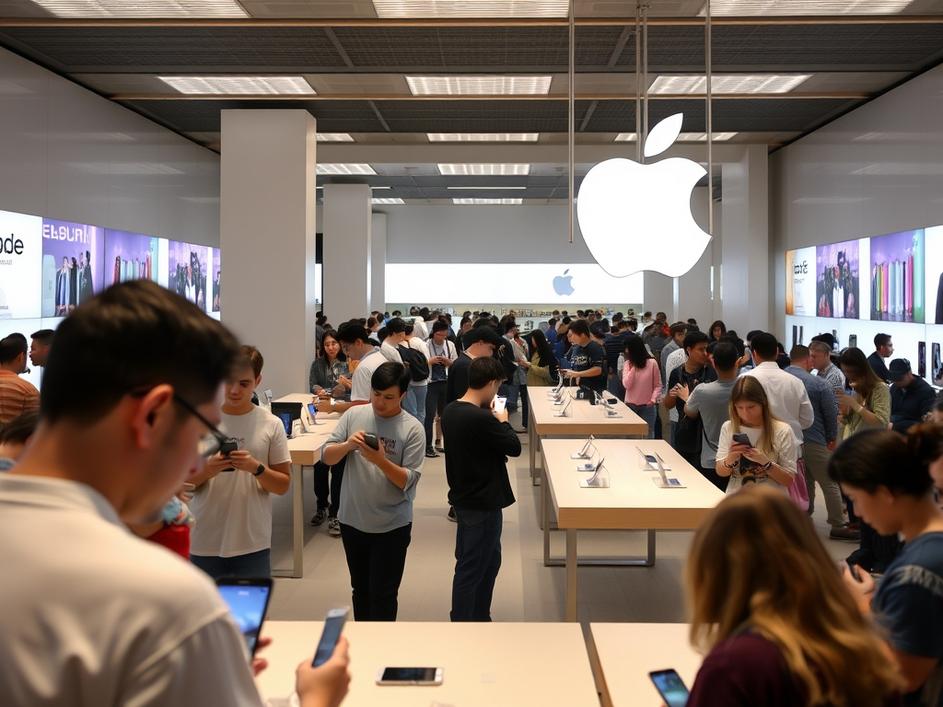
ToggleApple has done it again. The tech giant announced its Q1 earnings, and they’ve blown past expectations, largely fueled by – you guessed it – record-breaking iPhone sales. While the numbers themselves are impressive, it’s important to look deeper and consider what this continued success really means for Apple, its competitors, and the tech landscape as a whole. It’s not just about selling a lot of phones; it’s about the ecosystem Apple has built and how effectively they continue to monetize it. The question now is not whether Apple can maintain this momentum, but for how long and against what headwinds.
The iPhone’s continued success isn’t just about having a good product; it’s about having a great brand, a loyal customer base, and a marketing machine that consistently delivers. Apple has managed to cultivate an image of prestige and innovation, and consumers are willing to pay a premium to be a part of that. Of course, the user experience is another key factor. The tight integration of hardware and software, combined with a relatively simple and intuitive interface, makes the iPhone appealing to a broad range of users, from tech novices to seasoned professionals. The competition is fierce, with Android phones constantly pushing the boundaries of technology. Yet, Apple manages to maintain its position.
While the iPhone remains the star of the show, Apple’s success is increasingly driven by its broader ecosystem. Services like Apple Music, iCloud, and the App Store are generating significant revenue, and the company is constantly expanding into new areas, such as wearables and home automation. This diversification is crucial for long-term growth, as it reduces Apple’s dependence on any single product category. Furthermore, the interconnectedness of Apple’s devices and services creates a “sticky” ecosystem, making it more difficult for users to switch to competing platforms. The Apple Watch, for instance, is a compelling product on its own, but it becomes even more valuable when paired with an iPhone and other Apple services.
Apple’s dominance isn’t going unchallenged. Samsung, Google, and other tech giants are constantly innovating and releasing new products aimed at taking market share. Android phones, in particular, offer a wide range of features and price points, appealing to consumers who are looking for alternatives to the iPhone. Furthermore, the rise of emerging markets presents new opportunities for competitors to gain ground. While Apple has made inroads into these markets, it faces stiff competition from local brands that offer more affordable devices. The battle for smartphone supremacy is far from over, and Apple will need to continue to innovate and adapt to stay ahead.
Apple faces several challenges in the coming years. Increased regulatory scrutiny, particularly regarding antitrust concerns and data privacy, could impact its business model. Supply chain disruptions and global economic uncertainty could also pose risks. However, Apple also has significant opportunities for growth. The company is investing heavily in new technologies, such as augmented reality and artificial intelligence, which could unlock new markets and revenue streams. Furthermore, Apple’s strong brand and loyal customer base give it a significant advantage over its competitors. The company’s ability to navigate these challenges and capitalize on these opportunities will determine its success in the long run.
Apple’s continued success has broader implications for the tech industry. It reinforces the importance of brand building, user experience, and ecosystem development. It also highlights the growing concentration of power in the hands of a few large tech companies. As Apple continues to expand its reach, it will face increased scrutiny and responsibility. The company’s decisions will have a significant impact on the lives of billions of people around the world, and it will need to act in a way that is both profitable and ethical. It is a complex situation, with the future of technology potentially being shaped in the present.
Ultimately, Apple’s success is a testament to its ability to consistently innovate and deliver products that consumers love. The company has a knack for identifying emerging trends and transforming them into mainstream technologies. But beyond the technological innovations, Apple has mastered the art of creating desire. Its products are not just functional; they are aspirational. As Apple looks to the future, it will need to maintain this balance between innovation and desire. It will also need to address the ethical and societal implications of its technologies. If it can do that, it will be well-positioned to continue its reign as one of the world’s most valuable companies. The future looks bright, with new technologies always on the horizon.
Apple’s Q1 earnings are undoubtedly impressive, but they represent more than just numbers on a spreadsheet. They reflect a deep understanding of consumer behavior, a commitment to innovation, and a relentless pursuit of excellence. While challenges lie ahead, Apple has proven time and again its ability to adapt and thrive. The company’s future remains uncertain, but one thing is clear: Apple will continue to play a major role in shaping the future of technology.


Comments are closed