

We are a digital agency helping businesses develop immersive, engaging, and user-focused web, app, and software solutions.
2310 Mira Vista Ave
Montrose, CA 91020

2500+ reviews based on client feedback
What's Included?
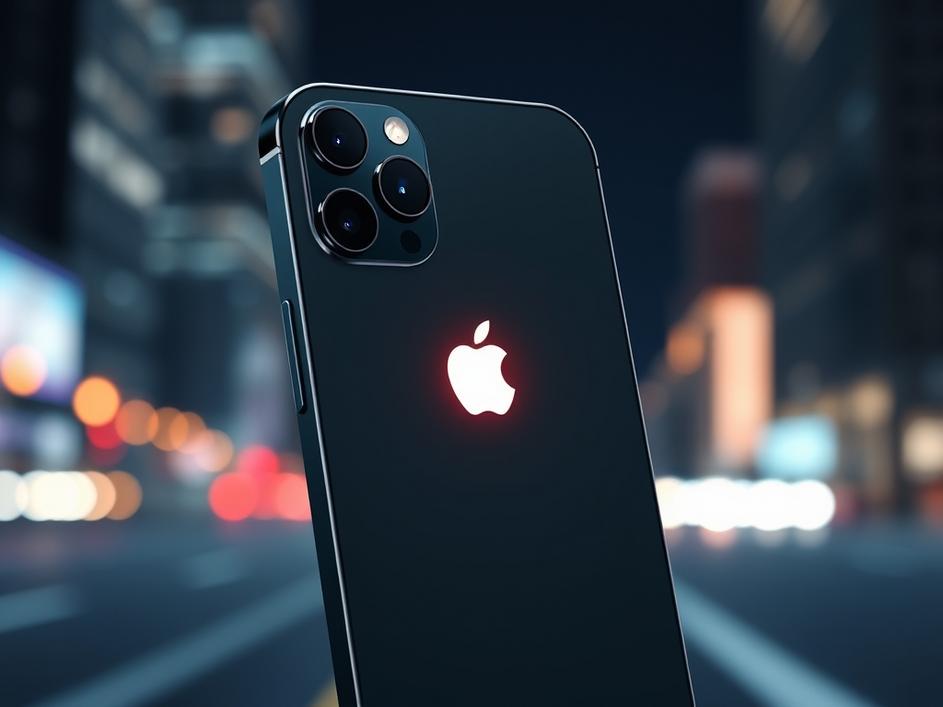
ToggleIt looks like Apple is planning a significant shift in its iPhone strategy. According to recent reports, the tech giant intends to prioritize its premium iPhone models starting in 2026. This means we might see fewer standard or budget-friendly versions and more focus on high-end features and cutting-edge technology packed into the Pro and Pro Max models. This is a pretty big deal, and it could change how we all think about buying iPhones in the future.
So, why the sudden shift towards premium? Well, the most likely reason is profit. Apple has consistently shown that people are willing to pay top dollar for the best technology. By focusing on high-end models, they can increase their profit margins. Think about it: developing and manufacturing a single high-end device with all the bells and whistles is likely more profitable than producing several lower-cost models with fewer features. Also, this strategy helps solidify Apple’s image as a luxury brand. They aren’t just selling phones; they’re selling a lifestyle and a status symbol. And let’s be honest, it’s working.
This change in strategy has some interesting implications for consumers. On one hand, if you’re someone who always wants the latest and greatest technology, this is good news for you. We can expect Apple to pack even more innovations into their premium iPhones, pushing the boundaries of what a smartphone can do. Think better cameras, faster processors, more advanced displays, and maybe even some features we haven’t even imagined yet. On the other hand, if you’re someone who’s looking for a more affordable iPhone, your options might become more limited. The standard iPhone might not get as many significant upgrades, or it might even disappear altogether. This could force some consumers to either pay more for a premium model or switch to a different brand.
Apple’s move will undoubtedly put pressure on its competitors. Other smartphone manufacturers will need to decide whether to follow suit and focus on high-end devices or double down on affordability to capture the budget-conscious market. We might see Samsung, Google, and other companies releasing more premium devices with similar features to the iPhone Pro, leading to even more intense competition in the high-end market. It could also create an opportunity for smaller brands to carve out a niche by offering affordable, yet capable, smartphones that cater to consumers who are unwilling to pay a premium for the latest technology.
In the long run, Apple’s decision to prioritize premium iPhones could reshape the entire smartphone industry. It could lead to a more polarized market, with a clear divide between high-end and budget-friendly devices. We might see fewer mid-range options, as companies focus on either extreme of the spectrum. This could also accelerate the development of new technologies, as companies compete to offer the most innovative and desirable features in their premium devices. However, it also raises concerns about accessibility. If smartphones become increasingly expensive, it could create a digital divide, where only those with the means can afford to access the latest technology and the opportunities it provides. Furthermore, repairability and longevity become increasingly important as purchase prices increase, and should be a part of any consumer’s purchasing considerations.
Only time will tell if Apple’s strategy will pay off. Focusing on premium iPhones could alienate some customers who are looking for more affordable options. However, it could also solidify Apple’s position as a leader in innovation and luxury, attracting even more affluent customers who are willing to pay for the best. Ultimately, the success of this strategy will depend on Apple’s ability to continue delivering cutting-edge technology and a seamless user experience that justifies the premium price tag. And whether consumers will continue to open their wallets for it.

Comments are closed