

We are a digital agency helping businesses develop immersive, engaging, and user-focused web, app, and software solutions.
2310 Mira Vista Ave
Montrose, CA 91020

2500+ reviews based on client feedback
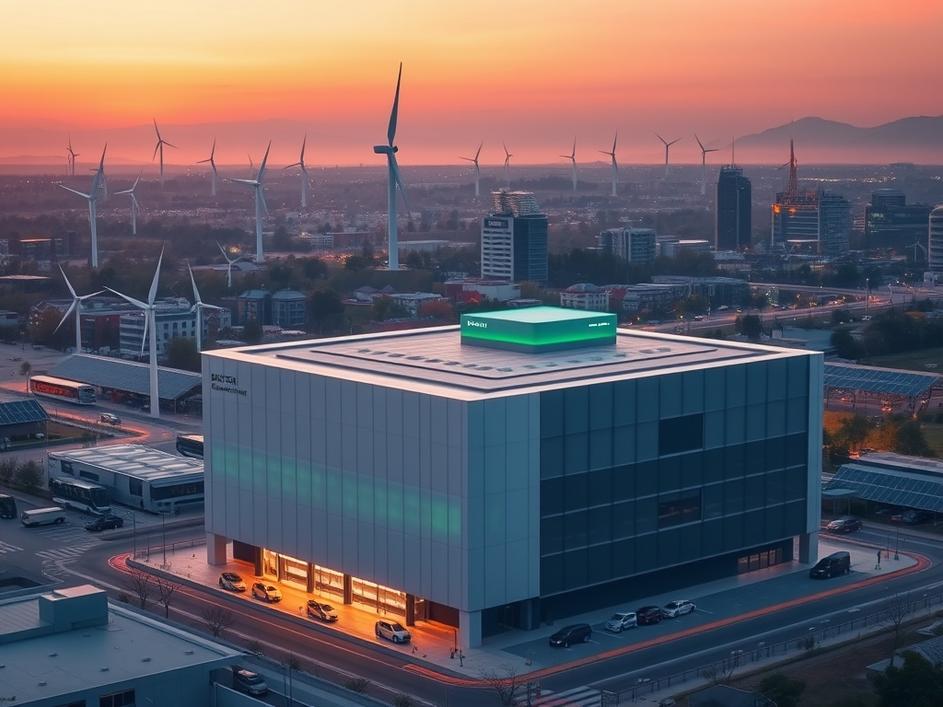
Bulgaria is taking a significant step towards modernizing its energy infrastructure. A new 10MW/33.86MWh battery energy storage project has officially come online, promising increased grid stability and a greener energy future. This project, supported by SINEXCEL, marks a notable expansion of the company’s presence in the European energy market. But what does this really mean for Bulgaria and the wider region?
Energy storage is becoming increasingly crucial as countries transition to renewable energy sources like solar and wind. These sources are intermittent; they don’t always produce energy when it’s needed. Battery storage systems act like giant batteries, storing excess energy generated during peak production times and releasing it when demand is high. This helps to smooth out the fluctuations in energy supply and demand, ensuring a more reliable and stable grid. Think of it as a buffer, preventing blackouts and optimizing the use of renewable energy.
SINEXCEL’s involvement highlights the growing importance of international collaboration in the energy sector. Their support for this project in Bulgaria signifies a commitment to advancing energy storage technologies globally. While the press release emphasizes SINEXCEL’s contribution, it’s important to consider the broader ecosystem of companies and organizations that likely contributed to making this project a reality. From engineering firms to construction crews, a wide range of expertise is required to bring such a project to fruition. SINEXCEL provided the technology to make this energy storage project a success.
The most immediate impact of this project will be felt in Bulgaria’s grid flexibility. With the ability to store and release energy as needed, the grid can better handle fluctuations in demand and supply. This is particularly important as Bulgaria continues to integrate more renewable energy sources into its energy mix. A more flexible grid translates to fewer blackouts, more efficient energy use, and a greater ability to support the growing demand for electricity. Furthermore, it can potentially lower energy costs for consumers by optimizing energy distribution and reducing reliance on expensive peak-time power generation.
Beyond grid stability, this project contributes to Bulgaria’s broader goals of energy independence. By increasing its capacity to store and utilize renewable energy, Bulgaria reduces its reliance on imported fossil fuels. This not only strengthens the country’s energy security but also aligns with global efforts to combat climate change. As more countries invest in energy storage solutions, the world moves closer to a future powered by clean, sustainable energy sources.
This project also has implications for the wider European energy landscape. As countries across the continent strive to meet ambitious climate goals, energy storage will play a vital role in enabling the transition to renewable energy. Bulgaria’s investment in this technology serves as an example for other countries in the region, demonstrating the feasibility and benefits of energy storage. The project’s success could encourage further investment in similar projects, accelerating the deployment of renewable energy across Europe.
Beyond the environmental and energy benefits, projects like this also create economic opportunities. The construction, operation, and maintenance of energy storage systems require a skilled workforce, leading to job creation in the local community. Furthermore, the development of a strong energy storage sector can attract further investment and innovation, driving economic growth. This project could serve as a catalyst for the development of a thriving energy storage industry in Bulgaria.
This Bulgarian project is a microcosm of a larger trend: the increasing adoption of energy storage technologies worldwide. As battery technology continues to improve and costs decline, energy storage will become even more prevalent, transforming the way we generate, distribute, and consume energy. The future of energy is undoubtedly intertwined with the advancement of energy storage, and Bulgaria is positioning itself to be a part of that future.
The deployment of this 10MW/33.86MWh battery energy storage project in Bulgaria represents a significant step forward for the country’s energy future. It enhances grid stability, promotes the integration of renewable energy, and contributes to energy independence. This project not only benefits Bulgaria but also serves as a positive example for other countries in Europe and beyond. As the world transitions to a cleaner, more sustainable energy system, energy storage will continue to play a crucial role, and Bulgaria is now better equipped to meet the challenges and opportunities that lie ahead. This is not just about batteries; it’s about building a more resilient and sustainable future for all.


Comments are closed