

We are a digital agency helping businesses develop immersive, engaging, and user-focused web, app, and software solutions.
2310 Mira Vista Ave
Montrose, CA 91020

2500+ reviews based on client feedback

What's Included?
ToggleApple, a company synonymous with innovation and premium products, is facing a tricky situation as we head further into 2026. The increasing demand for AI is causing a worldwide shortage of memory chips, impacting everything from smartphones to servers. This shortage presents a double whammy for Apple: it’s making it harder to get the necessary components for iPhones, and it’s putting pressure on prices. And with a discerning customer base used to paying a premium, Apple needs to carefully balance cost and consumer expectations. The result could affect not only Apple’s bottom line but also the broader tech landscape.
The rise of artificial intelligence is remarkable, but the AI revolution relies heavily on memory chips. AI algorithms require vast amounts of data for training and operation, and memory chips are essential for storing and processing that data. As AI models become more complex and prevalent, the demand for these chips continues to surge. This is creating a ripple effect throughout the electronics industry, with companies like Apple feeling the pinch. It’s not just about having enough chips; it’s about securing the right kind of memory chips, which often have specific performance requirements for AI applications. The question becomes how can businesses obtain components when AI applications are so ubiquitous?
Apple has always positioned its iPhones as premium devices, justifying higher prices with cutting-edge technology, sleek design, and a strong brand. However, consumers are becoming increasingly price-sensitive, and even Apple isn’t immune to this trend. If the cost of memory chips continues to rise, Apple may have to make some tough decisions: either absorb the higher costs and risk lower profit margins, or pass those costs on to consumers through higher iPhone prices. The latter option could alienate some customers, particularly in markets where price competition is fierce. Therefore, Apple needs to decide what is a reasonable price increase while still maintaining the Apple ecosystem.
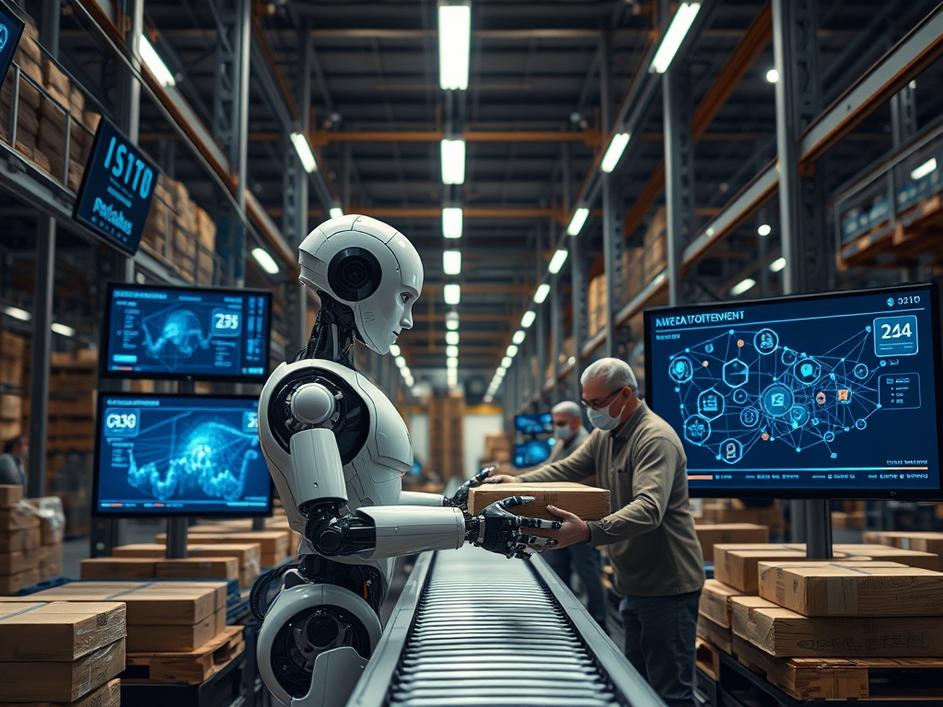
The global memory chip shortage highlights the fragility of modern supply chains. Many tech companies rely on a complex network of suppliers and manufacturers scattered across the globe, and disruptions in one area can quickly cascade throughout the entire system. Apple is actively working to diversify its supply chain and secure long-term contracts with key suppliers, but these efforts take time and aren’t always enough to mitigate the immediate impact of shortages. Moreover, geopolitical factors and trade tensions can further complicate the situation, making it even more challenging for Apple to navigate the supply chain maze. As a result, businesses may need to develop their own internal manufacturing capabilities.
Apple’s challenges with iPhone pricing and supply are not unique; they reflect broader trends affecting the entire tech industry. As AI continues to advance, the demand for memory chips will likely remain high, putting pressure on all companies that rely on these components. This could lead to higher prices for a wide range of electronic devices, from smartphones and laptops to servers and data centers. It also creates opportunities for companies that can innovate in memory chip technology or find alternative solutions to reduce their reliance on these components. And this in turn can create investment opportunities for new and innovative companies.
Apple has options. They could invest heavily in securing dedicated chip manufacturing capacity, even if it means vertical integration, which Apple has traditionally avoided. They could also explore alternative memory technologies or optimize their software to be less memory-intensive. They can negotiate long-term contracts and strategic partnerships with key suppliers to secure favorable pricing and supply commitments. Moreover, they can focus on innovative features and services that justify a premium price, even if the underlying hardware costs are higher. But doing nothing is not an option, and Apple needs to adjust to the rapidly changing technology landscape.
Ultimately, Apple’s ability to weather the current storm will depend on its capacity for innovation. By introducing new features, improving performance, and enhancing the user experience, Apple can continue to differentiate its iPhones from the competition and justify its premium pricing. This requires ongoing investment in research and development, as well as a deep understanding of consumer needs and preferences. Apple must leverage its strong brand and loyal customer base to navigate the challenges ahead and maintain its position as a leader in the tech industry. The long-term solution is to be better and faster than the competition, and that always requires innovation.
The memory chip shortage and its impact on Apple highlight the interconnectedness and complexity of the modern tech world. As AI becomes increasingly integrated into our lives, the demand for memory chips will only continue to grow, creating both challenges and opportunities for companies across the industry. Apple’s experience serves as a reminder that even the most successful companies must adapt to changing market conditions and embrace innovation to remain competitive. The next few years will be critical as the industry navigates these challenges and shapes the future of technology.


Comments are closed