

We are a digital agency helping businesses develop immersive, engaging, and user-focused web, app, and software solutions.
2310 Mira Vista Ave
Montrose, CA 91020

2500+ reviews based on client feedback
What's Included?
ToggleWe all know the garden hose. It’s been a backyard staple for generations, reliably delivering water to our thirsty plants and dusty cars. But in a world of smart homes and connected devices, even the humble hose isn’t immune to innovation. I’ve always thought there’s not much you can do to improve a garden hose, but I might be wrong.
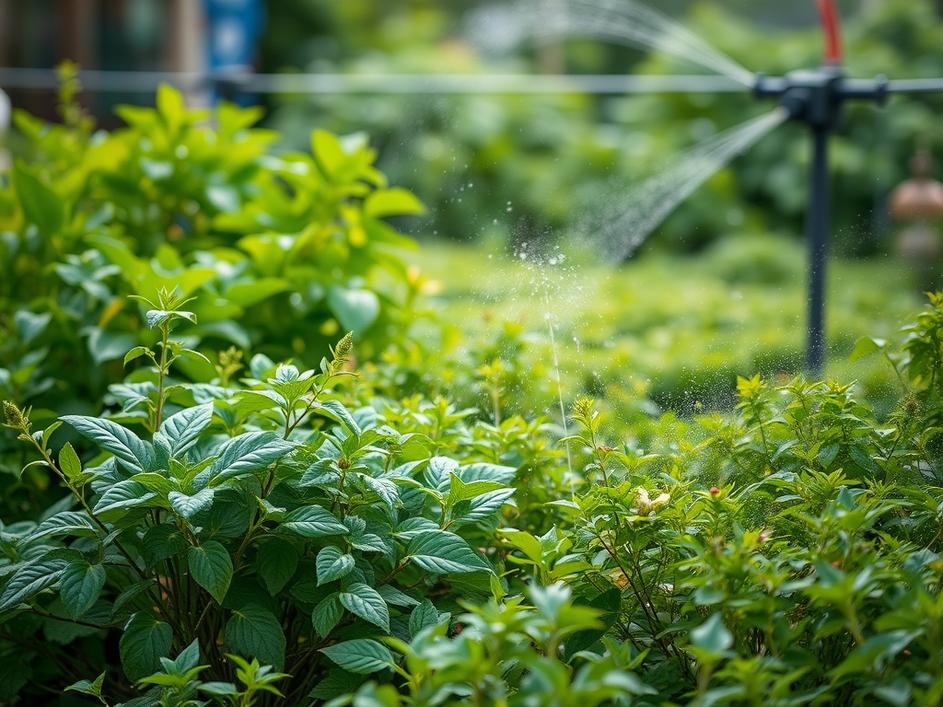
So, what does a “smart” garden hose look like? Well, it’s not just the hose itself, but rather the systems surrounding it. Think smart sprinklers that connect to weather data, adjusting watering schedules based on rainfall and temperature. Imagine sensors buried in your garden beds, relaying moisture levels directly to your smartphone. The idea is to eliminate guesswork and prevent both overwatering and underwatering, which can be tough to balance.
Water conservation is a big deal, especially in drought-prone areas. Smart watering systems promise to help us use water more efficiently by delivering only what’s needed, when it’s needed. No more wasting water on days when it’s already raining, and no more forgetting to water during a heatwave. The claim is that these systems can save a significant amount of water over time, and that sounds great. It would also be nice to have one less chore to worry about.
It’s not just about smart sprinklers, though. The concept extends to other aspects of gardening. Think of soil sensors that monitor nutrient levels, alerting you when it’s time to fertilize. Or weather stations that provide hyper-local forecasts, helping you protect your plants from frost or extreme heat. The goal is to create a fully connected garden, where data informs every decision.
Here’s where things get a little tricky. Smart watering systems can be complex to set up and maintain. They require a Wi-Fi connection, a smartphone app, and some technical know-how. And, of course, there’s the cost. Smart sprinklers and sensors are significantly more expensive than their traditional counterparts. The question is whether the benefits justify the added complexity and expense.
I’m cautiously optimistic about the idea of smart garden hoses and connected gardens. On the one hand, I love the idea of using technology to conserve water and improve plant health. On the other hand, I’m a bit skeptical about the complexity and cost. I also worry about the potential for technology to disconnect us from the simple pleasures of gardening. There’s something to be said for getting your hands dirty and observing your plants firsthand.
Maybe the future of watering lies in a blended approach. Perhaps we can use smart technology to augment our existing gardening practices, rather than completely replacing them. We could use smart sprinklers for automated watering, but still rely on our own observation and intuition to make adjustments as needed. We could use soil sensors to monitor nutrient levels, but still enjoy the satisfaction of mixing our own compost and fertilizer.
One of the challenges is the potential for system failures. What happens when the Wi-Fi goes down, or the app crashes? Will your garden be left high and dry? It’s important to have a backup plan in place, such as a traditional watering can or hose, in case the technology fails. Also, there is the environmental impact of all these extra gadgets to consider. The production and disposal of electronic devices can have a significant environmental footprint. We need to make sure that the benefits of smart watering outweigh the environmental costs.
It’s also important to consider the accessibility and inclusivity of smart gardening technology. Not everyone has access to Wi-Fi, smartphones, or the technical skills required to set up and maintain these systems. We need to make sure that the benefits of smart gardening are available to everyone, regardless of their income or technical expertise. This could involve developing simpler, more affordable systems, or providing training and support to help people get started.
Ultimately, the appeal of gardening lies in its simplicity. It’s a chance to connect with nature, to get our hands dirty, and to slow down in a world that’s constantly speeding up. As we embrace new technologies, we need to be careful not to lose sight of these fundamental values. A smart garden hose can be a useful tool, but it shouldn’t replace the joy of tending to our plants with our own hands.
Smart watering isn’t a revolution, but an evolution. It offers some potential benefits, but it also comes with challenges. It’s not for everyone. The ideal approach likely involves finding a balance between technology and tradition, combining the efficiency of smart systems with the simple pleasures of hands-on gardening. For now, I’ll stick with my trusty hose, but I’ll keep an eye on the smart watering scene. It might be just what my garden needs someday.


Comments are closed