

We are a digital agency helping businesses develop immersive, engaging, and user-focused web, app, and software solutions.
2310 Mira Vista Ave
Montrose, CA 91020

2500+ reviews based on client feedback
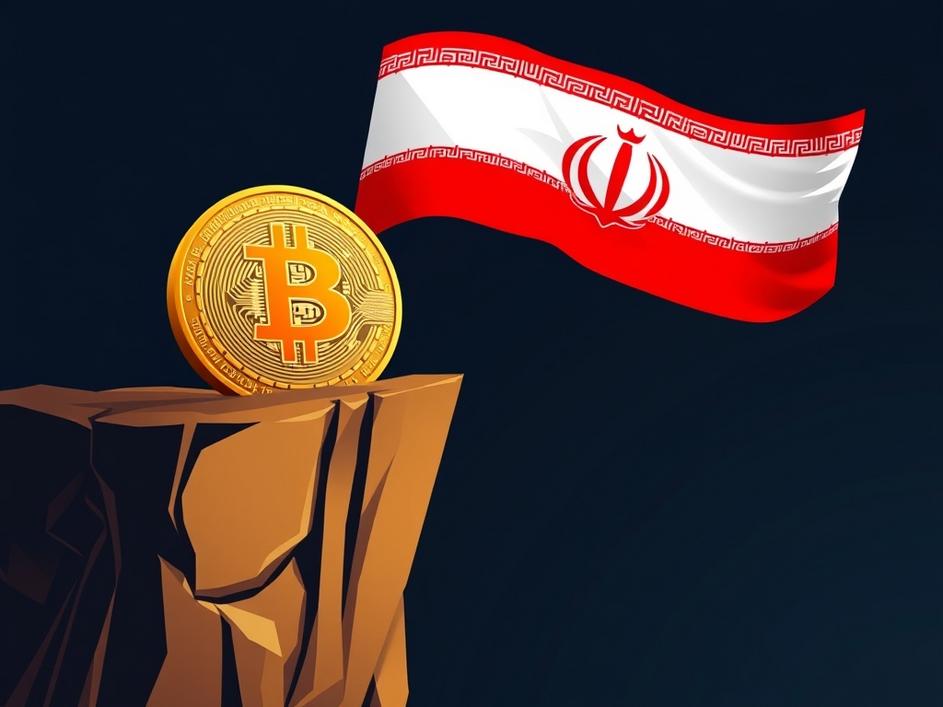
Bitcoin has been dancing near the $70,000 mark, but lately, it’s been showing signs of weakness. The price has flirted with dipping below this key level, making some investors nervous. Is this just a temporary pullback, or is something more significant happening? It’s hard to say for sure, but a few factors could be contributing to the uncertainty. Market corrections are normal, and Bitcoin has seen its share of ups and downs. The overall macroeconomic environment, including interest rate hikes and inflation concerns, can also impact investor sentiment. And of course, regulatory news and government actions always have the potential to move the market. So, while a price dip can be unsettling, it’s important to keep things in perspective.
Reports are surfacing that US investigators are taking a closer look at certain crypto platforms. The specifics are still unclear, but this kind of scrutiny is becoming increasingly common in the crypto space. Regulators are trying to figure out how to oversee this rapidly evolving industry, and that often involves investigations and enforcement actions. This can create uncertainty for crypto businesses and investors alike. The fear is always that new regulations could stifle innovation or limit access to crypto services. However, some argue that clear and consistent rules are necessary for the long-term health of the market. Without them, the industry might struggle with trust and mass adoption. These investigations are reminders that the regulatory landscape is still developing, and companies need to prioritize compliance.
While Bitcoin is struggling and US investigations loom, Iran is seeing a surge in crypto adoption. This isn’t too surprising, considering the country’s economic situation and the sanctions it faces. Crypto offers a potential way to bypass traditional financial systems and engage in international trade. For example, Iran could use Bitcoin or other cryptocurrencies to purchase goods and services from other countries, without having to rely on US dollars or European banks. Of course, this also raises concerns about illicit activities and money laundering. It’s a complex situation with no easy answers. The use of crypto for sanctions evasion is something that governments around the world are watching very closely. It presents a challenge to traditional methods of economic control.
Iran’s increasing reliance on crypto highlights a broader trend: the growing geopolitical importance of digital currencies. As countries grapple with sanctions, inflation, and political instability, they may turn to crypto as an alternative financial tool. This could lead to a more fragmented and decentralized global financial system. It also raises questions about the role of the US dollar as the world’s reserve currency. If more countries start using crypto for trade and investment, it could weaken the dollar’s dominance. This is a long-term trend, and it’s still too early to say how it will play out. But it’s clear that crypto is having a profound impact on the global balance of power.
The crypto market is always full of surprises. Bitcoin’s recent struggles, the US investigation of crypto platforms, and Iran’s growing crypto adoption all point to a period of uncertainty and change. For investors, it’s important to stay informed, manage risk, and diversify your portfolio. Don’t put all your eggs in one basket, and be prepared for volatility. For crypto businesses, compliance is key. Stay up-to-date on the latest regulations, and work with regulators to create a safe and sustainable industry. And for policymakers, the challenge is to strike a balance between innovation and regulation. They need to foster a healthy crypto ecosystem while also protecting consumers and preventing illicit activities. It’s a tough challenge, but it’s essential for the future of the crypto space.
Looking beyond the immediate headlines, the true story lies in crypto’s evolving role in the global financial system. The increased scrutiny from regulators isn’t inherently negative; it’s a sign that crypto is being taken more seriously as a legitimate asset class. This legitimacy could pave the way for wider adoption by institutional investors, potentially stabilizing the market in the long run. The fact that countries like Iran are turning to crypto underscores its potential as a tool for financial autonomy. While concerns about sanctions evasion are valid, the underlying need for alternative financial solutions cannot be ignored. This situation calls for international cooperation and innovative solutions that address both the risks and opportunities presented by crypto.
The original vision of crypto was one of decentralization, empowering individuals and bypassing traditional financial institutions. However, the rise of centralized exchanges and stablecoins has somewhat diluted this narrative. It’s important to remember that the core principles of decentralization are still relevant. Self-custody of your crypto assets, using decentralized exchanges (DEXs), and participating in decentralized autonomous organizations (DAOs) are all ways to stay true to the original vision. As the crypto landscape evolves, it’s up to individuals to choose how they want to interact with the technology and whether they prioritize decentralization over convenience.
The future of crypto is uncertain, but one thing is clear: it will continue to shape the global financial system in profound ways. The challenges and opportunities highlighted in this weekly snapshot underscore the need for informed participation. Whether you’re an investor, entrepreneur, policymaker, or simply curious about crypto, it’s essential to stay informed, think critically, and engage in constructive dialogue. The decisions we make today will determine the future of this technology and its impact on society.



Comments are closed