

We are a digital agency helping businesses develop immersive, engaging, and user-focused web, app, and software solutions.
2310 Mira Vista Ave
Montrose, CA 91020

2500+ reviews based on client feedback
What's Included?
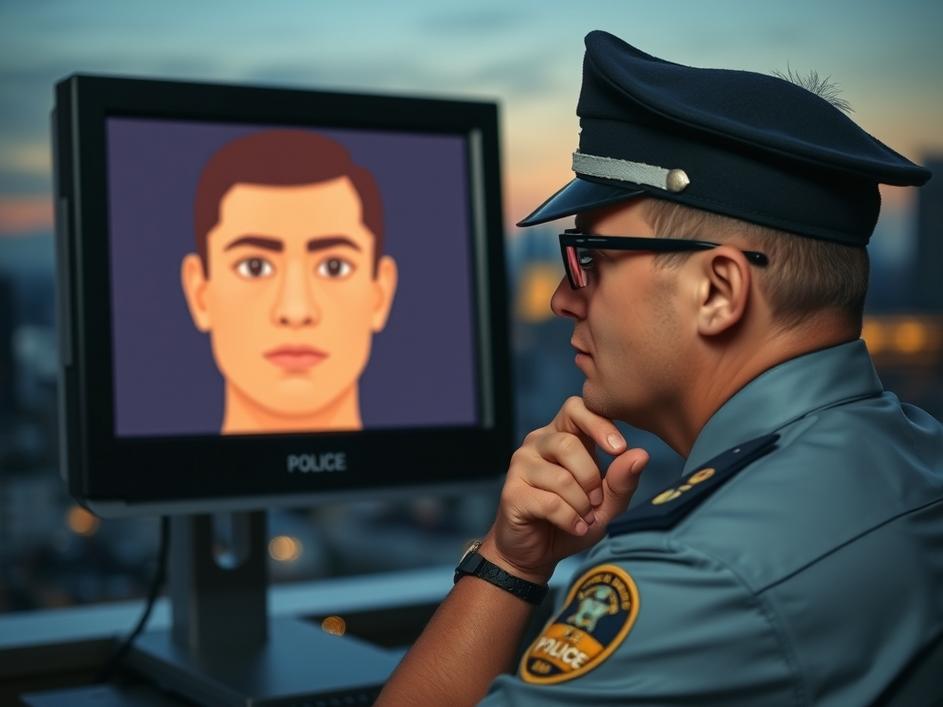
ToggleIn a move that’s sparking conversations nationwide, the Milwaukee Police Department is putting the brakes on its use of facial recognition technology. This isn’t a minor tweak; it’s a full stop, a decision made by the police chief himself. And it raises a big question: Is this a step back, or a leap forward, for law enforcement in the 21st century?
The details surrounding the specific reasons for the ban are still emerging, but we can guess at some potential factors. Facial recognition tech, while promising on paper, has a history of issues. Studies have shown that these systems often misidentify people, especially those with darker skin tones. This raises serious concerns about bias and the potential for wrongful arrests or accusations. Plus, there’s the broader debate about privacy. Do we want law enforcement constantly scanning our faces and tracking our movements? It’s a slippery slope.
This decision throws fuel on the already raging fire of the privacy versus security debate. On one side, you have the argument that facial recognition is a powerful tool for catching criminals, preventing terrorist attacks, and keeping our communities safe. The police could quickly identify suspects from surveillance footage, potentially solving crimes faster and preventing future incidents. It sounds good in theory, but the reality is far more complex. The technology isn’t perfect, and its use raises serious questions about civil liberties.
The imperfections in facial recognition technology are more than just glitches; they’re systemic problems. The algorithms used in these systems are often trained on biased datasets, leading to skewed results. This isn’t just a theoretical concern; it’s a real-world problem that has led to documented cases of misidentification and wrongful arrests. For example, imagine being wrongly identified as a suspect in a crime simply because your face resembles someone else’s in a flawed database. The consequences can be devastating, impacting your reputation, your job, and your freedom.
Beyond the technical issues, there’s the crucial issue of community trust. If people don’t trust the police, they’re less likely to cooperate with investigations, report crimes, and support law enforcement efforts. The use of facial recognition, especially in communities that already have strained relationships with the police, can further erode that trust. The feeling of being constantly watched and scrutinized can create a climate of fear and resentment, making it harder for police to do their jobs effectively. This ban could be a way for the Milwaukee Police Department to rebuild trust with the community by showing that they are listening to concerns about privacy and fairness.
Perhaps this ban isn’t a step back, but a chance to rethink how technology is used in policing. Maybe it’s an opportunity to focus on other tools and strategies that are less intrusive and more effective. Investing in community policing programs, improving police training, and focusing on de-escalation tactics could be more effective ways to reduce crime and build stronger relationships with the community. It’s about finding the right balance between security and liberty, using technology responsibly and ethically.
What does this mean for the future of policing in Milwaukee? It’s hard to say for sure. The ban could be temporary, or it could be a permanent shift in policy. It’s possible that the police department will revisit the issue in the future, perhaps with stricter guidelines and safeguards in place. Or, they may decide to focus on other crime-fighting strategies that don’t rely on facial recognition technology. Whatever happens, this decision is sure to spark further debate and discussion about the role of technology in law enforcement.
Milwaukee’s decision is part of a larger national conversation about the use of facial recognition technology. Several cities and states have already banned or restricted its use, citing concerns about privacy, bias, and civil liberties. This is a complex issue with no easy answers. But one thing is clear: We need to have a serious and open discussion about the role of technology in our society, and how we can use it in a way that protects both our safety and our freedom.
The Milwaukee Police Department’s ban on facial recognition technology is more than just a local story; it’s a reflection of the growing concerns about the use of this technology in law enforcement. It’s a moment for reflection, a chance to ask ourselves what kind of society we want to live in. Do we want to be constantly watched and tracked? Or do we value our privacy and freedom above all else? The answer, of course, is somewhere in the middle. But finding that balance is the challenge of our time. The pause in Milwaukee allows room for discussion and careful consideration of how technology can be used responsibly and ethically in law enforcement.


Comments are closed