

We are a digital agency helping businesses develop immersive, engaging, and user-focused web, app, and software solutions.
2310 Mira Vista Ave
Montrose, CA 91020

2500+ reviews based on client feedback
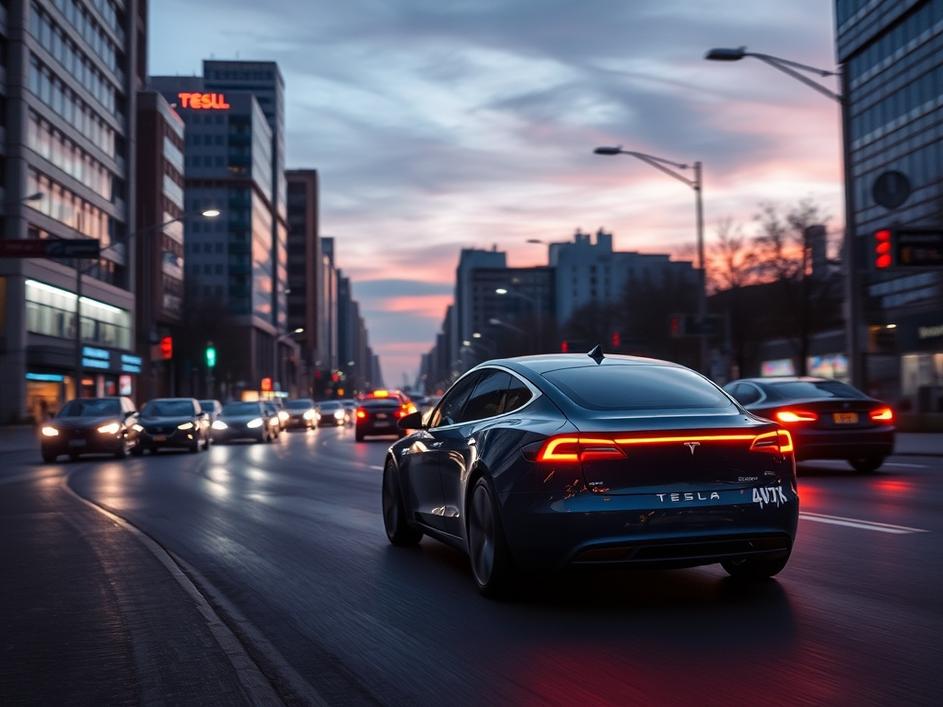
Tesla’s vision of a future dominated by autonomous vehicles has been a key part of its appeal for years. But what happens when the future doesn’t arrive as quickly as expected? Recent reports suggest that Tesla’s 2025 results haven’t exactly set the world on fire, raising questions about whether their aggressive timelines for AI and robotaxis need a serious re-evaluation. This isn’t just about Wall Street expectations; it’s about the fundamental direction of the company.
For a long time, the idea of a Tesla robotaxi fleet has been dangled as a major source of future revenue. Picture this: you own a Tesla, and while you’re at work, it’s out earning money for you as a self-driving taxi. It’s a compelling concept, but the path to achieving fully autonomous driving is proving to be far more challenging and expensive than initially anticipated. Regulatory hurdles, technological limitations, and public safety concerns all contribute to the delays. The question now is: are investors starting to lose patience? And should Tesla shift gears?
The word “pivot” often carries negative connotations, implying a failure of the original plan. But in the fast-moving world of technology, pivoting can be a sign of strength and adaptability. It means recognizing that the market is changing, or that the technology isn’t quite ready, and adjusting your strategy accordingly. For Tesla, a pivot might involve focusing more on advanced driver-assistance systems (ADAS) that enhance safety and convenience for human drivers, rather than chasing full autonomy right away. This could involve creating more revenue streams by improving existing autopilot, rather than gambling on a moonshot.
So, what might a revised Tesla strategy look like? One possibility is a greater emphasis on developing and licensing its AI technology to other automakers or industries. Tesla has amassed a huge amount of driving data, giving it a potential advantage in the AI space. Instead of solely focusing on building its own robotaxi fleet, it could become a supplier of autonomous driving technology to others. Another option is to prioritize specific geographic areas with more favorable regulatory environments for robotaxis, rather than attempting a global rollout all at once. Focusing on perfecting the system in a controlled area could build public trust and gain important data to iterate from. Tesla can also focus on features that benefit drivers right now, like advanced parking assistance, improved navigation, and better safety features, and make these more compelling for customers. A more robust product offering that is available today may be the answer.
Ultimately, Tesla’s future direction will be influenced by its investors. If investors continue to believe in the long-term vision of robotaxis, they may be willing to tolerate continued delays and high R&D spending. However, if they become more focused on short-term profitability, they may push for a more conservative strategy that prioritizes near-term revenue growth. Tesla’s stock price is a key indicator of investor sentiment, and any significant decline could put pressure on the company to make changes. It is a balance between the promise of the future, and the reality of present earnings. Investors need to be convinced that they are not simply betting on a dream. The company’s messaging to investors can be more realistic, presenting a clear roadmap with milestones and realistic timelines. This kind of transparency can help manage expectations and build confidence.
It’s worth remembering that Tesla isn’t just about robotaxis. The company has a strong position in the electric vehicle market, and it’s expanding into energy storage and solar power. These areas offer significant growth potential, and they could provide a solid foundation for the company even if the robotaxi dream takes longer to materialize. By diversifying its revenue streams, Tesla can reduce its reliance on robotaxis and create a more resilient business model. This includes investing in its charging infrastructure and expanding its manufacturing capacity to meet the growing demand for EVs.
The recent scrutiny of Tesla’s 2025 results and the questions surrounding its robotaxi strategy highlight the challenges of pushing the boundaries of technology. There’s no doubt that Tesla has the potential to revolutionize transportation, but it needs to navigate the complexities of regulation, technology, and investor expectations. Whether it chooses to pivot, double down, or find a middle ground, Tesla’s next moves will be critical in shaping its future. The robotaxi vision may not be dead, but it might need to take a different route.



Comments are closed