

We are a digital agency helping businesses develop immersive, engaging, and user-focused web, app, and software solutions.
2310 Mira Vista Ave
Montrose, CA 91020

2500+ reviews based on client feedback
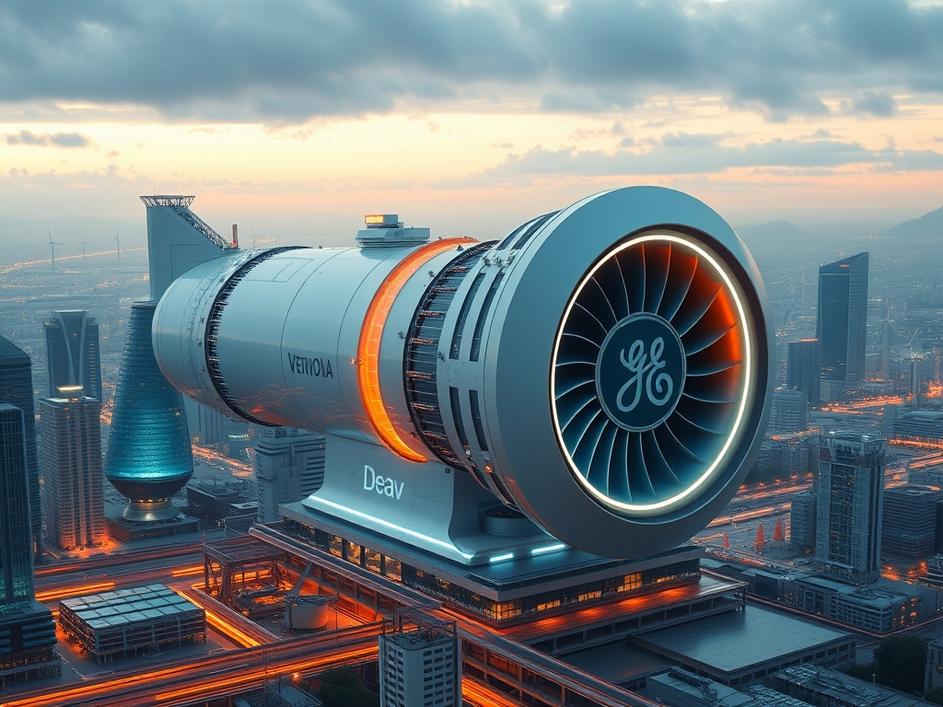
GE Vernova, the energy arm of General Electric, is experiencing a remarkable surge in its stock value in 2026. While market fluctuations are common, the sustained upward trajectory points to something more substantial than mere speculation. The underlying driver? A significant increase in gas turbine orders and a swelling backlog, fueled, surprisingly, by the increasing energy demands of artificial intelligence.
The narrative around AI often focuses on its potential to streamline operations and improve efficiency. However, the less discussed aspect is its massive energy appetite. Training complex AI models and running large-scale AI applications requires enormous computational power, which translates directly into electricity consumption. As AI becomes further embedded in various sectors, from data centers to autonomous vehicles, the demand for reliable and scalable power solutions will inevitably increase. And right now, it looks like Gas Turbines are meeting this call.
While renewable energy sources are vital for a sustainable future, their intermittent nature poses a challenge in meeting the consistently high energy demands of AI. Gas turbines, on the other hand, offer a reliable and dispatchable power source. They can quickly ramp up production to meet fluctuating demands, providing a crucial bridge as renewable energy infrastructure continues to develop. GE Vernova’s expertise in gas turbine technology positions it perfectly to capitalize on this growing need. The company’s advanced turbines offer a balance of efficiency and reliability, making them an attractive option for powering AI-driven operations.
The recent surge in slot reservation agreements for GE Vernova’s gas turbine equipment is another compelling indicator of robust future demand. These agreements represent a commitment from customers to secure production slots for future turbine deliveries. This proactive approach signals a strong belief in the continued growth of power demand and a preference for GE Vernova’s technology. It also provides GE Vernova with increased visibility into its future revenue streams, allowing for better planning and resource allocation. This is key, because anyone involved in manufacturing knows long lead times for these big ticket items can make or break a business.
While AI is a significant driver, it’s important to acknowledge that GE Vernova’s success isn’t solely dependent on this single factor. The global energy landscape is undergoing a dramatic transformation, with increasing pressure to decarbonize while simultaneously meeting growing energy needs. This creates a complex challenge that requires a multifaceted approach. GE Vernova’s diverse portfolio of energy technologies, including gas turbines, renewable energy solutions, and grid technologies, positions it to play a key role in this transition. The company’s ability to offer integrated solutions that combine different energy sources and optimize grid performance is a major competitive advantage.
GE Vernova’s long-term success will depend on its ability to continue innovating and adapting to the evolving energy landscape. Investing in research and development to improve the efficiency and reduce the emissions of its gas turbines is crucial. Exploring new technologies, such as carbon capture and storage, can further enhance the sustainability of gas-fired power generation. And continuing to expand its renewable energy offerings will allow GE Vernova to provide a more comprehensive range of solutions to its customers. The company must navigate the sometimes competing priorities of energy security, affordability, and environmental sustainability. A thoughtful and balanced strategy will be essential for long-term value creation.
Of course, GE Vernova faces challenges. Competition in the energy sector is fierce, and technological advancements are rapidly changing the game. The company must continue to execute effectively, manage its costs, and maintain its technological edge. Regulatory changes and evolving environmental policies could also impact its business. However, the opportunities are substantial. The global demand for energy is only expected to increase in the coming decades, driven by population growth, economic development, and the proliferation of energy-intensive technologies like AI. GE Vernova is well-positioned to capitalize on this growth, providing innovative solutions that help meet the world’s energy needs in a sustainable and reliable manner.
GE Vernova’s recent stock surge appears justified, driven by a potent combination of factors, including the unexpected energy demands of AI, strategic slot reservations, and a comprehensive approach to the evolving energy landscape. While challenges undoubtedly lie ahead, the company’s commitment to innovation, its diversified portfolio, and its ability to adapt to changing market conditions suggest a promising future. Investors are clearly taking note, and GE Vernova’s journey is one to watch closely in the years to come. The link between AI and gas turbines may seem unusual, but it highlights the complex and interconnected nature of the modern energy system, and GE Vernova seems ready to supply the power.



Comments are closed