

We are a digital agency helping businesses develop immersive, engaging, and user-focused web, app, and software solutions.
2310 Mira Vista Ave
Montrose, CA 91020

2500+ reviews based on client feedback
What's Included?
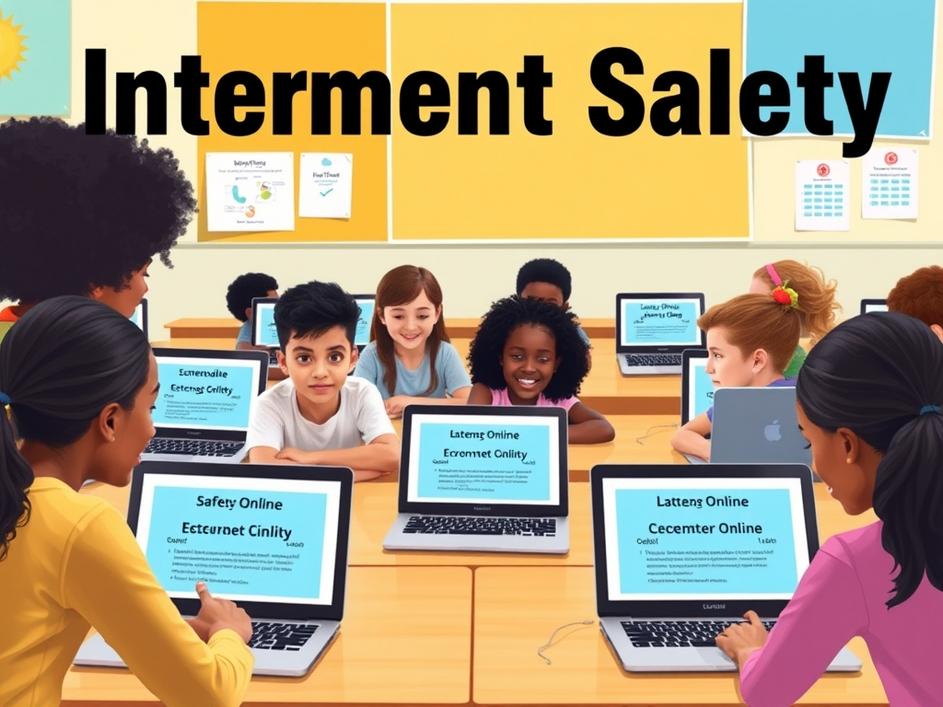
ToggleIn today’s world, the internet is more than just a tool; it’s an integral part of daily life, especially for young people. They use it for homework, socializing, entertainment, and exploring their interests. But this constant connectivity comes with risks. That’s why a recent survey showing that over 56% of parents and teachers believe internet safety should be a mandatory part of the school curriculum is so important. It highlights a growing awareness of the need to equip children with the skills to navigate the online world safely and responsibly.
What exactly does “internet safety” mean in this context? It’s more than just telling kids not to talk to strangers online. A comprehensive internet safety curriculum should cover a range of topics, including cyberbullying prevention, recognizing and avoiding online scams and phishing attempts, understanding privacy settings and data security, and developing critical thinking skills to evaluate the credibility of online information. It also means teaching them about responsible online behavior, such as respecting copyright laws and avoiding the spread of misinformation.
Ignoring the need for internet safety education can have serious consequences. Children who aren’t aware of the risks are more vulnerable to online predators, cyberbullying, and exposure to inappropriate content. They may also be more likely to share personal information without understanding the potential repercussions. Furthermore, the constant barrage of information online, much of which is misleading or biased, can make it difficult for young people to develop sound judgment and critical thinking skills. Failing to educate children about online safety is like sending them out into a busy street without teaching them how to cross the road.
So, how can schools effectively integrate internet safety into their curriculum? It doesn’t necessarily require creating a separate subject. Instead, internet safety concepts can be woven into existing subjects like English, social studies, and even math and science. For example, when teaching students how to research online, teachers can also discuss how to evaluate the credibility of sources. When discussing current events, they can address the spread of misinformation and the importance of fact-checking. By integrating these topics into existing lessons, schools can ensure that internet safety is not treated as an afterthought but as an essential part of a well-rounded education. It will also be very important that the educators are well trained in this area, to be able to answer questions and guide children appropriately.
While schools play a crucial role in internet safety education, it’s important to remember that parents also have a responsibility to educate their children about online safety at home. Parents should talk to their children about their online activities, set clear expectations for responsible online behavior, and monitor their children’s online interactions. By working together, parents and teachers can create a united front in protecting children from the risks of the online world. Encouraging open communication and creating a safe space for children to discuss their online experiences is also vitally important.
As technology continues to evolve, the challenges of internet safety will only become more complex. That’s why it’s so important to invest in internet safety education now. By equipping children with the skills and knowledge they need to navigate the online world safely and responsibly, we can help them become responsible digital citizens who can thrive in the digital age. This isn’t just about protecting them from harm; it’s about empowering them to use technology for good, to connect with others, to learn, and to contribute to society in meaningful ways. The internet is a powerful tool, and it’s our responsibility to ensure that young people know how to use it safely and effectively. By focusing on early education and creating relevant curriculum, we can help children to be confident while online. This will empower them to navigate all the good and bad of the internet.



Comments are closed