

We are a digital agency helping businesses develop immersive, engaging, and user-focused web, app, and software solutions.
2310 Mira Vista Ave
Montrose, CA 91020

2500+ reviews based on client feedback
What's Included?
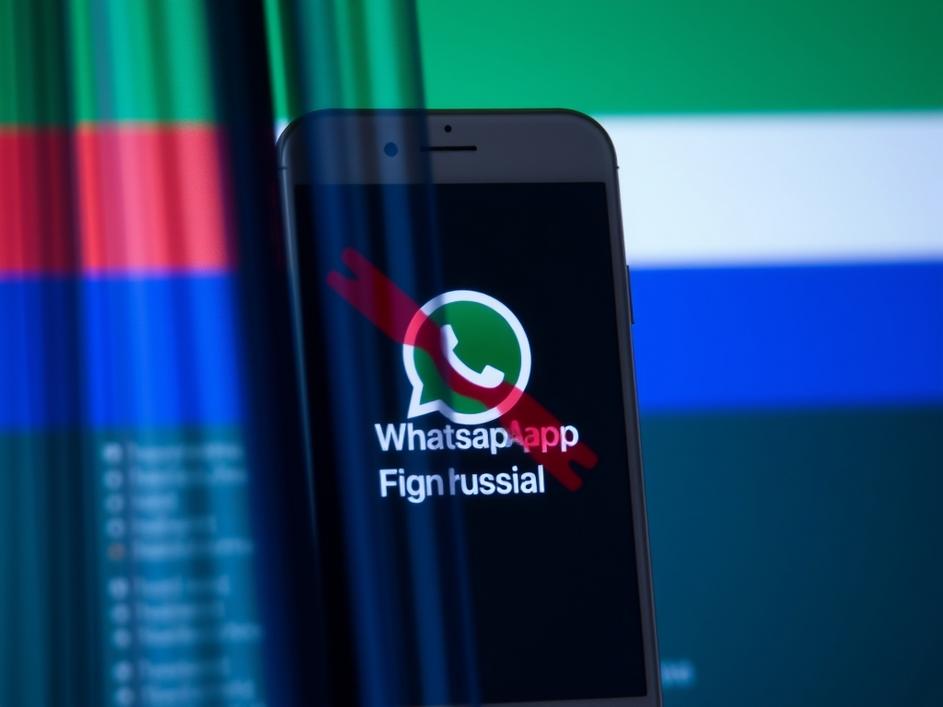
ToggleRumors are swirling that Russia might be gearing up to block WhatsApp, adding it to the growing list of restricted online platforms. This follows closely on the heels of tightened restrictions already in place for Telegram and other services. What’s driving this push, and what does it mean for everyday Russians who rely on these apps for communication? The situation is complex, with political, social, and technological factors all playing a role. The implications could be far-reaching, changing how people connect and share information within the country. The reasons behind these moves are varied, ranging from security concerns to increasing state control over online content.
Russia’s history with internet freedom is, to put it mildly, complicated. Over the years, the government has gradually increased its control over online spaces, citing reasons like combating extremism, protecting national security, and preventing the spread of misinformation. Laws have been passed requiring social media companies to store user data within Russia and to remove content deemed illegal by the authorities. The result is a steady stream of blocked websites and apps, impacting everything from news outlets to social networking platforms. This isn’t just about keeping out foreign influences; it’s also about shaping the narrative and controlling the flow of information within the country.
So, why WhatsApp? It’s one of the most popular messaging apps globally, used by millions of Russians for personal and professional communication. Unlike Telegram, which has a strong emphasis on public channels and large group chats, WhatsApp is primarily used for private messaging. Some argue that the government’s increasing focus on encryption and data privacy could be a factor. WhatsApp’s end-to-end encryption makes it difficult for authorities to monitor conversations. Another theory suggests that the government wants to push people toward domestically developed messaging apps, which would give them greater control over user data and communications. Blocking a widely used app like WhatsApp could be extremely unpopular, but the government may see it as a necessary step to maintain control.
The consequences of a WhatsApp ban would be significant. For ordinary citizens, it would disrupt their ability to communicate with friends, family, and colleagues. Many small businesses also rely on WhatsApp for customer service and internal communications. Switching to alternative platforms could be inconvenient and time-consuming. There’s also the question of digital literacy – not everyone is comfortable using new technologies, and some may struggle to adapt. Beyond the practical implications, a ban would also send a chilling message about online freedom and government control. It could further erode trust in the internet as a space for open and uncensored communication.
What does the future hold for online communication in Russia? It’s difficult to say for sure, but the trend seems to be toward greater government control. We can expect to see continued efforts to regulate online content, monitor user activity, and promote domestically developed platforms. The blocking of WhatsApp, if it happens, would be a major escalation, signaling a willingness to disrupt everyday life in the name of security and control. It remains to be seen whether this approach will be effective in achieving its goals, or whether it will simply drive people to more secure and decentralized communication channels. One thing is certain: the battle for internet freedom in Russia is far from over.
If WhatsApp gets blocked, Russians will likely turn to other messaging apps. Telegram is already popular, and there are several other options like Viber, Signal, and even domestically-developed apps. However, each platform has its own strengths and weaknesses in terms of security, privacy, and features. Some users might also explore workarounds like VPNs (Virtual Private Networks) to bypass the restrictions. VPNs encrypt internet traffic and route it through servers in other countries, making it difficult for the government to block access to specific websites or apps. However, the use of VPNs can also be risky, as some services may not be trustworthy and could potentially compromise user data. Ultimately, the effectiveness of these alternative solutions will depend on the government’s ability to detect and block them.
While the situation in Russia is unique, it’s part of a broader global trend toward increasing government control over the internet. Many countries are grappling with issues like misinformation, hate speech, and cybercrime, and some are resorting to censorship and surveillance as a response. The challenge is to find a balance between protecting national security and preserving fundamental rights like freedom of expression and privacy. The decisions made in Russia will have implications far beyond its borders, potentially influencing how other countries approach internet governance. It’s a critical moment for the future of online freedom worldwide.
The potential WhatsApp ban highlights a fundamental tension between government control and individual freedom in the digital age. While governments have a legitimate interest in protecting their citizens and maintaining order, they must also respect the rights of individuals to communicate freely and access information. The internet has the potential to be a powerful tool for education, innovation, and social change, but it can only fulfill that potential if it remains open and accessible. The choices made by governments today will shape the future of the internet for generations to come. Will we see a world of fragmented internets, with each country controlling its own digital borders? Or will we be able to preserve a global, open, and interconnected internet that empowers individuals and promotes democracy?


Comments are closed