

We are a digital agency helping businesses develop immersive, engaging, and user-focused web, app, and software solutions.
2310 Mira Vista Ave
Montrose, CA 91020

2500+ reviews based on client feedback
What's Included?
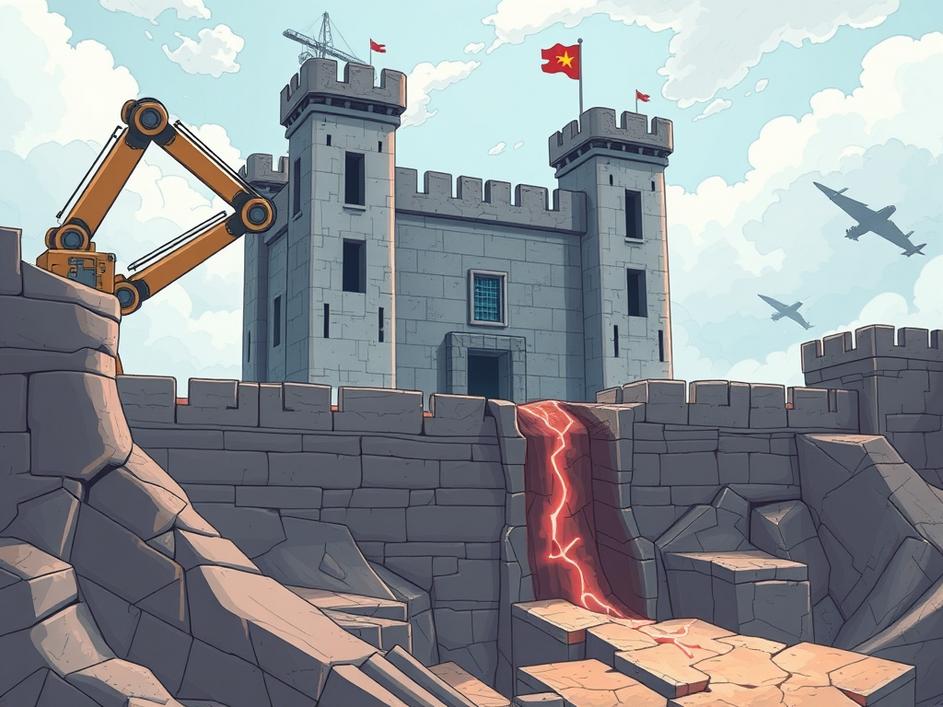
ToggleVaronis, a well-known name in data security, finds itself in a bit of a pickle. While they’re pushing forward with artificial intelligence advancements to bolster their security offerings, they’re also facing some Software as a Service (SaaS)-related lawsuits. It’s like trying to build a fortress while simultaneously patching up cracks in the foundation. News emerged on February 13, 2026, highlighting this duality, creating an interesting narrative for the company’s future.
On a brighter note, Varonis is expanding its AI security capabilities through the acquisition of AllTrue.ai. In today’s world, where data breaches are becoming increasingly sophisticated, relying on AI to detect and respond to threats is becoming more and more critical. Integrating AllTrue.ai promises to give Varonis customers better tools to defend against evolving cyberattacks. It suggests a proactive approach, aiming to stay ahead of the curve in a rapidly changing threat landscape. Smart move?
However, the lawsuits related to its SaaS offerings are a serious concern. The details surrounding these lawsuits are vague in the initial report, but they raise questions about Varonis’ service reliability, contract terms, or possibly even data security practices within their SaaS environment. Legal battles can be costly, not only in terms of finances but also in terms of reputation. It could impact customer trust and potentially lead to churn, especially in the competitive SaaS market. The market is constantly shifting, and Varonis should adjust accordingly.
Varonis finds itself in a challenging position, balancing innovation with legal troubles. Their commitment to AI-powered security is commendable and necessary, given the current cybersecurity environment. However, they need to address the SaaS lawsuits head-on. Ignoring them could have long-term consequences that overshadow their technological advancements. Successfully navigating this situation requires transparency, a strong legal defense, and a renewed focus on customer satisfaction within their SaaS offerings.
The company’s future hinges on how well it manages these conflicting forces. Can they successfully integrate AllTrue.ai and deliver tangible benefits to their customers? Can they resolve the SaaS lawsuits quickly and favorably? The answers to these questions will determine whether Varonis continues to be a leader in the data security space or if they stumble and fall behind. It’s a story worth watching, as it reflects the broader challenges faced by many tech companies in the age of rapid innovation and increasing legal scrutiny. Ultimately, the company must prioritize its customers, both by innovating in AI, and ensuring its SaaS offerings are above board.
The move to incorporate AllTrue.ai isn’t just about adding another feature; it signals a fundamental shift toward proactive threat management. Traditional security methods often react to attacks after they’ve already begun. AI, on the other hand, can analyze vast amounts of data in real-time, identifying patterns and anomalies that might indicate an impending breach. It’s like having a security guard who can predict where the burglars are going to strike before they even approach the building. But the effectiveness of AI depends on the quality of the data it receives and the sophistication of the algorithms used. Varonis needs to ensure that its AI systems are constantly learning and adapting to new threats.
The impact of the SaaS lawsuits could extend beyond just the immediate legal costs. It could affect Varonis’ ability to attract new customers and retain existing ones. Potential clients might hesitate to invest in a company facing legal uncertainty, fearing disruptions or service outages. Existing customers might start looking for alternatives, especially if they feel their data security is at risk. This “ripple effect” could significantly impact Varonis’ revenue and market share. Therefore, addressing these lawsuits promptly and transparently is crucial for maintaining customer confidence.
At the end of the day, customer trust is one of the most valuable assets a company can have. It’s the foundation upon which long-term relationships are built, and it’s essential for sustainable growth. When a company faces legal challenges or service disruptions, that trust can be eroded quickly. Rebuilding trust requires more than just empty promises. It requires concrete actions, such as improving service reliability, enhancing data security measures, and providing clear and honest communication. Varonis must prioritize rebuilding customer trust if it wants to weather this storm and emerge stronger.
The challenges facing Varonis are not unique. The entire cybersecurity industry is in a state of constant flux, adapting to new threats and evolving technologies. Companies need to be proactive, innovative, and customer-focused to succeed. Those that can successfully navigate these challenges will thrive; those that cannot will be left behind. The Varonis story serves as a reminder that even established players in the market need to stay vigilant and adapt to the changing landscape.



Comments are closed