

We are a digital agency helping businesses develop immersive, engaging, and user-focused web, app, and software solutions.
2310 Mira Vista Ave
Montrose, CA 91020

2500+ reviews based on client feedback
What's Included?
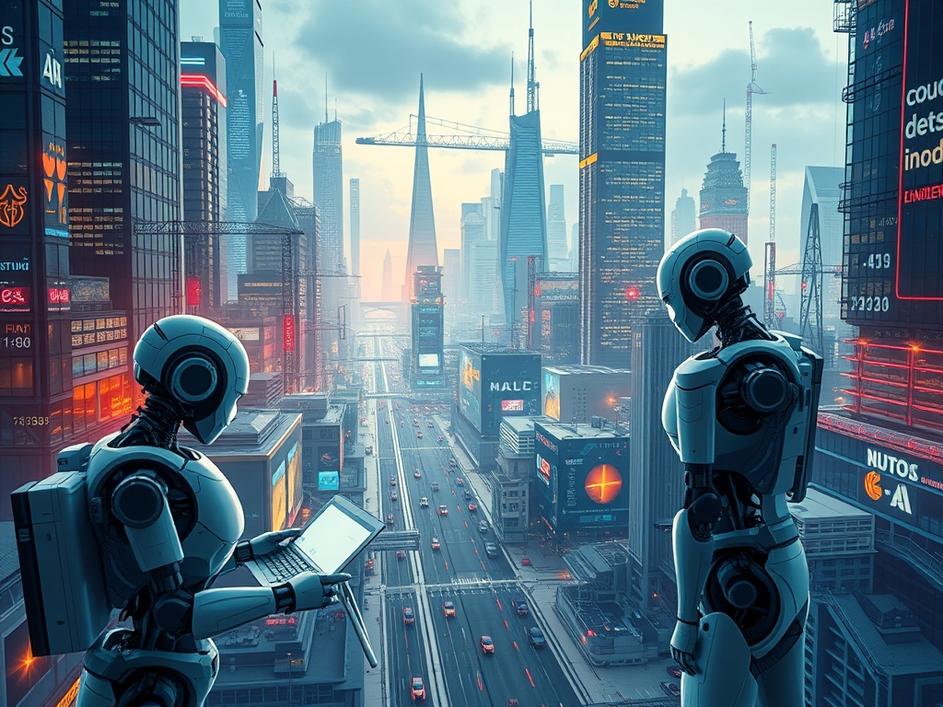
ToggleArtificial intelligence. The words are everywhere. We hear about its potential, its dangers, and its inevitable disruption. But pinpointing exactly *where* that disruption will be most keenly felt is the million-dollar question. A recent report from UBS attempts to do just that, offering insights into the sectors most vulnerable to the AI revolution. It’s not about if, but when and how severely different industries will be affected. What can we expect?
According to the UBS analysis, the financial sector stands out as a prime target for AI-driven change. And that shouldn’t surprise anyone. For years, banks and investment firms have been automating tasks, from basic customer service to complex trading algorithms. AI takes this a step further. Imagine AI-powered systems capable of analyzing market trends with unparalleled speed and accuracy, making investment decisions in real-time, and even detecting fraudulent activity with greater efficiency than human analysts. While complete replacement of human workers is unlikely in the short term, significant job displacement in areas like data entry, compliance, and even some aspects of financial analysis seems almost certain. The question isn’t whether AI will change finance, but how drastically and how quickly.
While finance might seem like the obvious target, the creative industries are also facing a potential earthquake. AI is rapidly advancing in areas like writing, music composition, and graphic design. We’re already seeing AI tools that can generate articles, create marketing copy, and even produce original artwork. This raises profound questions about the future of creative work. Will human artists and writers be replaced by algorithms? More likely, we’ll see a shift in the creative process, with AI tools becoming powerful assistants that augment human creativity. Artists and writers who embrace these new technologies will likely thrive, while those who resist may find themselves struggling to compete.
It’s easy to focus on the industries that are already heavily reliant on data and automation, but the AI disruption is likely to extend far beyond these obvious targets. Consider the healthcare industry, where AI could revolutionize diagnostics, drug discovery, and personalized medicine. Or the manufacturing sector, where AI-powered robots could automate entire production lines. Even seemingly “safe” industries like education could be transformed by AI-powered tutoring systems and personalized learning platforms. The key is to look for areas where AI can improve efficiency, reduce costs, or enhance the customer experience. These are the areas where disruption is most likely to occur.
Ultimately, the impact of AI disruption will depend on how we, as humans, choose to adapt. Resistance is futile. Instead of fearing the rise of AI, we need to focus on developing the skills and knowledge necessary to thrive in an AI-driven world. This means investing in education and training programs that equip workers with the skills they need to work alongside AI systems. It also means fostering a culture of innovation and experimentation, where businesses are willing to embrace new technologies and explore new ways of working. The AI revolution is not a threat to human jobs, but an opportunity to create a more productive, efficient, and fulfilling work environment. The companies and individuals who understand this and embrace the change will be the ones who succeed in the long run. The AI wave is coming, but preparation and adaption is key to surviving and thriving.
One major factor that could drastically alter the trajectory of AI disruption is regulation. Governments around the world are grappling with the ethical and societal implications of AI, and new laws and regulations could significantly impact the pace and direction of its development. Stricter regulations could slow down the adoption of AI in certain industries, while more permissive policies could accelerate its growth. The regulatory landscape is constantly evolving, and businesses need to stay informed and adapt accordingly. Uncertainty in AI regulation could lead to some organizations delaying AI development until regulation clarity is achived.
Beyond regulation, there are also significant ethical considerations that need to be addressed. AI systems can be biased, discriminatory, and even dangerous if not developed and deployed responsibly. It’s crucial to ensure that AI is used in a way that is fair, transparent, and accountable. This requires careful consideration of the ethical implications of AI development and deployment, as well as the establishment of clear guidelines and standards. Ignoring the ethical challenges of AI could lead to serious consequences, including reputational damage, legal liabilities, and even social unrest. Consideration and proper handling of the ethics is paramount for responsible AI usage.
The UBS report serves as a crucial reminder that the AI revolution is not some distant future event, but a present-day reality. The time to prepare is now. By understanding the potential risks and opportunities, investing in the right skills and technologies, and addressing the ethical challenges head-on, we can navigate the AI earthquake and emerge stronger and more prosperous than ever before.


Comments are closed