

We are a digital agency helping businesses develop immersive, engaging, and user-focused web, app, and software solutions.
2310 Mira Vista Ave
Montrose, CA 91020

2500+ reviews based on client feedback
What's Included?
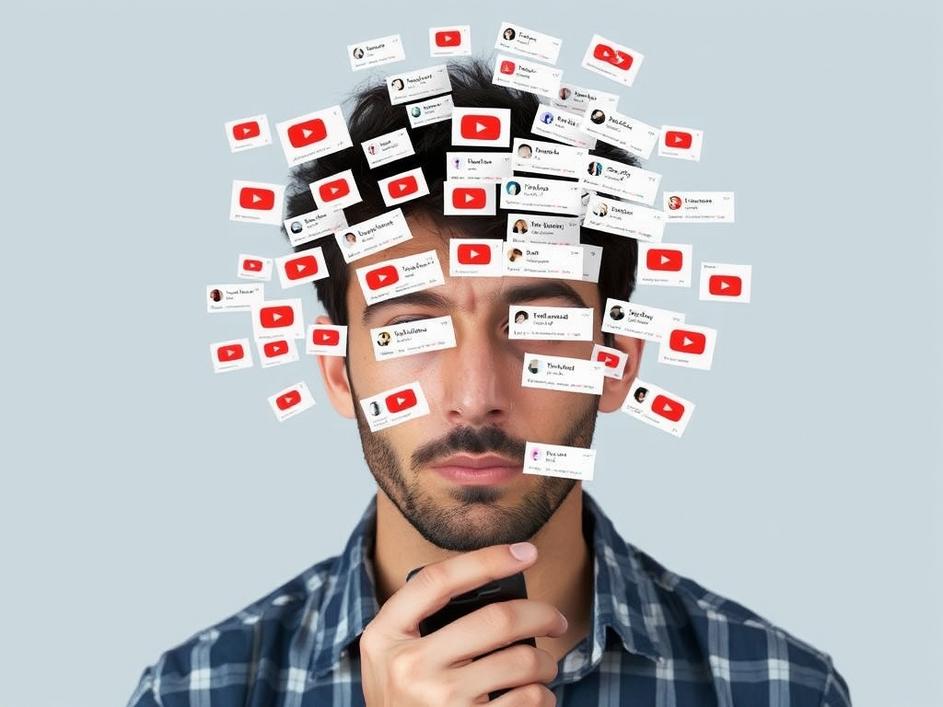
ToggleLet’s face it: we all get bombarded with notifications. Our phones buzz, beep, and vibrate constantly, vying for our attention. YouTube, a platform we often turn to for entertainment or education, is no exception. For many, the notification settings have become a source of digital clutter, a constant stream of updates from channels we subscribed to ages ago but rarely, if ever, watch anymore. These notifications, intended to keep us engaged, often become a nuisance, burying the updates we actually care about.
YouTube is experimenting with a new system designed to streamline these notifications. The core idea is simple: if you don’t regularly watch a channel, YouTube might stop sending you notifications from it, even if you have “All” notifications enabled. This isn’t about unsubscribing you; it’s about quieting the noise and prioritizing the content you’re most likely to enjoy. Think of it as a notification diet, trimming the excess to make the essentials stand out. This change aims to improve the user experience by reducing irrelevant notifications, making it easier to find the videos you’re genuinely interested in.
From a user’s perspective, this change has the potential to be a real positive. How many times have you dismissed a notification from a channel, thinking, “Oh, I forgot I even subscribed to them?” It’s a common experience. By filtering out notifications from infrequently watched channels, YouTube could help users rediscover channels that they care about. The platform is essentially trying to fine-tune its algorithm to better understand user preferences and deliver content that aligns with their viewing habits. It’s not about limiting options but rather about enhancing the overall browsing experience.
Of course, there’s a flip side to consider. What if you *want* to receive notifications from a channel, even if you don’t watch it regularly? Maybe it’s a channel that posts infrequently, but when they do, it’s something you’re very interested in. Or perhaps it’s a channel you used to watch a lot, and you’re hoping to get back into it eventually. In these cases, the new system could inadvertently filter out content you’d actually like to see. It’s a delicate balance between reducing noise and ensuring users don’t miss out on content they value. The key will be how well YouTube implements this change and how easily users can override the system if they disagree with its filtering decisions. The ability to manually adjust notification settings for individual channels will be crucial for users who want more control.
The success of this new system hinges on YouTube’s algorithm’s ability to accurately gauge user intent. How does the algorithm determine what constitutes “regular” engagement? Is it based solely on watch time, or does it also consider other factors like likes, comments, and shares? The more sophisticated the algorithm, the better it will be at predicting which notifications are truly relevant to each user. The challenge is to avoid being too restrictive, as this could alienate users who appreciate the breadth of content available on YouTube, even if they don’t actively engage with all of it. This new strategy forces all content creators to focus more on creating consistent, engaging content that holds the user’s attention.
This change could also have implications for content creators. Channels that rely heavily on notifications to drive views might see a decrease in viewership if their subscribers aren’t actively watching their content. This could incentivize creators to produce more consistent, engaging content to keep their audience hooked. On the other hand, smaller channels that post less frequently might struggle to get their content seen if their subscribers’ notifications are being filtered. It’s a competitive landscape, and this new system could further intensify the pressure on creators to stand out and maintain a loyal audience. Content creators might need to rethink their strategies, focusing on building stronger relationships with their viewers and promoting their content through other channels, such as social media, to ensure their videos reach their target audience.
YouTube’s experiment reflects a broader trend towards personalized notifications. We’re moving away from a one-size-fits-all approach and towards a system that tailors notifications to individual user preferences. This is a welcome development, as it has the potential to make our digital lives less cluttered and more focused. However, it’s essential that these systems are transparent and user-friendly, allowing us to easily customize our notification settings and ensure we’re not missing out on content we care about. The ultimate goal is to create a notification system that serves us, not the other way around. This change is not just about muting channels; it’s about fostering a more meaningful connection between viewers and content creators.
In conclusion, YouTube’s potential change to its notification system is a double-edged sword. While it promises to reduce notification clutter and improve the user experience, it also raises concerns about missing out on content from channels we don’t watch regularly. The success of this change will depend on YouTube’s ability to fine-tune its algorithm and provide users with sufficient control over their notification settings. Ultimately, it’s a step towards a more personalized and user-centric notification system, one that empowers us to take back control of our YouTube experience. It remains to be seen how this experiment will play out, but it’s a clear indication that YouTube is committed to evolving its platform to better meet the needs of its users.



Comments are closed