

We are a digital agency helping businesses develop immersive, engaging, and user-focused web, app, and software solutions.
2310 Mira Vista Ave
Montrose, CA 91020

2500+ reviews based on client feedback
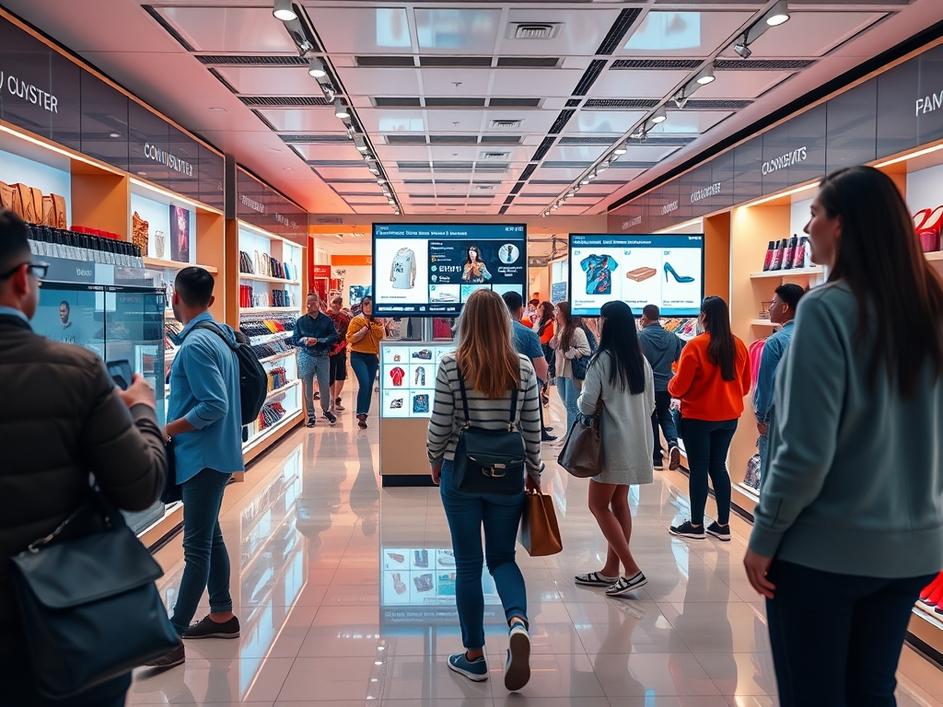
Reliance Retail, a major player in India’s retail landscape, is taking a significant step to blend the physical and digital shopping worlds. They’re piloting a new search and discovery platform, aiming to create a smoother, more integrated experience for customers. It sounds like they want to make it easier for people to find what they need, whether they’re browsing online or walking through a store.
Essentially, it’s a system that helps shoppers find what they’re looking for, even if they don’t know exactly what it’s called. Think of it as a super-smart search engine, but one that also suggests related items and helps you explore a retailer’s offerings. It’s not just about typing in a keyword; it’s about uncovering products you might not have known existed. This could involve using AI to understand your shopping habits and preferences, then presenting relevant products.
The answer is simple: to stay ahead of the game. The retail world is changing rapidly, with online shopping becoming increasingly popular. But physical stores still have a lot to offer, and Reliance wants to capitalize on that. By integrating the online and offline experiences, they can offer customers the best of both worlds. Imagine browsing online, finding something you like, and then being able to easily locate it in a nearby store. Or, conversely, seeing something in a store and then being able to quickly find more information about it online. It’s about creating a seamless journey, regardless of how the customer chooses to shop. It’s also about gathering data. Every search, every click, every purchase provides valuable information that Reliance can use to better understand its customers and personalize their shopping experiences.
Details are still emerging, but the core idea is likely to involve a combination of technologies. This could include improved search functionality on Reliance Retail’s websites and apps, as well as in-store kiosks or mobile tools that allow customers to easily find products and information. They might also use image recognition, allowing customers to take a picture of an item and then find similar products. A key aspect will be personalization. The platform will likely use data about customers’ past purchases, browsing history, and demographics to recommend products and offers that are relevant to them. This is not easy to do, and will require significant investment in systems and people. There’s also the question of privacy. Customers will need to be comfortable with Reliance collecting and using their data, and Reliance will need to be transparent about how they’re doing so.
If successful, this platform could significantly boost Reliance Retail’s sales and customer loyalty. By making it easier for people to find what they need, and by offering a more personalized shopping experience, Reliance can attract and retain customers. This could also have a ripple effect across the Indian retail landscape, as other companies are forced to innovate to compete. This initiative could also empower smaller brands and vendors who rely on Reliance’s platform to reach a wider audience. By improving product discovery, Reliance can help these businesses connect with customers they might not otherwise reach. It’s a win-win situation: customers get a better shopping experience, and businesses get more opportunities to grow.
While the potential benefits are clear, there are also challenges to overcome. Integrating online and offline data can be complex, and ensuring data privacy is paramount. Moreover, convincing customers to adopt new shopping habits requires a user-friendly and compelling experience. The technology also has to work reliably. Nothing will frustrate customers more than a search platform that is slow, inaccurate, or confusing. And, of course, there’s the cost. Developing and maintaining a sophisticated search and discovery platform requires a significant investment. Reliance will need to carefully manage these costs to ensure that the platform delivers a positive return.
Reliance Retail’s move highlights the ongoing convergence of online and offline retail. Customers increasingly expect a seamless experience, regardless of how they choose to shop. Companies that can deliver on this expectation will be well-positioned to succeed in the years to come. This new platform is not just about improving search; it’s about creating a more engaging and personalized shopping experience. It’s about understanding the customer’s needs and anticipating their desires. It’s about using technology to bridge the gap between the physical and digital worlds. And it’s about building a loyal customer base that keeps coming back for more. The success of this pilot program will be closely watched by the entire retail industry in India and beyond. It could serve as a model for other companies looking to integrate their online and offline operations.
Ultimately, Reliance Retail’s new search platform is a bet on the future of retail. It’s a recognition that customers want more than just a transaction; they want an experience. They want to feel understood, valued, and connected. By creating a smarter, more personalized shopping experience, Reliance hopes to build lasting relationships with its customers and solidify its position as a leader in the Indian retail market. Whether they succeed remains to be seen, but their investment in this technology signals a clear commitment to innovation and customer-centricity. The potential is there to drastically improve customer satisfaction. Now they must execute.



Comments are closed