

We are a digital agency helping businesses develop immersive, engaging, and user-focused web, app, and software solutions.
2310 Mira Vista Ave
Montrose, CA 91020

2500+ reviews based on client feedback
What's Included?
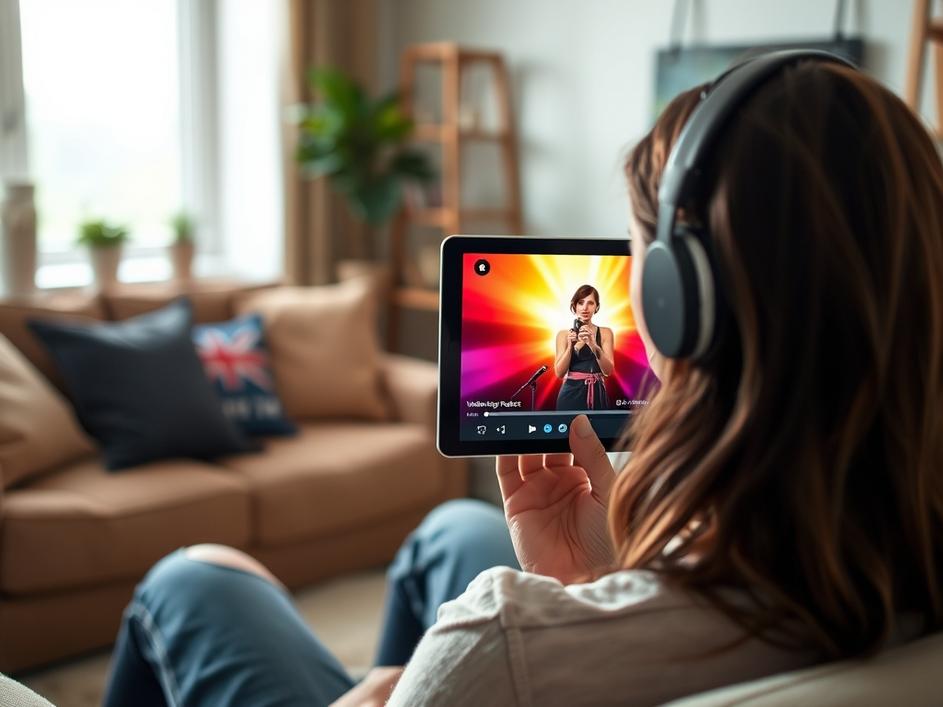
ToggleApple is stepping into the video podcasting arena, a move that could reshape how we consume audio content. The tech giant announced plans to integrate video more deeply into its Apple Podcasts platform, setting the stage for a potential showdown with established players like YouTube and Spotify. This isn’t just about adding a visual element; it’s about evolving the podcasting format to meet changing audience expectations. For years, podcasts have been primarily audio-based, but with video becoming increasingly dominant, especially among younger audiences, Apple recognizes the need to adapt. The integration promises to offer creators new avenues for expression and engagement, and listeners a richer, more immersive experience. But the question remains: Is Apple fashionably late to the party, or are they poised to redefine it?
The rise of video podcasting isn’t accidental; it’s a reflection of broader trends in digital media consumption. Platforms like YouTube have already demonstrated the appeal of video-based podcasts, drawing in viewers who enjoy the visual element alongside audio content. This could involve seeing the hosts’ reactions, observing guest interactions, or simply having a visual anchor while listening. Apple’s decision to embrace video is a strategic response to this shift. By integrating video directly into Apple Podcasts, they aim to retain users within their ecosystem and attract new listeners who prefer a more dynamic experience. It also provides podcasters with another monetization opportunity; they may be able to generate more revenue through video ads. Ultimately, Apple is betting that video will enhance the value proposition of its podcasting platform.
Apple’s move throws down the gauntlet to YouTube and Spotify, both of which have already invested heavily in video podcasting. YouTube, with its massive video infrastructure and established creator base, is a formidable competitor. Spotify, while initially focused on audio, has also made significant strides in video podcasting, offering exclusive content and innovative formats. Apple’s advantage lies in its tight integration with its ecosystem of devices and services. For loyal Apple users, having a seamless video podcasting experience within Apple Podcasts could be a major draw. However, Apple needs to offer compelling features and content to truly stand out. This could include exclusive video podcasts, interactive elements, or unique ways to engage with creators. The battle for video podcasting supremacy is just beginning, and it will be interesting to see how each platform evolves.
The shift to video podcasting presents both challenges and opportunities for content creators. Producing video podcasts requires additional resources and expertise, including equipment, editing skills, and visual storytelling abilities. Podcasters will need to adapt their production workflows to accommodate the visual element. However, video also opens up new creative possibilities. Creators can experiment with different formats, such as live streams, behind-the-scenes footage, and visual aids to enhance their storytelling. Video also allows for greater audience engagement. Podcasters can interact with viewers in real-time through live chats, Q&A sessions, and other interactive features. The transition to video podcasting may require an initial investment, but the potential rewards are significant.
One of the key drivers behind the push for video podcasting is monetization. Video ads typically command higher rates than audio ads, making video a more lucrative format for creators. Apple’s integration of video could attract more advertisers to the platform, further boosting revenue for podcasters. In addition to ads, video also opens up new avenues for monetization, such as sponsorships, merchandise sales, and premium content. As podcasting continues to evolve, we can expect to see more innovative monetization models emerge. Video podcasting is likely to play a central role in this evolution, providing creators with more ways to generate income and sustain their work. The future of podcasting is undoubtedly visual, and Apple is positioning itself to be at the forefront of this trend.
Apple’s entry into video podcasting could bring significant changes to the industry. The company’s influence and vast user base can accelerate the adoption of video podcasts among creators and listeners. This increased visibility could lead to higher production quality and more experimentation with the format. Apple’s focus on user experience could also drive innovation in podcasting apps and platforms. As the competition intensifies, we can expect to see more features and tools designed to enhance the video podcasting experience. This includes better discovery mechanisms, improved playback controls, and seamless integration with other devices and services. Apple has the potential to reshape the video podcasting landscape, making it more accessible, engaging, and rewarding for both creators and consumers.
The success of Apple’s video podcasting push hinges on several factors. First, Apple needs to provide a seamless and intuitive user experience. The video integration must be well-designed and easy to use, both for creators and listeners. Second, Apple needs to attract high-quality video podcasts to the platform. This could involve offering incentives, such as promotional opportunities, exclusive features, or financial support. Finally, Apple needs to effectively market its video podcasting capabilities to its user base. This could involve highlighting the benefits of video podcasts, showcasing popular creators, and promoting new and innovative formats. If Apple can execute on these fronts, it has a strong chance of succeeding in the video podcasting arena.
Ultimately, Apple’s move into video podcasting signals a broader shift in how we consume audio content. As video becomes more pervasive, it’s likely that more and more podcasts will adopt a visual format. This transition may not be seamless, but it presents exciting opportunities for creators and listeners alike. Video podcasts can offer a richer, more immersive experience, allowing for greater engagement and creativity. While the future of podcasting is uncertain, one thing is clear: video is here to stay. Apple’s entry into the market is a validation of this trend, and it will be interesting to see how the industry evolves in the years to come. Whether Apple’s entry is early enough, late or right on time, only time will tell.



Comments are closed