

We are a digital agency helping businesses develop immersive, engaging, and user-focused web, app, and software solutions.
2310 Mira Vista Ave
Montrose, CA 91020

2500+ reviews based on client feedback
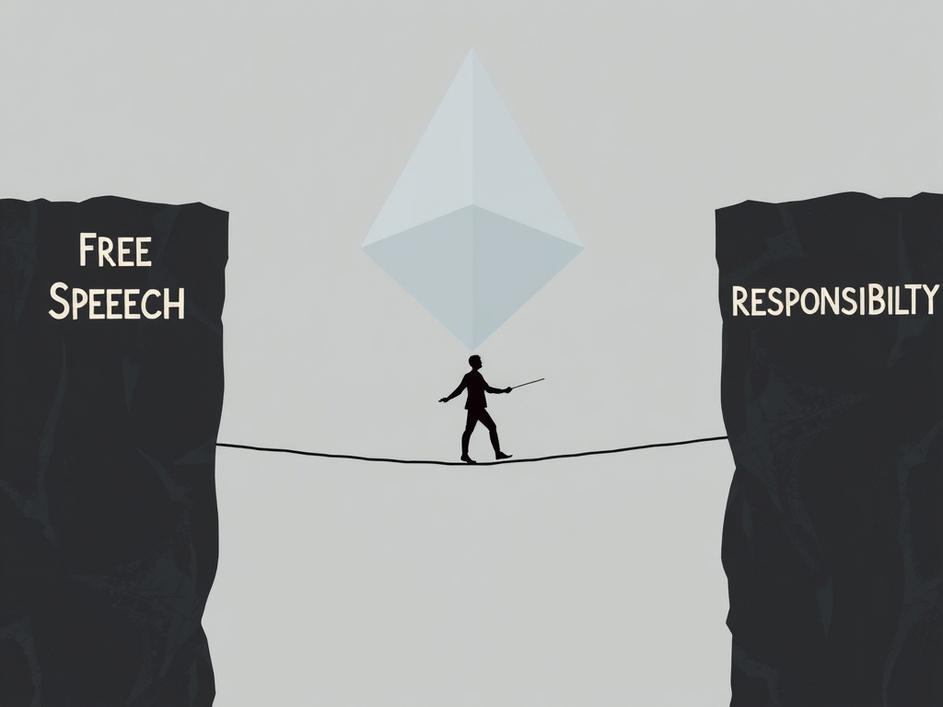
Vitalik Buterin, a prominent figure in the Ethereum world, recently found himself in the middle of a debate after using the term “corposlop” to describe certain projects. This term, not exactly flattering, sparked discussions about the line between personal opinions and the responsibilities that come with being a highly influential person in a decentralized space. He has defended his comments, clarifying that his criticisms are separate from his role in Ethereum’s development. The issue boils down to this: Can someone like Vitalik, whose words carry significant weight, freely express negative opinions without those opinions being misconstrued as an official stance or, worse, market manipulation?
One of the core tenets of blockchain technology, particularly for platforms like Ethereum, is protocol neutrality. This means the underlying technology should be unbiased and treat all applications equally. Buterin has consistently championed this principle. However, he also maintains his right to personal expression. The challenge arises when these two collide. When Buterin criticizes a project, even if he frames it as a personal opinion, it inevitably carries more weight than if an average user voiced the same concerns. People listen because of his deep understanding and influence within the Ethereum ecosystem. Therefore, the market might react, and projects could feel unfairly targeted.
It’s undeniable that Vitalik has immense power and influence. His tweets, blog posts, and public statements are closely followed by developers, investors, and enthusiasts. This attention is a double-edged sword. On one hand, it allows him to guide the community, promote valuable projects, and raise awareness about potential scams or poorly designed systems. On the other hand, it places a significant burden on him to be mindful of how his words might be interpreted and acted upon. It also raises questions about whether individuals with such concentrated influence can truly separate their personal views from their platform.
The entire concept of decentralization aims to distribute power away from central figures and institutions. Yet, in reality, certain individuals often become de facto leaders or spokespeople. Vitalik’s situation highlights this inherent tension. While he advocates for decentralization, his own prominence inevitably creates a hierarchical dynamic. This isn’t necessarily a criticism of Vitalik himself, but rather a reflection of the challenges inherent in building decentralized systems within a world accustomed to centralized authority. The crypto space is still relatively young, so it is struggling to find a balance between completely free speech and some level of responsibility or accountability, especially for those in prominent positions.
So, what’s the solution? There isn’t an easy answer. Censorship is definitely not the answer. It goes against the fundamental principles of free speech and open discourse that are essential for innovation. However, completely unfettered expression, without any consideration for the potential impact, could also be detrimental. Perhaps the answer lies in increased transparency and clear disclaimers. When expressing opinions, influential figures like Vitalik could explicitly state that these are personal views and not official endorsements or condemnations. Furthermore, the community needs to develop a more critical mindset, avoiding blind faith in any single individual, regardless of their expertise or reputation. Ultimately, creating a truly decentralized and resilient ecosystem requires a shift away from relying on central figures and towards empowering a diverse range of voices and perspectives. The market also has a responsibility to consider comments with a grain of salt, and not blindly react to the opinions of a single person.
The “corposlop” incident is just a microcosm of a larger issue. As the cryptocurrency and blockchain space matures, it’s crucial to grapple with questions of power, influence, and responsibility. How do we ensure that decentralization remains a guiding principle, even as certain individuals gain prominence? How do we foster a culture of open debate and critical thinking, while also mitigating the potential for manipulation and abuse? These are not easy questions, but they are essential for the long-term health and sustainability of the decentralized revolution. The incident calls for deeper thinking about responsibility within decentralized ecosystems. While Buterin has the right to speak his mind, the question of how such speech affects the market and community remains open for discussion. As crypto evolves, so must the understanding of influence and responsibility within it.



Comments are closed