

We are a digital agency helping businesses develop immersive, engaging, and user-focused web, app, and software solutions.
2310 Mira Vista Ave
Montrose, CA 91020

2500+ reviews based on client feedback
What's Included?
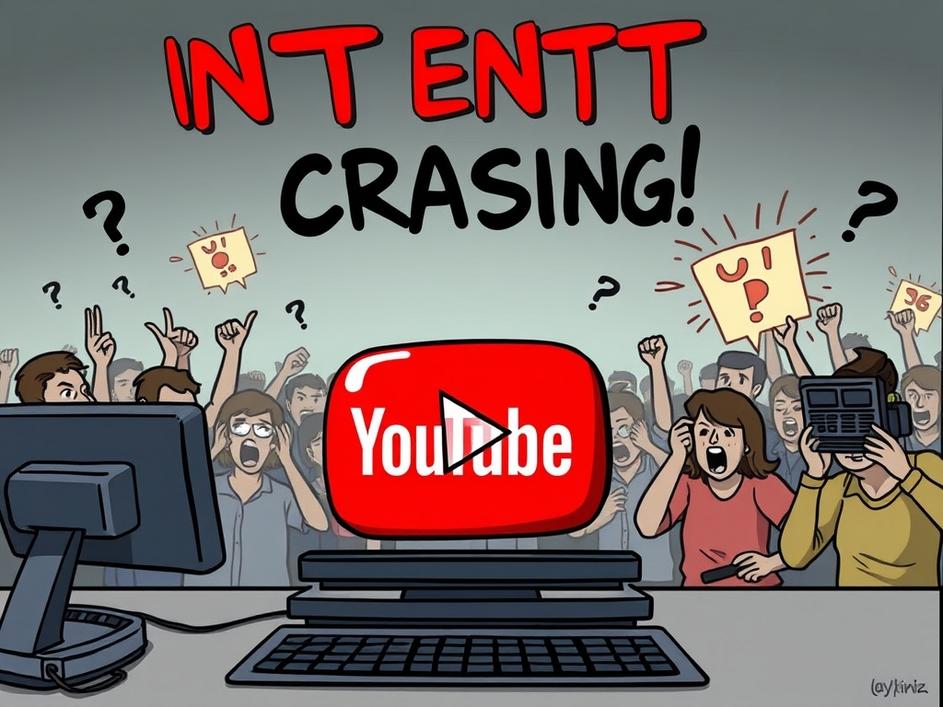
ToggleSo, Tuesday morning rolled around, and for a brief, terrifying moment, it felt like the internet itself was staging a revolt. YouTube, the digital home of cat videos, music tutorials, and questionable conspiracy theories, appeared to be down. Thousands upon thousands of users flocked to other platforms, ironically including Twitter (now X), to confirm their worst fears: YouTube had vanished, displaying only error messages where endless content usually resided. The collective online gasp was palpable. It was a digital disruption that reminded everyone just how much we rely on this video-sharing giant.
The reports started trickling in, then quickly escalated into a flood. Users across the globe reported being unable to access the YouTube homepage. Instead of the familiar grid of recommended videos, they were met with error messages, blank screens, or pages that simply refused to load. Social media exploded with complaints, questions, and, of course, memes. The hashtag #YouTubeDown quickly began trending, uniting frustrated viewers in their shared digital isolation. The silence from YouTube itself only fueled the frenzy, leaving users to speculate about the cause of the outage and the potential duration of this unwelcome interruption.
The internet’s reaction was, predictably, overblown. Some users lamented the loss of their daily dose of entertainment, while others worried about the impact on content creators who rely on YouTube for their income. A few even jokingly suggested that the outage was a sign of the impending apocalypse. But beneath the humor and hyperbole, there was a genuine sense of unease. YouTube has become such an integral part of our lives that its absence, even for a short period, can feel strangely disorienting. It’s a testament to the platform’s dominance and the extent to which we’ve come to depend on it for information, entertainment, and connection.
While YouTube remained tight-lipped about the specific cause of the outage, speculation ran rampant. Some theorized a massive DDoS attack, while others pointed to a potential server malfunction or a software glitch. It’s also possible that a routine update or maintenance procedure went awry, resulting in unexpected downtime. Whatever the reason, the incident served as a stark reminder of the fragility of even the most robust online platforms. These digital giants are not immune to technical difficulties, and even brief outages can have a significant impact on users worldwide.
Beyond the inconvenience for casual viewers, the YouTube outage also raised concerns about the impact on content creators. For many YouTubers, the platform is their primary source of income, and any disruption to the service can have a direct financial impact. During the outage, creators were unable to upload new videos, engage with their audience, or monitor their channel performance. This period of uncertainty highlighted the dependence of the creator economy on a single platform and the need for creators to diversify their revenue streams.
While users clamored for information, YouTube’s official response was slow and somewhat vague. The company acknowledged the issue on social media, but offered little in the way of explanation or a timeline for resolution. This lack of transparency only added to the frustration and fueled further speculation. Eventually, after a period of downtime, YouTube gradually began to restore service to users. The crisis was averted, but the incident left many wondering about the platform’s resilience and its communication strategy during times of crisis.
The YouTube outage, while brief, served as a valuable reminder of the interconnectedness and fragility of the internet. It demonstrated our collective dependence on a handful of major platforms and the potential consequences of even a short period of downtime. For users, it was a wake-up call to appreciate the convenience and accessibility of online services, while also recognizing the importance of diversifying their entertainment and information sources. For YouTube and other tech giants, it was a reminder of the need for robust infrastructure, transparent communication, and effective disaster recovery plans.
So, what does this all mean going forward? The YouTube incident underscores the need for constant vigilance and improvement in the world of online infrastructure. Companies need to invest in redundancy, develop clear communication strategies for outages, and be prepared to respond quickly to unforeseen problems. Users, too, can take steps to protect themselves by diversifying their reliance on any single platform. Ultimately, the goal is to build a more resilient and reliable internet that can withstand the inevitable challenges of the digital age. While the outage was a pain, it highlighted the necessity of reliable infrastructure and communication. We will see if YouTube is more transparent in the future.


Comments are closed