

We are a digital agency helping businesses develop immersive, engaging, and user-focused web, app, and software solutions.
2310 Mira Vista Ave
Montrose, CA 91020

2500+ reviews based on client feedback
What's Included?
ToggleArtificial intelligence is no longer a futuristic concept; it’s here, it’s now, and it’s rapidly reshaping the world. From self-driving cars to medical diagnoses, AI is making inroads into nearly every aspect of our lives. But the development of these powerful AI models is not evenly distributed across the globe. Right now, a handful of major players, mostly based in the United States, dominate the field. Companies like OpenAI, the creator of ChatGPT, and Anthropic, known for its Claude AI assistant, are setting the pace, leaving many other nations playing catch-up. This raises a crucial question: can other countries, particularly India, develop their own AI models that can compete on a global stage?
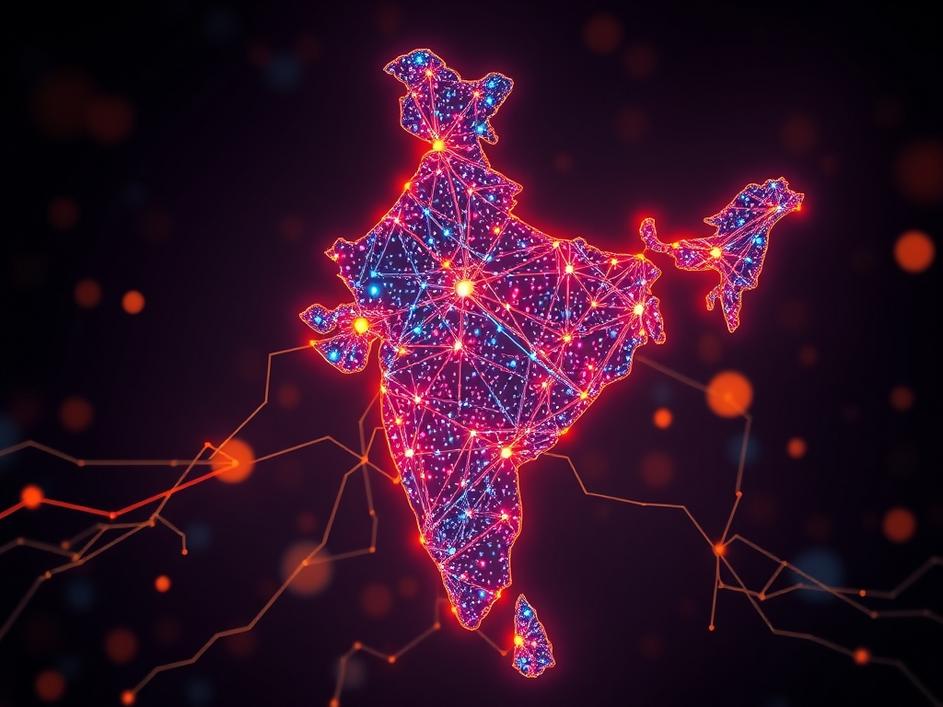
India’s recent AI Impact Summit wasn’t just another tech conference. It was a clear signal of India’s ambition to become a significant player in the AI arena. The summit highlighted the country’s growing investment in AI research and development, but more importantly, it focused on the creation of indigenous AI models. India recognizes that relying solely on foreign-developed AI could have serious implications for its data security, economic growth, and cultural identity. If India wants to truly reap the benefits of AI, it needs to have its own models, trained on its own data, and tailored to its own specific needs. This is a monumental challenge, but one that India seems determined to tackle head-on.
One potential advantage that India possesses is its massive population and the vast amount of data it generates. AI models thrive on data, and India has it in abundance. However, this data advantage comes with its own set of challenges. Much of the data in India is unstructured, fragmented, and not easily accessible. Furthermore, concerns about data privacy and security need to be addressed before this data can be effectively used to train AI models. India needs to invest in infrastructure and policies that enable the responsible and ethical use of its data resources if it hopes to turn this potential advantage into a real one.
Another crucial factor in India’s AI ambitions is its talent pool. India has a large and growing number of engineers, scientists, and data analysts who could potentially contribute to the development of AI models. However, simply having a large number of people is not enough. India needs to invest in education and training programs that equip its workforce with the specific skills and knowledge required to build and maintain cutting-edge AI systems. This includes not only technical skills but also expertise in areas like ethics, law, and policy, which are essential for ensuring that AI is developed and used responsibly.
India faces a number of significant hurdles in its quest to become an AI powerhouse. These include limited access to computing power, a lack of investment in basic research, and regulatory uncertainty. Competing with global giants like OpenAI and Anthropic will require a concerted effort from government, industry, and academia. But the opportunities are also immense. AI has the potential to transform India’s economy, improve the lives of its citizens, and address some of its most pressing challenges, from poverty and inequality to climate change and healthcare. If India can overcome the obstacles and harness its strengths, it could emerge as a major force in the global AI landscape. The key will be focusing on its unique strengths, leveraging its vast data resources responsibly, nurturing its talent pool, and creating a supportive ecosystem for AI innovation.
While the focus is often on competition, it’s crucial to remember that collaboration is also essential. India can benefit from collaborating with other countries and organizations that are leading the way in AI research and development. By sharing knowledge, resources, and best practices, India can accelerate its progress and avoid reinventing the wheel. Furthermore, India can contribute its own unique perspectives and insights to the global AI community, particularly in areas like AI ethics and the development of AI solutions for emerging markets. The future of AI is not about one country dominating the field, but about working together to create AI that benefits all of humanity.
Ultimately, India’s AI ambitions are not just about economic growth or technological prowess. They are about creating a better future for its citizens and for the world. By developing AI models that are aligned with its values and priorities, India can ensure that AI is used to promote social good, protect individual rights, and address the challenges facing humanity. This is a vision that is worth striving for, and one that could inspire other countries to pursue their own AI ambitions in a responsible and ethical manner.



Comments are closed