

We are a digital agency helping businesses develop immersive, engaging, and user-focused web, app, and software solutions.
2310 Mira Vista Ave
Montrose, CA 91020

2500+ reviews based on client feedback
What's Included?
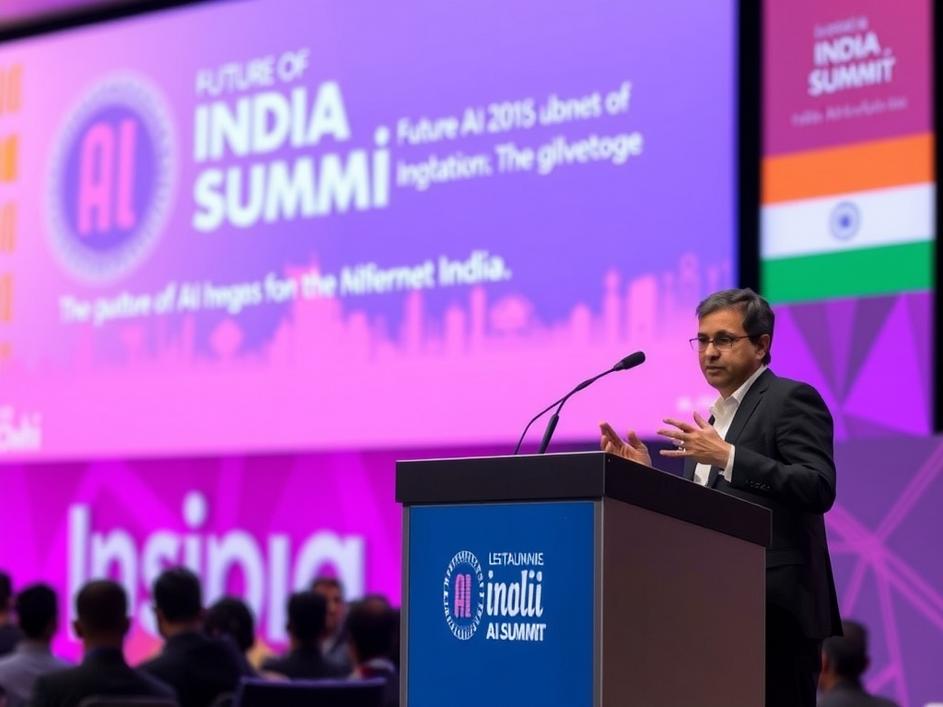
ToggleDemis Hassabis, the CEO of Google DeepMind, recently delivered a keynote address at the India AI Summit in New Delhi. This wasn’t just another tech conference speech; it was a significant moment highlighting India’s growing importance in the global AI landscape. Hassabis, a leading figure in artificial intelligence, shared his perspectives on the future of AI and its potential impact on India. The summit itself served as a platform for discussions on how AI can be used to address various challenges and opportunities within the country, from economic development to healthcare advancements.
India is rapidly becoming a hub for AI innovation, driven by its large talent pool, increasing internet penetration, and government initiatives promoting digital transformation. The India AI Summit underscores the nation’s commitment to playing a leading role in the AI revolution. Hassabis’s presence at the summit signals the recognition of India’s potential by global AI leaders. His keynote likely touched upon the importance of fostering collaboration between researchers, policymakers, and industry players to ensure responsible and inclusive AI development.
DeepMind, known for its groundbreaking work in AI, particularly in areas like AlphaGo and protein folding, has consistently emphasized the potential of AI to solve some of the world’s most pressing problems. Hassabis’s keynote likely elaborated on this vision, highlighting how AI can be applied to address challenges specific to India, such as improving agricultural practices, enhancing healthcare accessibility, and optimizing resource management. This focus on societal good aligns with the growing global awareness of the ethical implications of AI and the need for responsible development.
While the potential of AI is undeniable, the summit also likely addressed the practical challenges of implementing AI solutions in India. These challenges include data availability and quality, infrastructure limitations, and the need for skilled AI professionals. Hassabis may have offered insights into how DeepMind approaches these challenges and shared strategies for overcoming them. Furthermore, the discussion would probably touch upon the requirement for careful consideration of the societal impact of AI systems, to avoid bias and discrimination. It’s not enough to simply build these things, but we need to be careful about how we do it.
The India AI Summit and Hassabis’s keynote represent a pivotal moment in India’s AI journey. The country’s commitment to innovation, combined with the expertise and resources of companies like DeepMind, creates a promising landscape for AI development. However, realizing the full potential of AI in India requires a collaborative effort involving government, academia, industry, and civil society. The summit served as a crucial platform for fostering such collaboration and setting the stage for a future where AI contributes to India’s sustainable and inclusive development.
Of course, it is impossible to talk about AI without talking about its ethical considerations. It’s not simply enough to make something work – it needs to work for everyone, not just a select few. And India, with its massive population and diverse needs, is perhaps the perfect place to discuss this. How do we ensure that AI algorithms are fair and unbiased? How do we protect people’s data and privacy in an increasingly data-driven world? These are important considerations, and should be top of mind for everyone involved in creating AI.
Another very important thing to consider is education and skills. As AI takes on more tasks, people will need to learn new skills and ways of working. This doesn’t necessarily mean everyone needs to become a programmer, but it does mean understanding how AI works and how to use it effectively. India has a huge opportunity to train its young people in AI-related skills, and this can create a whole new generation of tech workers and innovators. By investing in education and training, India can ensure that its people are ready for the future of work.
Looking ahead, the vision for AI in India is one of progress and prosperity. By addressing the challenges and harnessing the opportunities, India can use AI as a tool for economic growth, social development, and environmental sustainability. It will require a long-term commitment, but the potential rewards are immense. The India AI Summit and the involvement of global leaders like Demis Hassabis signal that India is on the right track. But, the real work is only just beginning.


Comments are closed