

We are a digital agency helping businesses develop immersive, engaging, and user-focused web, app, and software solutions.
2310 Mira Vista Ave
Montrose, CA 91020

2500+ reviews based on client feedback
What's Included?
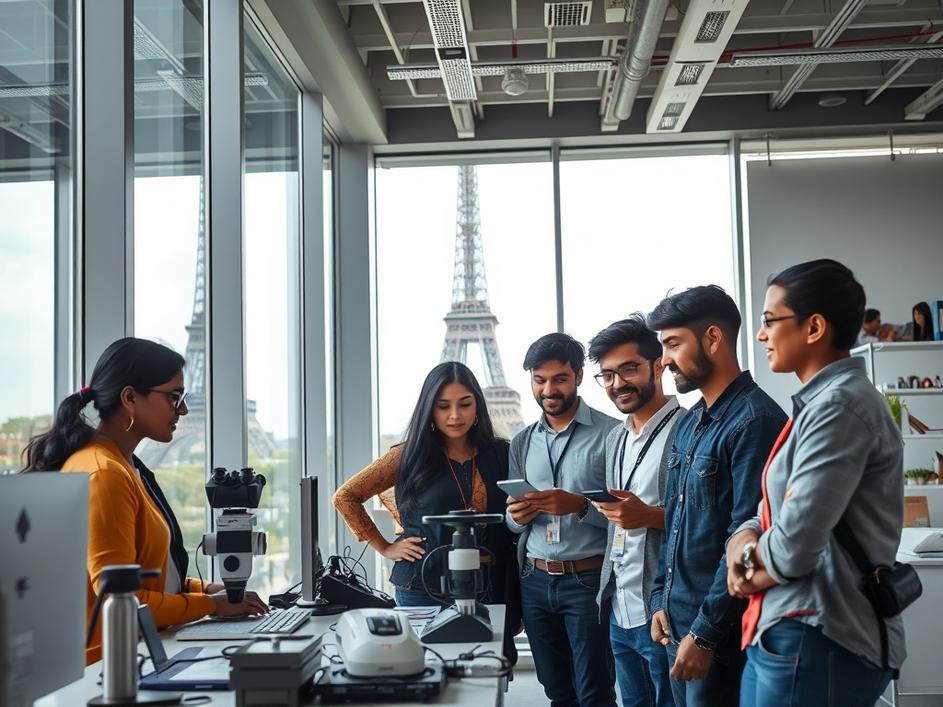
ToggleFrench President Emmanuel Macron’s recent trip to India signals a deeper collaboration between the two nations, focusing on artificial intelligence and education. Macron’s visit included discussions at the All India Institute of Medical Sciences in New Delhi, highlighting the importance of healthcare in this partnership. But what does this mean for the future of AI development and international student exchange?
Macron emphasized the need for stronger ties in artificial intelligence, a field rapidly transforming industries worldwide. This collaboration could involve sharing research, developing joint projects, and fostering talent exchange. India’s strong IT sector combined with France’s AI research capabilities creates a powerful synergy. Imagine the possibilities: new medical diagnostics, smarter infrastructure solutions, and advancements in sustainable technology all fueled by this Franco-Indian collaboration. This is a smart move for both countries. France gets access to a massive talent pool, and India gains valuable expertise and resources in a cutting-edge field.
A key highlight of Macron’s visit was the invitation extended to 30,000 Indian students to pursue their education in France. This is a significant commitment that promises to enrich both nations. For Indian students, it offers an opportunity to study at prestigious French universities, experience a different culture, and broaden their horizons. For France, it means attracting talented individuals who can contribute to their economy and society. France has always been a popular study destination but this offer might create a new era. The question is, will the infrastructures cope with such an increase of students?
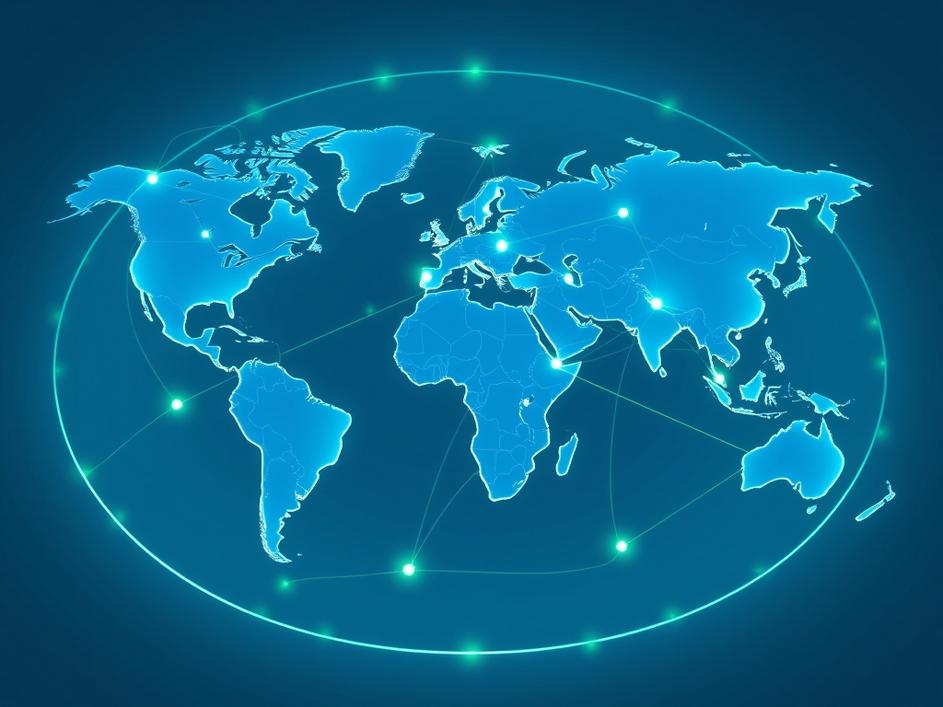
While the headlines focus on AI and student exchanges, there’s a broader strategic context to consider. France and India share common interests in areas such as defense, climate change, and global governance. Strengthening ties in AI and education helps to solidify this partnership and creates a foundation for future cooperation. Think of it as building bridges. The more connections you have, the stronger the relationship becomes. This move is not just about immediate gains; it’s about building a long-term alliance.
Of course, any international collaboration comes with its challenges. Differences in culture, language, and regulatory frameworks can create obstacles. Successfully integrating 30,000 Indian students into the French education system will require careful planning and resources. Ensuring fair access and addressing potential visa issues are also crucial. These challenges are not insurmountable, but they require attention and proactive solutions. Clear communication and a willingness to adapt are key to navigating these potential hurdles.
Macron’s initiative speaks to a larger trend: the increasing globalization of education. As the world becomes more interconnected, the movement of students and knowledge across borders becomes essential. International collaborations like this one not only benefit the participating countries but also contribute to a more diverse and innovative global community. By fostering cross-cultural understanding and knowledge sharing, we can address some of the world’s most pressing challenges. It’s a win-win situation for everyone involved.
The long-term impacts of this initiative are far-reaching. A stronger Franco-Indian partnership in AI could lead to groundbreaking innovations that benefit society as a whole. The influx of Indian students into French universities could create a more diverse and vibrant academic environment. However, it’s important to consider the potential implications for the Indian education system. Will this lead to a brain drain, with talented individuals choosing to stay in France after graduation? Addressing this concern will require efforts to create attractive opportunities for these students to return to India and contribute to their own country’s development. Perhaps similar offers can be made to students once they graduate.
President Macron’s visit to India has laid the groundwork for a stronger and more dynamic partnership between the two nations. By focusing on AI and education, France and India are investing in their future and contributing to a more interconnected world. While challenges undoubtedly exist, the potential benefits of this collaboration are immense. It will be interesting to watch how this partnership evolves and the impact it has on both countries and the global landscape. This could lead to future collaboration between other nations as well.
Comments are closed