

We are a digital agency helping businesses develop immersive, engaging, and user-focused web, app, and software solutions.
2310 Mira Vista Ave
Montrose, CA 91020

2500+ reviews based on client feedback
What's Included?
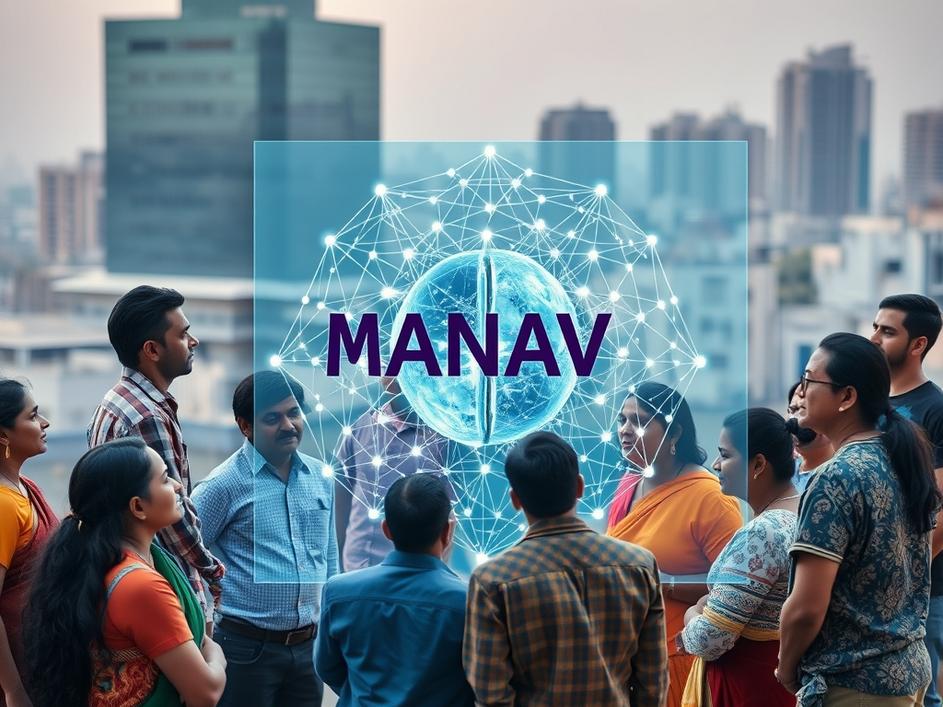
ToggleArtificial intelligence is rapidly changing the world, and India doesn’t want to be left behind. Prime Minister Modi recently presented India’s “MANAV Vision for AI,” outlining a plan that prioritizes a human-centric approach to AI development and governance. This isn’t just about creating powerful technology; it’s about ensuring that AI benefits everyone and aligns with India’s values. The name “MANAV” itself, meaning “human” in Sanskrit, underscores this core principle. This approach is interesting because many countries and companies are rushing head-first into AI, without as much consideration for the ethical and societal implications.
So, what exactly does a “human-centric” AI strategy look like? It means focusing on AI applications that address real-world problems faced by people in India, such as improving healthcare, agriculture, and education. It also involves developing AI systems that are transparent, accountable, and fair. The goal isn’t simply to automate tasks or generate profits, but to empower people and improve their lives. A key component will likely involve skills training and education programs to prepare the Indian workforce for the changes AI will bring. The government seems to understand that AI isn’t just about fancy algorithms; it’s about people.
One of the most crucial aspects of the MANAV vision is the emphasis on ethical considerations. AI has the potential to perpetuate biases, discriminate against certain groups, and even be used for malicious purposes. To prevent these outcomes, India’s AI strategy will likely incorporate guidelines and regulations that promote fairness, transparency, and accountability. This might involve creating independent oversight bodies or establishing ethical review boards to assess the potential impact of AI systems before they are deployed. It’s a proactive approach that recognizes the potential risks of AI and seeks to mitigate them from the outset. For instance, the government could promote explainable AI, so people understand how AI systems arrive at their decisions, rather than black box algorithms.
India’s human-centric approach to AI could also have significant implications for the rest of the world. As a major player on the global stage, India’s choices regarding AI development will influence how other countries approach this technology. If India can successfully demonstrate that AI can be developed and deployed in a responsible and ethical manner, it could serve as a model for other nations. This is particularly important for developing countries, which may be more vulnerable to the negative impacts of AI. India has a chance to be a leader in promoting a more inclusive and equitable vision of AI’s future.
Of course, implementing the MANAV vision won’t be easy. India faces numerous challenges, including a shortage of skilled AI professionals, limited access to data, and inadequate infrastructure. Overcoming these obstacles will require significant investment in education, research, and development. But the potential rewards are enormous. If India can successfully harness the power of AI while upholding its commitment to human values, it could unlock unprecedented opportunities for economic growth, social progress, and global leadership. Moreover, India’s diverse population and unique cultural context could lead to the development of AI solutions that are relevant and beneficial to people around the world. It’s an ambitious vision, but one that’s worth pursuing.
The MANAV vision is not just a set of policy statements; it’s a call to action. It requires collaboration between government, industry, academia, and civil society to create an AI ecosystem that is both innovative and responsible. This means fostering a culture of open dialogue, promoting ethical awareness, and investing in the development of AI talent. It also means ensuring that AI systems are accessible to everyone, regardless of their background or socioeconomic status. By working together, India can build a foundation for a future where AI empowers people and improves their lives.
Finding the right balance between encouraging innovation and ensuring ethical oversight will be crucial. Too much regulation could stifle creativity and slow down the development of AI technologies. Too little regulation could lead to unintended consequences and exacerbate existing inequalities. The key is to create a regulatory framework that is flexible, adaptable, and evidence-based. This might involve using sandboxes or pilot projects to test new AI applications in a controlled environment before they are rolled out on a larger scale. It also means continuously monitoring the impact of AI systems and making adjustments as needed.
Ultimately, the success of India’s AI strategy will depend on its ability to keep the human element at the center of its efforts. AI should be seen as a tool to augment human capabilities, not replace them. It should be used to empower people, not control them. And it should be developed and deployed in a way that is consistent with human values and ethical principles. By embracing this human-centric approach, India can ensure that AI benefits everyone and contributes to a more just and equitable world. It’s a challenging but important goal, and one that deserves our attention and support.



Comments are closed