

We are a digital agency helping businesses develop immersive, engaging, and user-focused web, app, and software solutions.
2310 Mira Vista Ave
Montrose, CA 91020

2500+ reviews based on client feedback
What's Included?
ToggleOnline education is evolving, and it’s not just about moving classrooms to the internet anymore. Think artificial intelligence, personalized learning paths, and a strong focus on getting you ready for a specific career. Jamie Smith, the Chief Information Officer at the University of Phoenix, recently shared her insights on a national podcast called “The Rant,” discussing how technology is reshaping the educational experience for adult learners.
Smith highlighted the increasing integration of AI in online education. This isn’t about robots teaching classes. Instead, AI is being used to personalize learning experiences. Imagine an AI system that analyzes your strengths and weaknesses, then creates a study plan tailored just for you. It could identify areas where you’re struggling and provide extra support or resources. This kind of personalized learning can make a big difference, especially for adults juggling work, family, and school.
Student-centered innovation is another key theme. What does this mean? It means designing educational programs and technology with the specific needs of adult learners in mind. For example, online platforms need to be easy to use and accessible on different devices. Course materials should be relevant and engaging, reflecting the real-world challenges that adults face in their careers. Smith emphasized that technology should empower students, not overwhelm them.
A major focus is aligning online education with specific career goals. It’s not enough to just earn a degree; you need to gain skills and knowledge that employers are actually looking for. This means working closely with industry partners to understand their needs and developing courses that teach those in-demand skills. Think practical projects, simulations, and real-world case studies that prepare you to hit the ground running after graduation. Smith pointed out that this career-focused approach is essential for helping adult learners advance in their careers.
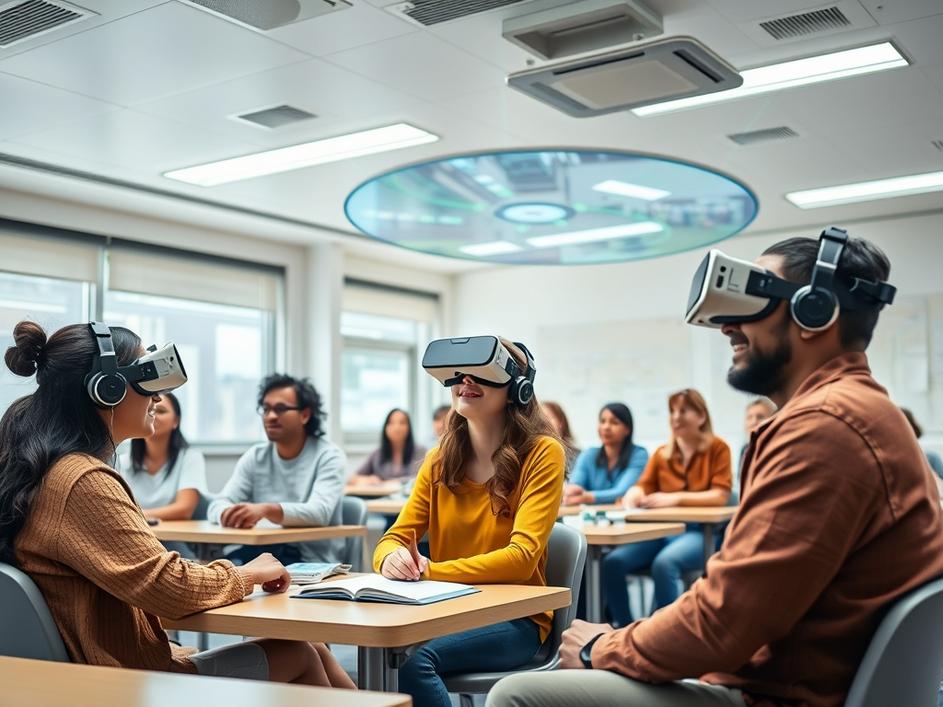
The discussion also touched on the future of online education. We’re moving beyond the traditional classroom model to create more flexible, personalized, and engaging learning environments. This could include virtual reality simulations, augmented reality experiences, and more interactive learning platforms. The goal is to create a learning experience that is not only effective but also enjoyable. Adult learners have busy lives, so making education accessible and engaging is crucial.
While technology offers tremendous potential, it’s important to acknowledge the digital divide. Not everyone has equal access to technology or the internet. Educational institutions need to address this issue by providing resources and support to students who lack access. This could include offering loaner laptops, providing internet access, and offering technical support. Smith stressed that ensuring equitable access to technology is essential for creating a truly inclusive learning environment.
Despite the increasing role of technology, the importance of human connection in online education cannot be overlooked. Students still need opportunities to connect with instructors and fellow learners. This could include online discussion forums, virtual office hours, and group projects. Smith emphasized that fostering a sense of community is essential for creating a supportive and engaging learning environment. Technology should enhance human interaction, not replace it.
As technology transforms online education, the role of educators is also evolving. Instructors are no longer just lecturers; they are facilitators, mentors, and guides. They need to be proficient in using technology to create engaging learning experiences. They also need to be able to provide personalized support and feedback to students. Smith noted that ongoing professional development is essential for ensuring that educators are equipped to meet the challenges and opportunities of the digital age.
The integration of AI, the focus on student-centered innovation, and the alignment of education with career goals are all positive developments for adult learners. Online education is becoming more personalized, more engaging, and more relevant to the needs of the modern workforce. As technology continues to evolve, we can expect even more exciting innovations in the years to come. The future of online education is bright, and it offers tremendous opportunities for adults to achieve their educational and career goals. The key is to ensure equitable access, foster human connection, and empower educators to embrace new technologies.
Ultimately, the future of online education hinges on a thoughtful integration of technology with human-centered design. It’s not just about using the latest gadgets, but about using technology to create a more effective, engaging, and equitable learning experience for all adult learners. By prioritizing student needs, fostering a sense of community, and empowering educators, we can unlock the full potential of online education and help adults achieve their dreams.



Comments are closed