

We are a digital agency helping businesses develop immersive, engaging, and user-focused web, app, and software solutions.
2310 Mira Vista Ave
Montrose, CA 91020

2500+ reviews based on client feedback
What's Included?
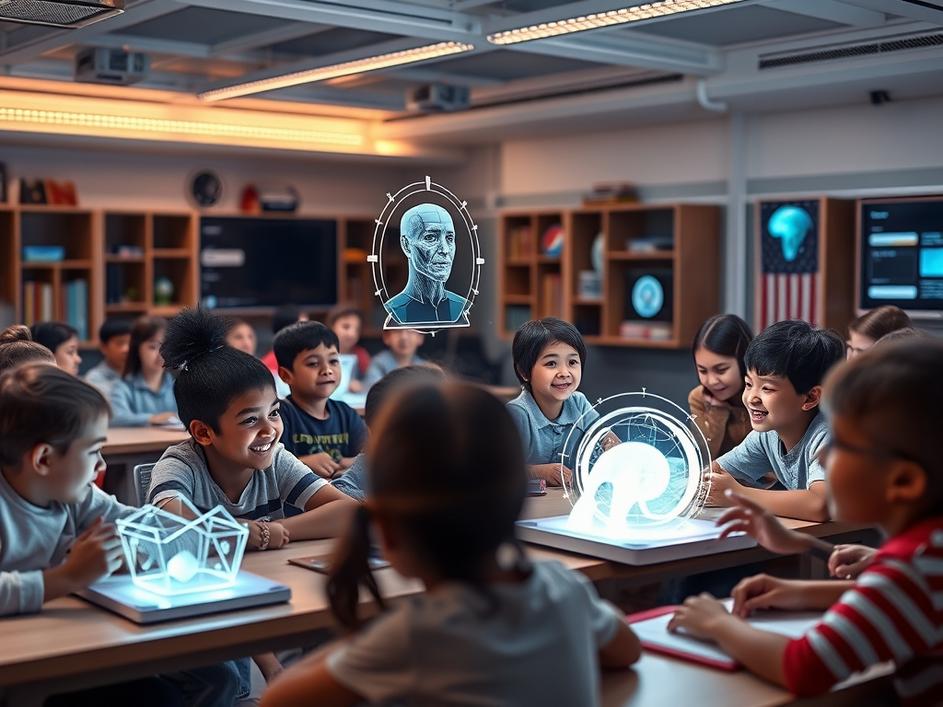
ToggleChief Minister Chandrababu Naidu recently announced an ambitious plan to introduce AI-powered tutoring programs for students. This isn’t just a minor tweak to the current education system; it’s a potentially massive shift towards personalized learning experiences, aiming to make quality education accessible to a wider range of students. The promise is tantalizing: imagine every child having access to a customized learning experience tailored to their individual needs and pace.
So, what exactly does AI tutoring entail? It’s more than just replacing teachers with robots. The idea is to create intelligent systems that can assess a student’s strengths and weaknesses, adapt to their learning style, and provide personalized guidance. These AI tutors can offer instant feedback, identify knowledge gaps, and provide targeted support where it’s needed most. Think of it as having a patient, tireless tutor available 24/7, always ready to help.
The potential benefits of this initiative are enormous. One of the biggest advantages is accessibility. AI tutors can reach students in remote areas or those who may not have access to quality educational resources. This can help bridge the educational gap and provide equal opportunities for all. Furthermore, AI’s ability to personalize learning is a huge draw. Traditional classrooms often struggle to cater to the diverse needs of every student. AI tutors, on the other hand, can adapt to each student’s unique learning style, ensuring that they receive the support they need to succeed. This personalized approach could lead to improved academic performance, increased engagement, and a greater love of learning.
Of course, with any technological advancement in education, there are legitimate concerns to address. One of the biggest is the potential loss of human connection. Education is not just about acquiring knowledge; it’s also about developing social skills, building relationships, and learning from human mentors. It’s crucial to ensure that AI tutors complement, rather than replace, the role of teachers. Teachers can focus on fostering creativity, critical thinking, and collaboration, while AI tutors can provide personalized support and fill in knowledge gaps. Finding the right balance between technology and human interaction will be key to the success of this initiative. It’s also vital that data privacy and security are taken seriously. Protecting student data and ensuring that AI algorithms are fair and unbiased are essential considerations.
Chandrababu’s vision for AI-powered education is a bold step towards a smarter future. While there are challenges to overcome, the potential benefits are undeniable. By leveraging the power of AI, we can create a more equitable and personalized education system that empowers all students to reach their full potential. This initiative could serve as a model for other regions looking to transform their education systems and prepare students for the challenges and opportunities of the 21st century. We must remember, though, that technology is just a tool. Its success hinges on how we implement it, how we train educators to use it effectively, and how we ensure that it serves the best interests of our students.
The practical implementation of AI tutoring will be critical. It’s not enough to simply deploy the technology; careful consideration must be given to teacher training, curriculum integration, and ongoing evaluation. Teachers need to be equipped with the skills and knowledge to effectively use AI tutors and integrate them into their teaching practices. The curriculum needs to be adapted to take advantage of the personalized learning opportunities that AI provides. And, importantly, the effectiveness of AI tutoring programs needs to be continuously evaluated to ensure that they are actually benefiting students. This means collecting data, analyzing results, and making adjustments as needed. The journey will be iterative, requiring constant learning and adaptation.
Beyond the practical aspects, ethical considerations must be at the forefront of this initiative. AI algorithms are only as good as the data they are trained on. If the data is biased, the AI will be biased, which could lead to unfair or discriminatory outcomes. Ensuring fairness and transparency in AI algorithms is crucial. Moreover, data privacy is paramount. Student data must be protected from unauthorized access and misuse. Strong data privacy policies and safeguards are essential to maintain trust and ensure that students’ rights are protected. Transparency about how data is being used is also critical. Parents and students should have the right to know what data is being collected, how it is being used, and who has access to it.
The introduction of AI tutoring has broader implications for society as a whole. As AI becomes more prevalent in education, it’s important to consider how it will shape the future of work and the skills that students will need to succeed. Preparing students for a world where AI is ubiquitous requires a shift in focus from rote memorization to critical thinking, problem-solving, and creativity. It also requires a greater emphasis on skills that are uniquely human, such as empathy, communication, and collaboration. By fostering these skills, we can ensure that students are well-prepared for the challenges and opportunities of the AI-driven future. The potential is there to make a real difference in the lives of countless young people.
In conclusion, Chandrababu’s initiative to introduce AI tutoring represents a bold vision for the future of education. While challenges remain, the potential benefits are undeniable. By embracing technology, addressing ethical concerns, and prioritizing human connection, we can create a learning environment where every student has the opportunity to thrive. This could be a defining moment, not just for education, but for the future of our society. It’s a vision worth pursuing, but only with careful thought, planning, and a commitment to doing what’s best for our children.


Comments are closed