

We are a digital agency helping businesses develop immersive, engaging, and user-focused web, app, and software solutions.
2310 Mira Vista Ave
Montrose, CA 91020

2500+ reviews based on client feedback
What's Included?
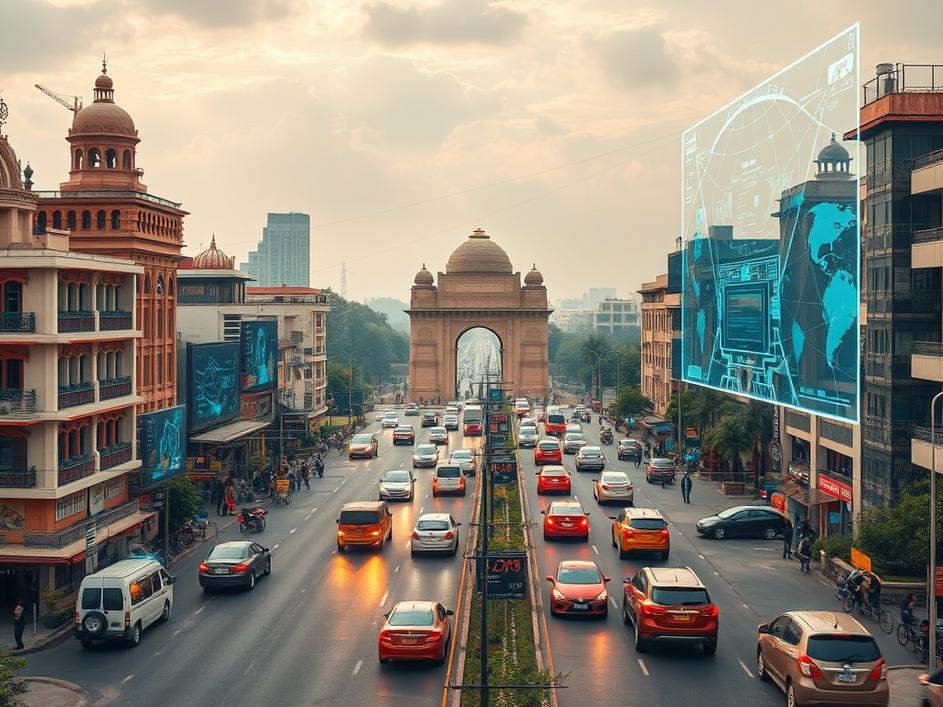
TogglePrime Minister Narendra Modi recently laid out his vision for India to become a major global hub for artificial intelligence. This isn’t just about tech hype; it’s a strategic play with potential implications for the entire world. Modi’s push comes at a time when AI is rapidly changing industries and societies, making it a crucial area for any nation wanting to stay competitive. The question is, can India realistically achieve this ambitious goal, and what would it mean if it did?
Modi’s message was clear: India wants to be at the forefront of AI development and deployment. He highlighted India’s strengths, including its large pool of tech talent, its growing digital infrastructure, and its commitment to innovation. But having ambition and resources isn’t always enough. Turning India into an AI powerhouse will require overcoming significant challenges, from addressing data privacy concerns to ensuring equitable access to AI technologies across the country.
India does possess several advantages in the AI race. The country boasts a massive, young population with a growing interest in technology. This demographic dividend, coupled with a thriving IT sector, provides a strong foundation for AI development. Furthermore, the government’s push for digital transformation, including initiatives like Digital India, is creating the necessary infrastructure for AI to flourish. And, English being widely spoken certainly helps with collaboration and adopting new technologies. However, these are just building blocks; they need to be carefully assembled to create a robust AI ecosystem.
Despite its potential, India faces hurdles in its pursuit of AI leadership. One major challenge is the digital divide. While urban areas have seen rapid technological advancements, many rural communities still lack access to basic internet connectivity and digital literacy. This disparity could prevent a significant portion of the population from benefiting from AI and could even exacerbate existing inequalities. Furthermore, India needs to address concerns around data privacy and security to build public trust in AI technologies. A robust regulatory framework is essential to ensure that AI is used ethically and responsibly.
The development of AI isn’t just a technological issue; it’s also a social and ethical one. As AI becomes more integrated into our lives, it’s crucial to consider its impact on employment, fairness, and human autonomy. India, with its diverse social fabric, needs to ensure that AI is developed and deployed in a way that promotes inclusivity and reduces bias. This requires investing in education and training programs that equip people with the skills needed to navigate the changing job market, as well as establishing ethical guidelines for AI development that are rooted in Indian values and traditions. India also needs to build capacity for AI safety research, which is focused on preventing unintended consequences of advanced AI systems.
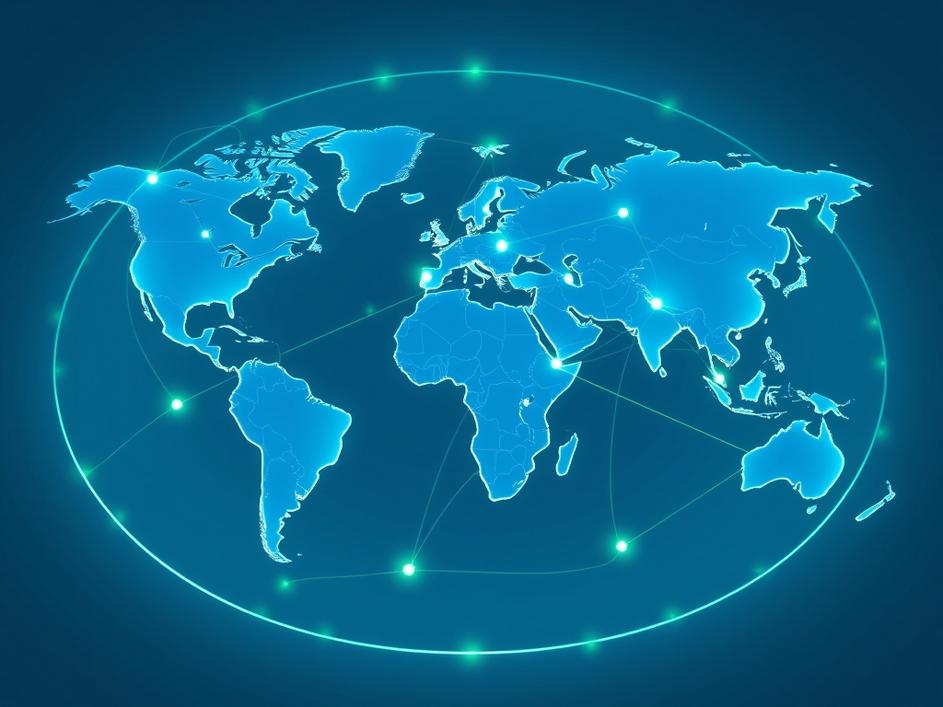
If India succeeds in becoming a major AI hub, it could reshape the global AI landscape. Currently, the AI field is dominated by a few key players, primarily the United States and China. India’s rise could create a more multipolar world, fostering greater competition and innovation. This could lead to the development of AI solutions that are more tailored to the needs of developing countries, addressing challenges like healthcare, agriculture, and education. However, India’s growing influence in AI could also raise concerns about data governance, cybersecurity, and the potential for misuse of AI technologies.
Ultimately, India’s AI ambition is about more than just technological advancement. It’s about using AI to improve the lives of its citizens, promote economic growth, and strengthen its position on the world stage. Whether India can truly become a global AI powerhouse remains to be seen. It requires a coordinated effort from government, industry, and academia, as well as a commitment to ethical principles and social responsibility. The road ahead is challenging, but the potential rewards are immense.
India’s aspirations to be a global AI leader are both ambitious and necessary. With its unique combination of talent, resources, and a growing digital economy, India has the potential to make a significant contribution to the development and deployment of AI. By addressing the challenges and focusing on ethical and social considerations, India can shape the future of AI in a way that benefits not just itself, but the entire world. The journey will be complex and demanding, but the vision of an AI-powered India, driving innovation and solving global problems, is a vision worth pursuing.


Comments are closed