

We are a digital agency helping businesses develop immersive, engaging, and user-focused web, app, and software solutions.
2310 Mira Vista Ave
Montrose, CA 91020

2500+ reviews based on client feedback
What's Included?
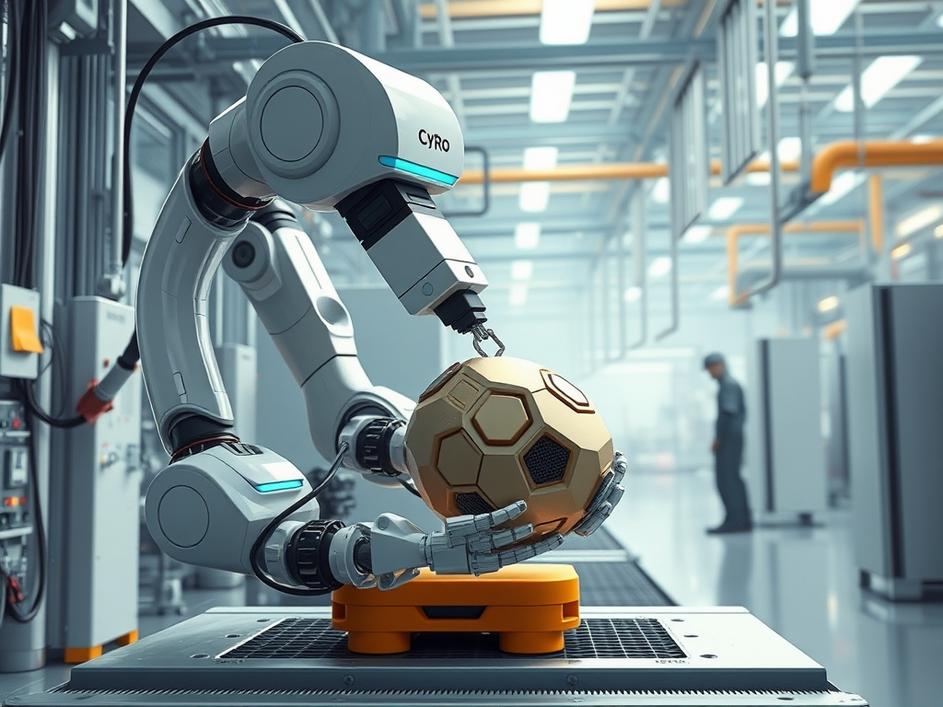
ToggleWe’ve all seen videos of robots performing repetitive tasks on assembly lines. They excel at doing the same thing over and over, but what happens when the task changes? That’s where object intelligence comes in, and a new robot called CyRo is making waves in the field. CyRo, showcased at the AI Impact Summit, can pick up and manipulate objects it has never encountered before. This isn’t just about pre-programmed movements; it’s about a robot that can actually “see” and understand what it’s interacting with in real-time.
The secret to CyRo’s abilities lies in CynLr’s Object Intelligence Platform. This platform gives the robot the ability to analyze an object’s shape, size, and orientation almost instantly. Think about how a human picks up a pen. We don’t consciously calculate the angles and forces needed; we just do it. CyRo aims to replicate this intuitive understanding, allowing it to handle a wide variety of objects without needing specific programming for each one. It’s like giving a robot a pair of eyes that can actually understand what they’re seeing, not just record images.
The implications of this technology are huge. Imagine warehouses where robots can sort and pack items of all shapes and sizes, without needing to be pre-programmed for each new product. Consider manufacturing plants where robots can adapt to changes in the production line on the fly. This kind of flexibility can lead to significant cost savings and increased efficiency. And it’s not just about industry; object intelligence could revolutionize fields like healthcare, where robots could assist surgeons with complex procedures, or logistics, where they could handle delicate packages with precision.
Of course, developing object intelligence isn’t easy. The real world is messy and unpredictable. Objects can be partially obscured, lighting conditions can change, and robots need to be able to deal with unexpected situations. This requires sophisticated algorithms and robust sensors that can handle a wide range of inputs. It also means that the robot needs to be able to learn from its mistakes and adapt to new situations over time. While CyRo’s demonstration is impressive, it’s important to remember that it’s still a work in progress. There’s a lot of research and development that needs to happen before object intelligence becomes widespread.
Some people worry that robots like CyRo will take away jobs, but the reality is likely to be more nuanced. Instead of replacing humans entirely, robots will likely work alongside us, taking on tasks that are dangerous, repetitive, or physically demanding. This will free up humans to focus on more creative and strategic work. The key will be to find the right balance between automation and human labor, ensuring that technology benefits everyone. We may see a shift in the types of jobs available, requiring workers to develop new skills in areas like robot programming and maintenance. But ultimately, the goal is to create a more efficient and productive economy that benefits everyone.
The development of robots like CyRo hints at a deeper change. The ability to handle a variety of objects in real time is more than just a neat trick. It’s a step toward robots with the adaptable skills to do a wide range of things. As AI gets better, we can imagine robots handling more complicated tasks, working in unpredictable settings, and even helping us solve hard problems. The technology that CynLr is developing is a key part of this future, making robots less like simple machines and more like helpful partners.
As robots become more intelligent and capable, it’s crucial to consider the ethical implications. Who is responsible when a robot makes a mistake? How do we ensure that robots are used for good and not for harm? These are important questions that need to be addressed as technology continues to advance. We need to have open and honest conversations about the potential risks and benefits of AI, and we need to develop regulations and guidelines that promote responsible innovation. It’s not enough to just develop the technology; we need to think about how it will impact society as a whole.
CyRo’s demonstration at the AI Impact Summit offers a glimpse into the future of automation. While challenges remain, the progress being made in object intelligence is undeniable. As robots become more adaptable and intelligent, they will play an increasingly important role in our lives. By embracing this technology responsibly, we can create a future where robots and humans work together to build a better world. The CyRo robot isn’t just picking up objects; it’s picking up the pace of innovation, showing us a future where machines can truly understand and interact with the world around them in meaningful ways.


Comments are closed