

We are a digital agency helping businesses develop immersive, engaging, and user-focused web, app, and software solutions.
2310 Mira Vista Ave
Montrose, CA 91020

2500+ reviews based on client feedback
What's Included?
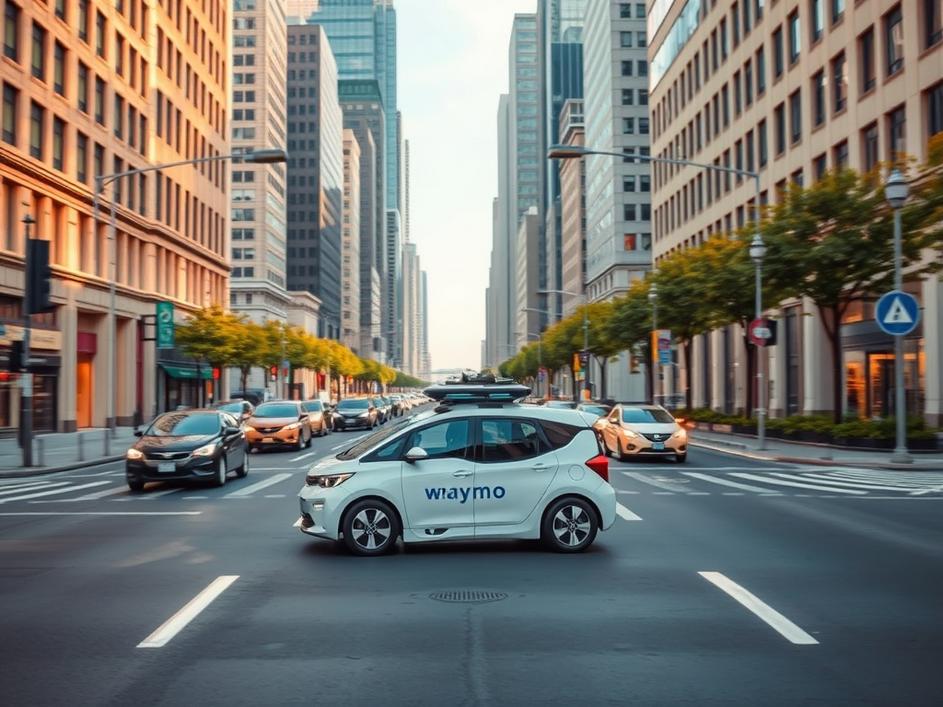
ToggleThe self-driving car landscape is shifting, and Waymo, a frontrunner in the autonomous vehicle race, is making some interesting moves. The company’s sixth-generation hardware is reportedly cheaper than its predecessors, which could have big implications for the expansion of its robotaxi services. If you are living in a city like San Francisco, Phoenix, Los Angeles, Austin or Atlanta, you may have already seen or even taken a ride in a driverless Waymo operating without a human behind the wheel. And it looks like it will be a trend in other cities soon.
The key takeaway here is cost reduction. Building and deploying autonomous vehicle technology is incredibly expensive. The sensors, computers, and software required to navigate complex urban environments without a human driver add up quickly. By making its hardware more affordable, Waymo is lowering the barrier to entry for wider adoption. Think about it: every dollar saved on the hardware translates to lower operating costs, which could then lead to cheaper rides for consumers. And this can make driverless taxi more appealing and useful for the everyday person.
A lower price tag also means Waymo can potentially expand its services to more cities. Currently, its robotaxis are primarily operating in a handful of locations. But with cheaper technology, the company could realistically scale its operations and bring driverless rides to a broader audience. This expansion isn’t just about convenience; it could also have a significant impact on transportation in general, offering an alternative to traditional taxis and ride-sharing services.
Waymo isn’t the only player in the autonomous vehicle space. Companies like Cruise, Tesla, and others are also developing their own self-driving technologies. Waymo’s move to reduce hardware costs puts pressure on these competitors to do the same. We might see a race to the bottom, with each company trying to offer the most affordable and efficient driverless solutions. Ultimately, this competition will benefit consumers, as it drives innovation and lowers prices.
Of course, safety remains the top priority. As Waymo expands its operations, it’s crucial that the company maintains its commitment to rigorous testing and safety protocols. The public needs to trust that these driverless vehicles are safe and reliable before they fully embrace the technology. Any accidents or safety concerns could quickly derail the progress that’s been made.
The implications of Waymo’s cheaper hardware extend beyond just robotaxis. The technology developed for autonomous vehicles can be applied to a wide range of other applications, such as delivery services, trucking, and even personal vehicles. As the cost of this technology decreases, we could see it integrated into more and more aspects of our lives.
Despite the progress being made, there are still challenges to overcome. Regulatory hurdles and public perception are two major obstacles. Governments need to establish clear rules and regulations for autonomous vehicles, and the public needs to be convinced that these vehicles are safe and trustworthy. Overcoming these challenges will require collaboration between industry, government, and the public.
Waymo’s efforts to reduce the cost of its driverless technology are a significant step towards the future of transportation. While there are still hurdles to clear, the potential benefits of autonomous vehicles are enormous. Cheaper rides, increased accessibility, and improved safety are just a few of the potential advantages. As the technology continues to evolve, we can expect to see even more innovation and disruption in the transportation industry. It will be interesting to see how the different players compete and innovate in this space, and how people are going to react and use it.
Reducing the costs of the sixth-generation hardware is a smart move from Waymo. This will allow them to scale up the operations and bring the future of transportation closer to everyone. More affordable autonomous technology can open new doors for many users and applications. While regulatory approval and public trust are critical challenges that need to be carefully addressed, Waymo’s move brings the expansion of the ride-hailing service closer to reality.
Waymo’s progress in reducing the cost of its driverless technology is a positive sign for the future of transportation. As the technology becomes more affordable and accessible, we can expect to see a wider adoption of autonomous vehicles. This could lead to significant changes in how we move around our cities and how we transport goods. While there are still challenges to overcome, the potential benefits of driverless technology are too great to ignore.


Comments are closed