

We are a digital agency helping businesses develop immersive, engaging, and user-focused web, app, and software solutions.
2310 Mira Vista Ave
Montrose, CA 91020

2500+ reviews based on client feedback
What's Included?
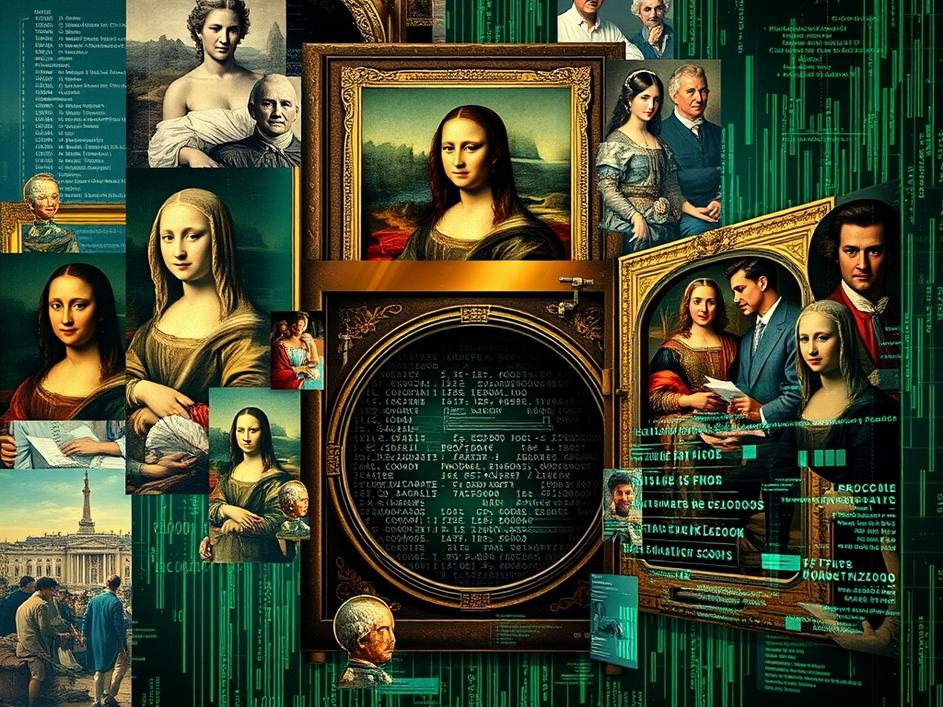
ToggleWe’re hearing a lot about tokenization these days, especially when it comes to unique assets. Imagine turning a piece of cultural history – a song, a painting, even a historical document – into a digital token. It’s like putting it in a virtual vault, but instead of just locking it away, you can potentially unlock new ways to make money from it. Datavault AI (DVLT) is one company exploring this idea, focusing on how to turn cultural intellectual property (IP) into something that can be traded and monetized. The core concept involves representing real-world assets as digital tokens on a blockchain. This offers fractional ownership, increased liquidity, and new avenues for creators and rights holders to generate revenue. Is this the future of cultural asset management, or just another fleeting trend in the crypto world?
So, how does Datavault AI plan to do it? The idea is that by tokenizing cultural assets, they can create a secure and transparent way to manage and distribute them. This could mean artists get paid more fairly for their work, museums can fund new exhibitions, and collectors can easily buy and sell pieces of history. The company aims to build a platform where cultural IP can be tokenized, managed, and monetized effectively. This involves using blockchain technology to ensure transparency and security, while also providing tools for rights management and distribution. The question remains: Can they deliver on this promise and create a truly viable ecosystem for cultural IP?
Data monetization is a huge buzzword, but what does it really mean in this context? Essentially, it’s about turning the data generated by these tokenized assets into revenue streams. Every time a token is traded, viewed, or used in some way, it generates data. This data can then be analyzed to understand trends, preferences, and market demands. For instance, knowing which songs are most popular in a certain region could help artists target their marketing efforts. Datavault AI believes this data-driven approach can provide a sustainable edge in the cultural IP market. By understanding the usage patterns and preferences surrounding cultural assets, they aim to create new opportunities for revenue generation and growth.
Here’s where things get interesting. Can Datavault AI really build a “defensible data-monetization edge”? In the business world, a defensible edge means having something that competitors can’t easily copy. In this case, it would mean having a unique dataset or a better way of analyzing it. If Datavault AI can gather enough data about how people interact with tokenized cultural assets, they might be able to create insights that others can’t. This could give them an advantage in attracting artists, collectors, and investors to their platform. However, building this edge won’t be easy. They’ll need to navigate complex legal issues, build trust with stakeholders, and constantly innovate to stay ahead of the competition.
Tokenizing cultural IP isn’t without its challenges. Copyright laws, ownership disputes, and the inherent volatility of the crypto market all pose significant risks. Furthermore, educating the public about the benefits of tokenization and building trust in the system will be crucial for success. But if Datavault AI can overcome these hurdles, the potential rewards are enormous. Imagine a world where artists have more control over their creations, museums can easily fund preservation efforts, and collectors can invest in cultural treasures with confidence. The key will be execution and a commitment to building a sustainable ecosystem that benefits all stakeholders.
Datavault AI is betting big on the idea that cultural IP tokenization is the future. They’re not alone; other companies are also exploring this space. But the company’s focus on data monetization could give them a unique advantage. By turning cultural assets into data goldmines, they hope to create a new paradigm for the industry. Whether they succeed remains to be seen, but their efforts could have a significant impact on how we value, protect, and share our cultural heritage. The next few years will be critical in determining whether Datavault AI can transform cultural IP tokenization from a promising concept into a mainstream reality.
The idea of tokenizing cultural IP is certainly intriguing. Datavault AI is attempting to bridge the gap between the traditional art world and the emerging world of blockchain technology. The potential benefits are clear: increased accessibility, greater transparency, and new revenue streams for creators. However, the challenges are equally significant. Success will depend on their ability to navigate complex legal and regulatory landscapes, build trust with stakeholders, and deliver a user-friendly platform that meets the needs of artists, collectors, and investors alike. Whether they can truly turn cultural treasures into data gold remains to be seen, but the journey is certainly worth watching.



Comments are closed