

We are a digital agency helping businesses develop immersive, engaging, and user-focused web, app, and software solutions.
2310 Mira Vista Ave
Montrose, CA 91020

2500+ reviews based on client feedback
What's Included?
ToggleSmart glasses are becoming more common. They promise hands-free convenience and the ability to capture life’s moments effortlessly. But this technology is not without its dark side. The ease with which these devices can record video raises serious questions about privacy and consent. Are we walking into a world where we’re constantly being recorded without our knowledge?
A recent viral video highlighted these worries. A woman was recorded without her permission. The video then showed up on TikTok. This incident is a stark reminder of how easily smart glasses can be used to violate someone’s privacy. It’s not just about the recording itself, but also the potential for that content to be shared widely online, often without the subject’s awareness or consent.
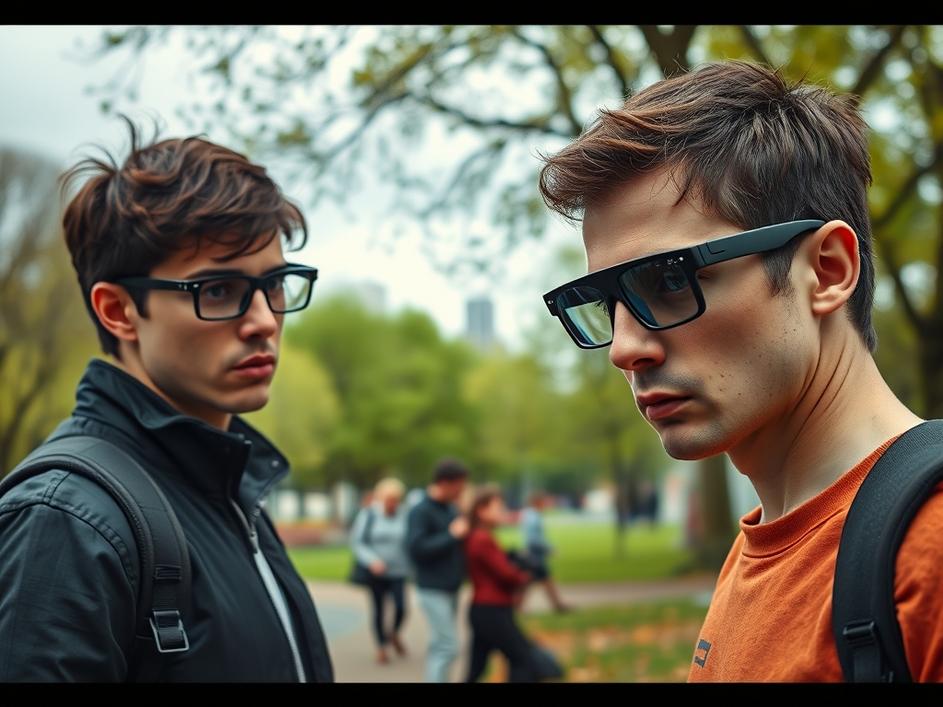
Let’s be honest: the idea of someone secretly recording you is creepy. It feels invasive and unsettling. It brings up concerns about who is doing the recording, what they intend to do with the footage, and how it might be used against you. The lack of obvious visual cues that someone is recording with smart glasses only adds to the problem. Unlike a phone or camera, which are easily spotted, smart glasses can blend seamlessly into everyday wear, making it difficult to know when you’re being filmed.
The legal landscape surrounding the use of smart glasses for recording is still murky. Many places have laws about recording someone without their consent, but these laws were written before such technology existed. It can be difficult to apply these laws to smart glasses, especially when it comes to public spaces. Ethically, the issue is even more complex. Even if it’s legal to record someone, is it right? Does the potential benefit of capturing a moment outweigh the individual’s right to privacy?
The problem isn’t just individuals recording each other. Think about the potential for corporations and governments to use smart glasses for surveillance. Imagine retail employees wearing glasses that track customer behavior, or law enforcement using them to monitor citizens. The possibilities for misuse are vast and disturbing. We need to have a serious conversation about the limits of surveillance and how to protect individual privacy in an age of wearable technology.
One solution is establishing clear guidelines and regulations for the use of smart glasses. These could include requirements for manufacturers to include visible indicators when recording is in progress, as well as stricter laws regarding the collection and sharing of personal data. Education is also key. People need to be aware of the risks associated with smart glasses and how to protect themselves from being recorded without their consent. This could involve learning to recognize the signs that someone might be wearing recording-enabled glasses and being assertive about asking them to stop.
Smart glasses have the potential to enhance our lives in many ways. They can provide hands-free access to information, help us capture memories, and even assist people with disabilities. But we can’t allow this technology to develop unchecked. We need to find a balance between innovation and privacy, ensuring that new technologies serve humanity without infringing on our fundamental rights.
So, what can you do to protect yourself? Be aware of your surroundings. Look for people wearing glasses that seem unusually interested in you. Don’t be afraid to ask someone if they are recording. If you feel uncomfortable, remove yourself from the situation. It’s also important to support organizations that are working to protect digital privacy rights. The more we raise awareness about these issues, the better equipped we will be to navigate the challenges of a world filled with smart technology.
The smart glasses situation serves as a wake-up call. It shows us that technological progress demands responsible development and ethical considerations. Without these, the pursuit of innovation can easily lead to a loss of privacy, erosion of trust, and a society where everyone is constantly on guard. The future of wearable technology hinges on our ability to create a framework that respects both innovation and individual rights. We must prioritize privacy as a core principle, not an afterthought. Only then can we ensure that smart glasses and other emerging technologies serve to empower, not to endanger, the very people they are designed to assist.



Comments are closed