

We are a digital agency helping businesses develop immersive, engaging, and user-focused web, app, and software solutions.
2310 Mira Vista Ave
Montrose, CA 91020

2500+ reviews based on client feedback
What's Included?
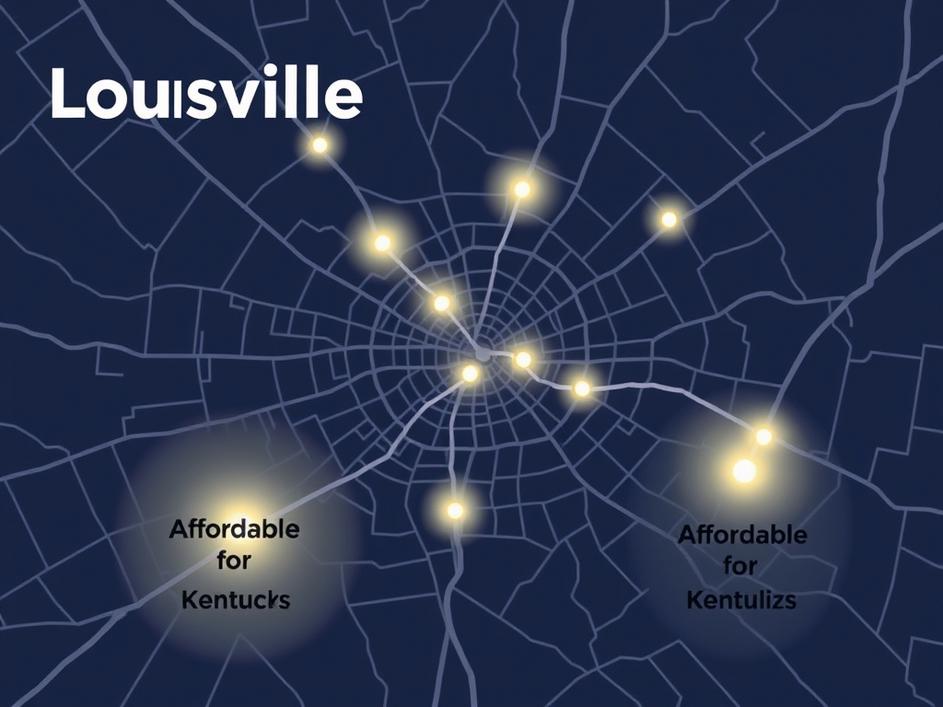
ToggleHave you ever wondered if you’re paying too much for your internet? A recent study by Connected Nation (CN) in Louisville, Kentucky, suggests that the answer might be yes, depending on where you live. The study shines a light on something many people suspect: internet prices aren’t consistent across different neighborhoods. This means that people in one part of the city could be paying significantly more for the same internet service than people in another part, and that sounds really unfair.
So, what’s causing these price differences? There could be a few things at play. One factor is competition, or rather, a lack of it. If only one or two internet providers operate in a specific area, they don’t have much incentive to lower their prices. They can essentially charge what they want, knowing that customers don’t have many other options. Another potential reason is the cost of infrastructure. It might be more expensive to lay down cables or install equipment in some neighborhoods than others. This cost could then be passed on to consumers in the form of higher prices. Digital redlining, or historical biases and prejudices regarding broadband access could also be playing a role. Regardless of the reason, the result is the same: some residents are paying a premium for the exact same service.
The Connected Nation study isn’t just pointing out a problem; it’s also calling for a solution. The organization is advocating for standardized internet pricing across Louisville. This would mean that everyone in the city would pay roughly the same amount for the same level of service, regardless of their location. This seems like a logical step towards ensuring equitable access to internet service. After all, in today’s world, internet access is almost as essential as electricity or water. It’s vital for education, employment, healthcare, and staying connected with loved ones. Unequal pricing creates a digital divide, where some people have greater opportunities than others simply because of where they live.
While this study focuses on Louisville, it’s likely that similar price disparities exist in other cities and towns across the country. Internet service providers often operate on a regional or national level, and their pricing strategies can vary widely depending on the local market conditions. The Louisville study serves as a reminder that we need to take a closer look at how internet services are priced and whether those prices are fair to consumers. It is possible that other cities may need to conduct similar studies to have a better understanding of their unique local challenges. The results could be used to guide public policy discussions and advocacy efforts aimed at promoting affordable internet access for all.
So, what can be done to address this issue? One approach is to increase competition among internet providers. Cities and towns could encourage new companies to enter the market by streamlining the permitting process or offering incentives for infrastructure development. Another option is to regulate internet pricing, similar to how some utilities are regulated. This would involve setting maximum prices for different levels of service and ensuring that providers aren’t charging excessive rates. Public awareness can also play a role. When consumers are aware of the price disparities in their area, they can put pressure on providers to lower their rates and advocate for fairer pricing policies. The Connected Nation study is a valuable first step in raising awareness and sparking a conversation about this important issue.
What happens next depends on a variety of factors, including the willingness of local government officials to take action, the responsiveness of internet service providers to consumer concerns, and the ability of community organizations to mobilize support for policy changes. While standardized pricing is a worthy goal, it may not be the only solution. Other strategies, such as subsidies for low-income households or community-owned internet networks, could also help to bridge the digital divide and ensure that everyone has access to affordable internet service. The challenge is to find the right mix of policies and programs that work best for each community.
Ultimately, the debate over internet pricing is part of a larger conversation about whether internet access should be considered a basic right. In today’s digital age, it’s hard to argue that it isn’t. Without internet access, people are at a disadvantage when it comes to education, employment, healthcare, and civic engagement. Ensuring affordable internet access for all is not just a matter of fairness; it’s also an investment in the future of our society. And while the Connected Nation study focuses on Louisville, it’s a reminder that this issue affects communities across the country, and that we all have a role to play in finding solutions.
The Connected Nation study has started an important conversation in Louisville, and hopefully it will spark similar discussions in other communities as well. By raising awareness, advocating for policy changes, and supporting innovative solutions, we can work towards a future where everyone has access to affordable internet service, regardless of their location or income. It’s time to close the digital divide and ensure that everyone has the opportunity to participate fully in the digital age. The path forward may not be easy, but the destination is worth fighting for. Everyone deserves a fair price for internet, no matter where they live.



Comments are closed