

We are a digital agency helping businesses develop immersive, engaging, and user-focused web, app, and software solutions.
2310 Mira Vista Ave
Montrose, CA 91020

2500+ reviews based on client feedback
What's Included?
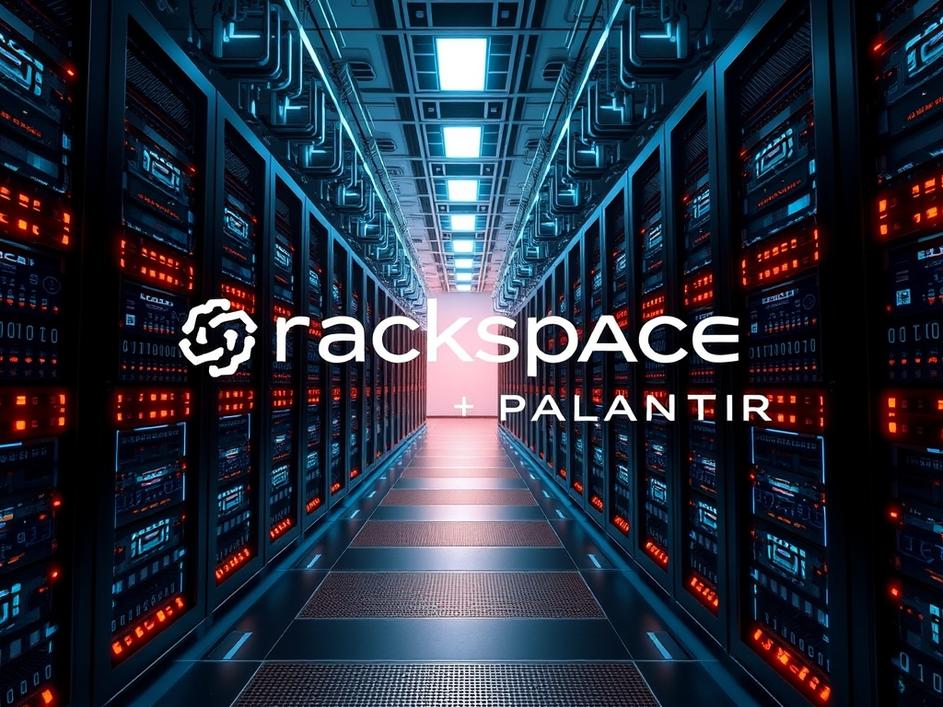
ToggleRackspace, a well-known name in managed cloud services, has recently stepped into a more prominent role by hosting Palantir’s AI platforms. Palantir, famous for its data analytics prowess, particularly in government and enterprise sectors, is entrusting some of its AI infrastructure to Rackspace. So, the immediate question that pops up: What does this mean for Rackspace, and is it a signal of bigger things to come? The market seems to be cautiously optimistic, but let’s dig a little deeper.
Before we jump into analyzing the Palantir deal, it’s essential to understand the ‘bull case’ for Rackspace. Simply put, the bull case is the argument for why the company’s stock is expected to rise. For Rackspace, this often revolves around the increasing demand for cloud services, especially managed services, where Rackspace specializes. Companies are moving to the cloud in droves, but many lack the expertise to manage their cloud infrastructure effectively. This is where Rackspace comes in, offering the expertise to manage these complex systems. The bull case also hinges on Rackspace’s ability to innovate and offer cutting-edge services, attracting new clients and retaining existing ones.
Now, let’s bring Palantir back into the picture. The partnership with Palantir could be a significant catalyst for Rackspace. Palantir’s AI platforms are resource-intensive and require robust infrastructure. By hosting these platforms, Rackspace demonstrates its capability to handle demanding workloads. More importantly, it gains exposure to the burgeoning AI market. This can potentially attract other AI-focused companies looking for reliable hosting solutions. It’s also a vote of confidence from Palantir, a company known for its rigorous standards and cutting-edge technology. The fact that Palantir chose Rackspace speaks volumes about Rackspace’s capabilities.
Of course, there are potential upsides and risks associated with this partnership. On the upside, the deal could lead to increased revenue for Rackspace, as Palantir’s platforms likely require significant computing resources. It could also enhance Rackspace’s reputation as a provider of high-performance computing solutions. Further, it could open doors to partnerships with other AI companies in Palantir’s orbit. However, the risks are also worth considering. The deal might be heavily dependent on Palantir’s continued success. If Palantir falters, Rackspace could see a decrease in revenue. Additionally, managing Palantir’s AI platforms could strain Rackspace’s resources, potentially impacting service quality for other clients. The devil is truly in the details of the contract and how well Rackspace executes the hosting.
Ultimately, whether this partnership significantly changes the bull case for Rackspace depends on execution. It’s not enough to simply host Palantir’s platforms; Rackspace needs to provide exceptional service, build a strong relationship, and showcase its capabilities to attract similar clients. The company also needs to continue investing in its infrastructure and expertise to stay ahead of the curve. The cloud services market is incredibly competitive, and Rackspace needs to differentiate itself to thrive. The Palantir deal is a step in the right direction, but it’s just one piece of the puzzle. Rackspace’s long-term success will depend on its ability to consistently deliver value to its clients and adapt to the ever-changing technological landscape.
It’s also important to consider the broader market context. The demand for AI and machine learning solutions is growing rapidly, and this is driving demand for cloud infrastructure that can support these workloads. Major cloud providers like AWS, Azure, and Google Cloud are already heavily invested in this space. Rackspace needs to find its niche within this competitive landscape. Its focus on managed services could be a key differentiator, as many companies prefer to outsource the management of their AI infrastructure. The partnership with Palantir provides a valuable proof point for Rackspace’s capabilities in this area.
Analysts are likely watching this partnership closely to gauge its financial implications for Rackspace. Increased revenue and improved profitability are key metrics that will influence their outlook on the company’s stock. It’s important to note that analyst opinions can vary widely, and their views are not always indicative of future performance. However, their analysis can provide valuable insights into the company’s prospects. Investors should do their own due diligence and consider multiple sources of information before making any investment decisions.
In conclusion, Rackspace’s new role hosting Palantir’s AI platforms is a positive development that could potentially strengthen the bull case for the company. It demonstrates Rackspace’s ability to handle demanding workloads, provides exposure to the growing AI market, and enhances its reputation as a provider of high-performance computing solutions. However, execution is key, and Rackspace needs to continue investing in its infrastructure and expertise to stay ahead of the competition. While it may not dramatically alter the investment thesis immediately, it certainly adds an interesting chapter to the Rackspace story. A cautiously optimistic outlook seems warranted, but continued monitoring of the company’s performance and the evolving market dynamics is crucial.



Comments are closed