

We are a digital agency helping businesses develop immersive, engaging, and user-focused web, app, and software solutions.
2310 Mira Vista Ave
Montrose, CA 91020

2500+ reviews based on client feedback
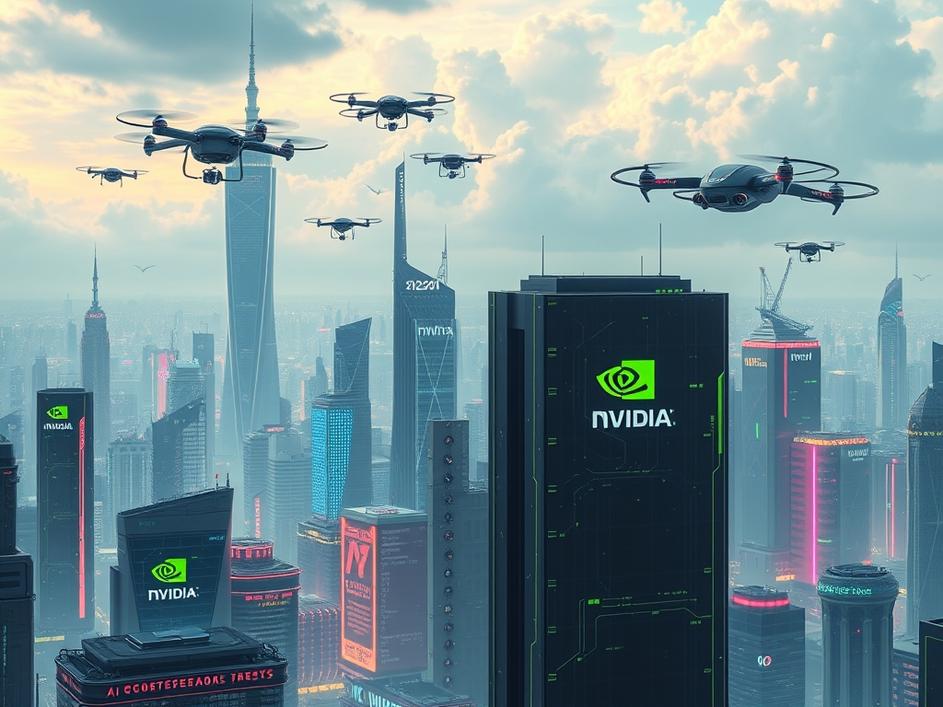
Nvidia is undeniably the king of the hill right now. Their financial results are staggering, dwarfing many competitors in the semiconductor space. They’re not just making chips; they’re printing money thanks to the insatiable demand for AI-related hardware. It’s a remarkable feat, and a testament to their early bet on accelerated computing and their knack for anticipating market trends. They saw the AI wave coming long before most, and they positioned themselves perfectly to ride it. This foresight has translated into massive revenue and an enviable market position.
But even with these impressive figures, a sense of unease lingers. The stock market, always a fickle beast, isn’t entirely convinced. While Nvidia’s numbers are great, the underlying anxieties about the future of AI haven’t disappeared. In fact, some might argue that Nvidia’s very success is fueling those anxieties. The rapid growth and concentration of power in one company naturally raise questions about long-term sustainability and potential risks. What happens if the AI boom slows down? Can Nvidia maintain its dominance as new players enter the arena?
Furthermore, the concerns extend beyond mere market dynamics. The ethical implications of AI are becoming increasingly prominent. Questions about bias in algorithms, job displacement, and the potential misuse of AI technologies are weighing on investors’ minds. While Nvidia isn’t directly responsible for these issues, they are a key enabler. Their technology powers many of the AI systems that raise these ethical dilemmas. This indirect responsibility adds another layer of complexity to the narrative surrounding the company’s success. It’s not just about the profits; it’s about the broader impact on society.
And let’s not forget the competition. While Nvidia currently holds a dominant position, the landscape is constantly shifting. Other chipmakers, like AMD and Intel, are actively developing their own AI-focused hardware. New startups are emerging with innovative approaches to AI processing. The tech world rarely allows a single player to maintain absolute control for long. History is filled with examples of companies that were once considered invincible but eventually lost their edge. Nvidia needs to continue innovating and adapting to stay ahead of the curve. Resting on their laurels is not an option in this fast-paced environment.
Perhaps the biggest fear lurking in the background is the possibility of an “AI winter.” This refers to a period of reduced funding and interest in AI, similar to what happened in previous decades. While the current enthusiasm for AI seems strong, history has shown that technological hype cycles can be unpredictable. If the promises of AI fail to materialize, or if the technology proves to be more difficult to implement than expected, the investment landscape could change dramatically. This would undoubtedly impact Nvidia, regardless of its current financial strength. The company’s future is inextricably linked to the continued growth and adoption of AI.
So, what can Nvidia do to address these concerns? Diversification is key. While AI is their primary focus right now, they need to explore other avenues of growth and reduce their reliance on a single technology. Investing in areas like cloud computing, data centers, and automotive technology could help mitigate the risks associated with a potential slowdown in the AI market. Furthermore, they need to actively engage in discussions about the ethical implications of AI and work towards responsible development and deployment of the technology. This includes promoting transparency, addressing bias, and ensuring that AI is used for the benefit of humanity.
Building trust is also essential. Nvidia needs to be transparent about its technology and its potential impact on society. This means engaging with policymakers, researchers, and the public to address their concerns and build a shared understanding of the opportunities and challenges presented by AI. Open communication and collaboration are crucial for fostering a healthy and sustainable AI ecosystem. Secrecy and opacity will only fuel suspicion and distrust. By being proactive and transparent, Nvidia can help shape the narrative around AI and ensure that it is used for good.
Ultimately, Nvidia’s success is a double-edged sword. Their impressive financial results demonstrate the immense potential of AI, but they also highlight the risks and uncertainties that lie ahead. While the company is undoubtedly in a strong position, they cannot afford to be complacent. They need to continue innovating, diversifying, and engaging in responsible development to ensure their long-term sustainability. The future of AI is uncertain, and Nvidia’s fate is intertwined with it. Only time will tell if they can navigate the challenges and maintain their dominance in this rapidly evolving landscape.



Comments are closed