

We are a digital agency helping businesses develop immersive, engaging, and user-focused web, app, and software solutions.
2310 Mira Vista Ave
Montrose, CA 91020

2500+ reviews based on client feedback
What's Included?
ToggleWe’ve all become pretty reliant on our smartphones. They’re our maps, our cameras, our entertainment centers, and even sometimes… our phones. But the party might be winding down, at least for a little while. There’s talk going around that smartphone sales are heading for a major slump, possibly the biggest one ever. And this isn’t just some random guess; industry analysts are pointing to a very specific reason.
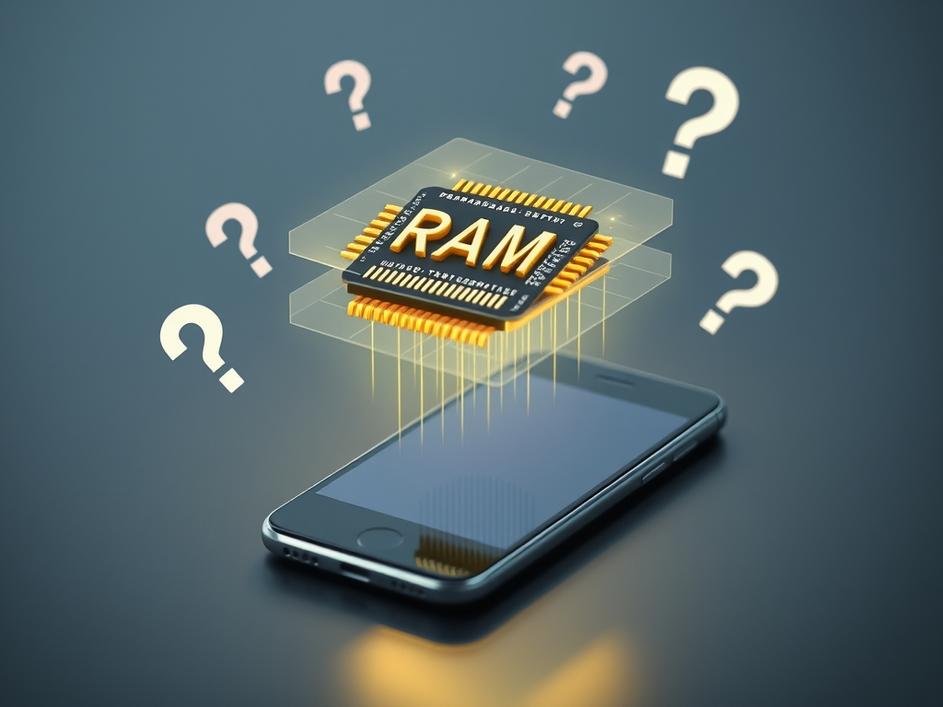
So, what’s the culprit? It boils down to RAM, or Random Access Memory. Think of RAM as the short-term memory for your devices. It allows your phone to quickly access information and run multiple apps smoothly. Now, with the rise of AI, especially those memory-hungry AI models, things are getting tight. These AI systems, even the ones running on servers in data centers, need massive amounts of RAM to function effectively. All that server memory eats into the supply chain.
Here’s how it all connects: the big tech companies developing AI are buying up huge quantities of RAM. This increased demand is causing a shortage, which then drives up the price of RAM. Smartphone manufacturers, who also need RAM for their devices, are now facing higher costs. To deal with this cost increase, they have a few options, none of which are great for consumers. They could raise the price of smartphones, use less RAM in their phones (resulting in poorer performance), or simply produce fewer phones. Most will do a combination of these tactics.
The prediction is that this RAM shortage could really hit the smartphone market hard in 2026. The International Data Corporation (IDC) believes this will be the year we see a significant drop in sales. It makes sense. If phones become more expensive or offer less performance for the same price, people will be less eager to upgrade. They might hold onto their current phones for longer, waiting for prices to come down or for the RAM situation to ease up.
Of course, the RAM shortage isn’t the only factor at play here. The smartphone market has been maturing for years. People are holding onto their phones for longer because they’re already ‘good enough.’ The rate of innovation has slowed down, and the differences between new models and older ones aren’t always compelling enough to justify an upgrade. Economic factors also play a role. If people are worried about the economy, they’re less likely to spend money on a new phone.
While a decline in smartphone sales might sound like bad news, there could be some positive side effects. For one, it could encourage manufacturers to focus on software optimization rather than just throwing more hardware at the problem. If they can make phones run more efficiently with less RAM, that would be a win for everyone. It could also spur innovation in other areas, such as battery life or camera technology, to make phones more appealing even without huge performance upgrades. Another result could be to accelerate the development of cloud-based AI. By offloading the heavy lifting to remote servers, less RAM might be needed on smartphones.
One area to watch is foldable phones. These devices, which combine the screen real estate of a tablet with the portability of a smartphone, could become more attractive if standard smartphone performance stagnates. They offer a different kind of value proposition, and they might be able to capture the attention of consumers who are looking for something new and exciting. It’s also possible that the RAM shortage will disproportionately impact cheaper models, further incentivizing consumers to invest in high-end devices that are not as tightly constrained by the budget RAM limitations.
So, what does all this mean for you? If you’re planning on buying a new smartphone in the next couple of years, be prepared to potentially pay more or see fewer significant upgrades. Keep an eye on the RAM specifications of different models and consider whether you really need the latest and greatest features. You might find that your current phone is still perfectly adequate, or that a slightly older model offers a better value for your money. The smartphone landscape is about to change, and it pays to be informed.


Comments are closed