

We are a digital agency helping businesses develop immersive, engaging, and user-focused web, app, and software solutions.
2310 Mira Vista Ave
Montrose, CA 91020

2500+ reviews based on client feedback
What's Included?
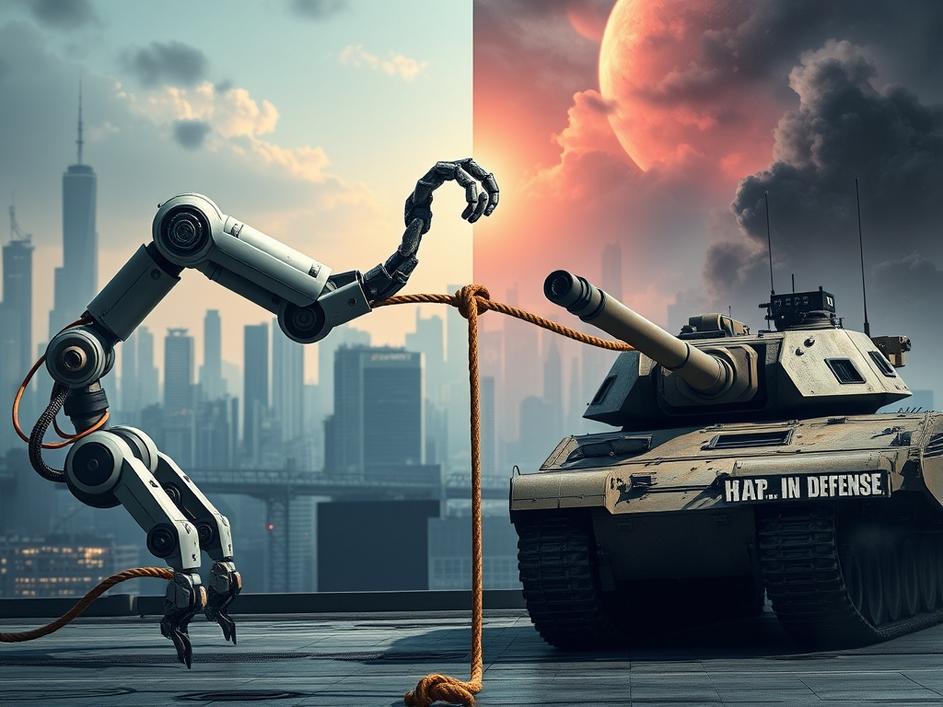
ToggleThe world of artificial intelligence is constantly evolving, and with that evolution comes a growing need for responsible development and deployment. A recent clash highlights this tension perfectly: Anthropic’s CEO, Dario Amodei, has reportedly pushed back against demands from the U.S. Department of Defense regarding specific guardrails for their AI models. This isn’t just a boardroom disagreement; it’s a fundamental debate about the balance between innovation, national security, and ethical considerations in AI. The implications of this decision could resonate far beyond Silicon Valley, influencing how AI is shaped and used in the years to come. It places a spotlight on how AI companies view their responsibility to control the usage of the technologies they bring into the world.
Why is the Defense Department so interested in Anthropic’s AI guardrails? The answer likely lies in the potential military applications of advanced AI. Imagine AI systems used for intelligence gathering, autonomous weapons, or strategic planning. The Defense Department wants to ensure that these systems are reliable, ethical, and, most importantly, controllable. Their concerns probably revolve around preventing unintended consequences, minimizing bias, and safeguarding against adversarial attacks that could compromise national security. They are trying to preempt a future where they have a valuable tool that cannot be trusted. It is easy to imagine military applications that could go awry if left unchecked.
On the other side, Anthropic, a leading AI research company, likely sees the Defense Department’s demands as overly restrictive. Imposing stringent guardrails could stifle innovation and hinder the development of more capable AI models. There’s also the philosophical argument that AI should be developed for the benefit of humanity as a whole, not just for military purposes. Amodei’s rejection of the demands suggests a belief that Anthropic can self-regulate and ensure responsible AI development without excessive external interference. The company might also see the demands as a way to control the direction of AI research, which they think should be open and collaborative.
This conflict between Anthropic and the Defense Department is not an isolated incident. It reflects a larger struggle within the AI community about who gets to decide how this powerful technology is developed and used. Governments, corporations, researchers, and ethicists are all vying for influence, each with their own priorities and values. The outcome of this struggle will shape the future of AI and its impact on society. It will determine whether AI is primarily used for economic gain, national security, or the collective good. The choices we make now will have profound and lasting consequences. The key question remains if the balance between innovation and caution be managed, and how that balance can be preserved.
While the immediate focus is on the ethical and strategic implications, it’s impossible to ignore the potential impact on tech stocks. Investors are increasingly sensitive to ethical considerations, and a company’s stance on issues like AI safety can influence its stock price. If Anthropic’s decision is seen as irresponsible or reckless, it could negatively affect investor confidence. Conversely, if they are perceived as champions of ethical AI, it could boost their reputation and attract investors who prioritize social responsibility. The stock market might initially react to the news based on speculation, but the long-term impact will depend on how the situation unfolds and how the public perceives Anthropic’s actions. The situation has drawn in public speculation about whether there are any hidden financial motivations related to the CEO rejecting demands from the Department of Defense.
So, what’s the solution? How can we balance the need for innovation with the imperative to ensure responsible AI development? The answer likely lies in collaboration and open dialogue. Governments, AI companies, and researchers need to work together to establish clear ethical guidelines and safety standards. These guidelines should be flexible enough to accommodate technological advancements but also strong enough to prevent misuse. Transparency and accountability are also crucial. AI companies should be transparent about their research and development practices and accountable for the consequences of their AI systems. It will require ongoing conversation to keep AI on a track that benefits society. The AI industry, governments, and ethical experts need to be in a constant state of communication and revision to ensure AI remains a tool for good.
Public perception plays a significant role in shaping the trajectory of AI development. As the public becomes more aware of the potential risks and benefits of AI, they will demand greater accountability from both governments and corporations. This public pressure can influence policy decisions, investment strategies, and even consumer behavior. It’s essential to have open and honest conversations about AI to foster informed public discourse and ensure that AI is developed in a way that aligns with societal values. The AI companies need to show that they are acting ethically and responsibly.
The standoff between Anthropic and the Defense Department serves as a stark reminder of the challenges and opportunities that lie ahead. AI has the potential to transform our world in profound ways, but only if we develop and deploy it responsibly. It is time for all stakeholders to come together and work towards a future where AI benefits humanity as a whole, without compromising our values or our security. We need to ask whether these new advances are something that improves lives, or creates more problems than solutions. The current disagreement also highlights the importance of having ongoing, serious discussions about the ethical implications of AI and ensuring that its development aligns with human values.



Comments are closed