

We are a digital agency helping businesses develop immersive, engaging, and user-focused web, app, and software solutions.
2310 Mira Vista Ave
Montrose, CA 91020

2500+ reviews based on client feedback
What's Included?
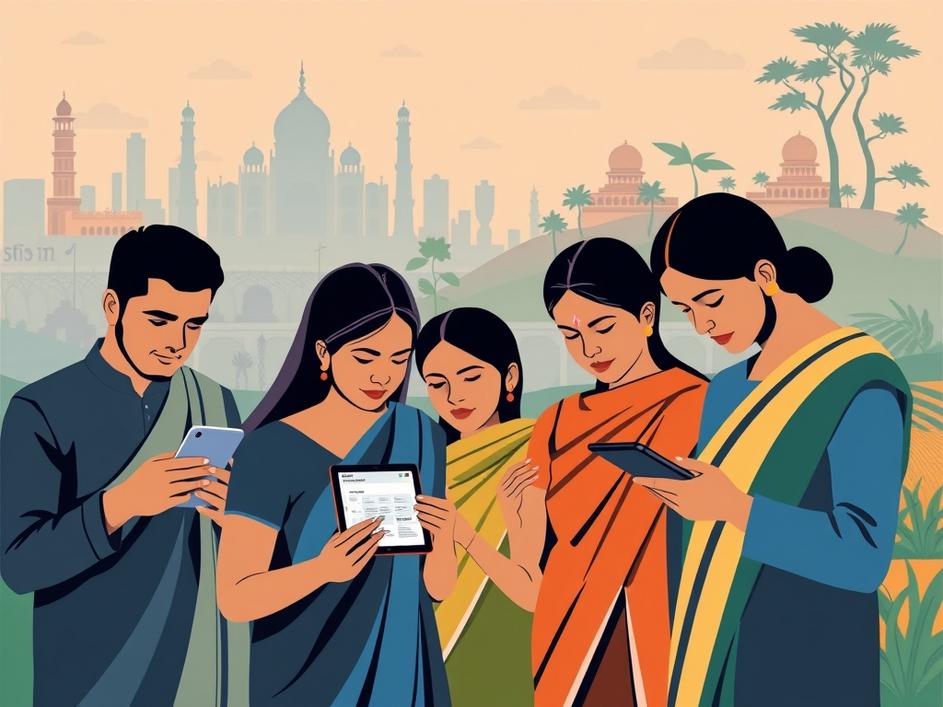
ToggleIndia is taking a significant step into the future with the upcoming census. The government has announced that the 2026 census will be conducted primarily through digital methods. This marks a big shift from traditional paper-based data collection, aiming to streamline the process and improve accuracy. It seems India will leave the pen and paper behind, embracing digital tools to count its massive population.
There are several reasons driving this move toward a digital census. First and foremost, it’s about efficiency. Digital data collection can significantly reduce the time and resources required to process information. No more endless stacks of paper forms to manually input and verify. Instead, data can be directly entered into a secure system, minimizing errors and speeding up the entire process. The reliance on enumerators is reduced as much of the population will be able to self-report via a portal or app.
The plan involves using mobile phones and online portals to collect census data. Individuals will likely have the option to fill out the census questionnaire on their smartphones or computers. This will be particularly beneficial for urban populations with high levels of digital literacy. For those who may not have access to technology or are less comfortable using it, trained enumerators will still be available to provide assistance and conduct door-to-door surveys using digital devices. The government likely will also be prepared to offer support in many languages.
The benefits of a digital census extend far beyond just getting an accurate population count. The data collected will be invaluable for planning and resource allocation. Governments can use this information to make informed decisions about everything from infrastructure development to healthcare services to education programs. Knowing the demographic makeup of different regions helps ensure that resources are distributed effectively and that the needs of all communities are met. Imagine the ability to quickly identify areas with growing populations and allocate resources to build new schools or hospitals accordingly. This leads to optimized services that meet the needs of the citizens.
With any digital initiative, privacy and security are paramount concerns. The government will need to ensure that robust measures are in place to protect sensitive personal data. This includes using encryption, secure servers, and strict access controls to prevent unauthorized access and data breaches. Public trust is essential for the success of the digital census. Citizens need to be confident that their information will be handled responsibly and that their privacy will be respected. Anonymization and data aggregation techniques will play a vital role in safeguarding individual identities while still providing valuable insights for policymakers.
While the move to a digital census is promising, there are also challenges to overcome. India still faces a significant digital divide, with many people lacking access to the internet or digital devices. Ensuring that the census is accessible to everyone, regardless of their socioeconomic status or location, will be crucial. This means providing alternative methods for data collection, such as traditional paper forms or assistance from trained enumerators. Addressing the digital literacy gap through targeted training programs will also be essential. Reaching remote and underserved communities will require innovative strategies and collaboration with local organizations.
The digital census represents a significant step towards a more dynamic and responsive approach to data collection. In the future, we may see even more innovative technologies being used, such as artificial intelligence and machine learning, to analyze census data and identify trends. This could lead to more timely and accurate insights, enabling governments to make better decisions and respond more effectively to the needs of their citizens. The move to digital isn’t just about counting people; it’s about creating a more informed and data-driven society. It seems India is moving away from viewing the census as a once-in-a-decade event to a more continuous process.
India’s decision to embrace a digital census is a bold and forward-thinking move. While challenges remain, the potential benefits are immense. By leveraging technology, the government can improve the efficiency, accuracy, and accessibility of data collection, leading to better planning, resource allocation, and ultimately, a better future for all its citizens. However, the success of this initiative hinges on addressing the digital divide and ensuring that privacy and security are prioritized. Only then can India fully unlock the transformative power of a digital census.


Comments are closed