

We are a digital agency helping businesses develop immersive, engaging, and user-focused web, app, and software solutions.
2310 Mira Vista Ave
Montrose, CA 91020

2500+ reviews based on client feedback
What's Included?
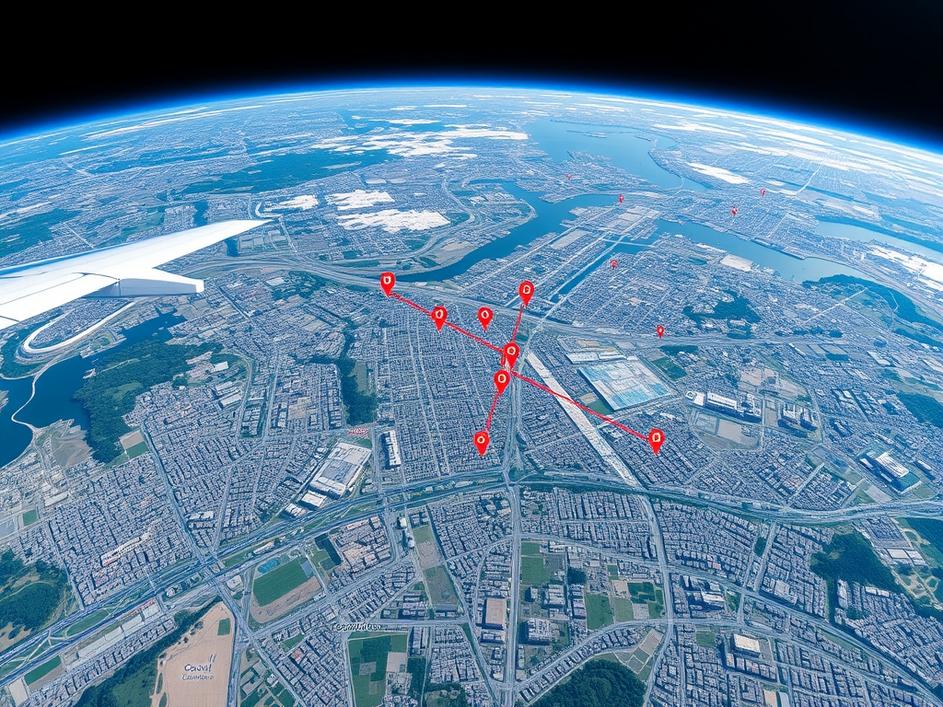
ToggleAfter years of back and forth, South Korea has finally given Google the go-ahead to export high-precision map data. This decision marks a significant shift in the country’s stance, which had previously been hesitant to release such sensitive information. For a long time, security concerns were at the forefront, specifically regarding locations of sensitive facilities like military installations. The worry was that providing detailed map data to a foreign entity like Google could potentially compromise national security. But it seems those concerns have been addressed, or at least mitigated, paving the way for Google to enhance its mapping services in the region.
So, why is this such a big deal for Google? Well, high-precision map data is the backbone of accurate and reliable navigation. It’s what allows Google Maps to provide turn-by-turn directions, estimate arrival times, and offer a comprehensive view of the surrounding environment. With access to this data, Google can significantly improve the accuracy and detail of its maps in South Korea. This means better navigation for users, more precise location-based services, and an overall enhanced experience. For Google, it’s a chance to close the gap with local mapping services that have had a head start in leveraging this type of data.
The impact extends beyond just getting from point A to point B. High-precision map data is crucial for a range of emerging technologies, including autonomous vehicles, drone delivery services, and smart city initiatives. These technologies rely on highly accurate and up-to-date maps to function safely and efficiently. By gaining access to this data, Google can play a more prominent role in the development and deployment of these technologies in South Korea. This could lead to new opportunities for innovation and economic growth, as well as potential challenges and ethical considerations that need to be addressed.
Of course, the decision isn’t without its potential drawbacks. The release of high-precision map data raises valid concerns about privacy. Detailed maps can reveal a lot about people’s movements, habits, and preferences. It’s crucial that Google takes appropriate measures to protect user privacy and prevent the misuse of this data. This includes implementing robust security protocols, anonymizing data where possible, and being transparent about how the data is being used. The debate over privacy versus convenience will likely continue as mapping technology becomes more sophisticated.
South Korea has its own well-established mapping services, like Naver Maps and KakaoMap, which have long benefited from access to this high-precision data. Google’s entry into the field will undoubtedly intensify competition in the market. This could lead to a wave of innovation as companies strive to offer the best possible mapping experience. Local providers will need to step up their game to maintain their market share, while Google will need to prove that it can provide a service that is both accurate and respectful of local customs and regulations. It will be interesting to see how the competitive landscape evolves over the next few years.
It’s also important to consider the geopolitical aspects of this decision. Allowing a foreign company to control such sensitive data raises questions about data sovereignty and national security. The South Korean government likely weighed these factors carefully before making its decision. The approval suggests a calculated risk, balancing the benefits of technological advancement with the need to protect national interests. The government will likely maintain oversight to ensure that Google adheres to strict security and privacy standards. The future relationship between South Korea and Google regarding mapping data will be an ongoing process that requires careful navigation. This decision will likely influence how other countries approach similar requests from foreign technology companies. The balance between innovation, security, and sovereignty is a delicate one, and this case provides valuable insights into how it can be managed.
In conclusion, South Korea’s approval of Google’s bid to export high-precision map data is a significant development with far-reaching implications. It opens up new opportunities for Google to enhance its mapping services, drive innovation in emerging technologies, and contribute to economic growth. However, it also raises important questions about privacy, competition, and national security. Successfully navigating these challenges will require careful planning, collaboration, and a commitment to responsible data management. The future of mapping in South Korea is now more dynamic and complex than ever before. Only time will tell how this decision will ultimately shape the landscape.



Comments are closed