

We are a digital agency helping businesses develop immersive, engaging, and user-focused web, app, and software solutions.
2310 Mira Vista Ave
Montrose, CA 91020

2500+ reviews based on client feedback
What's Included?
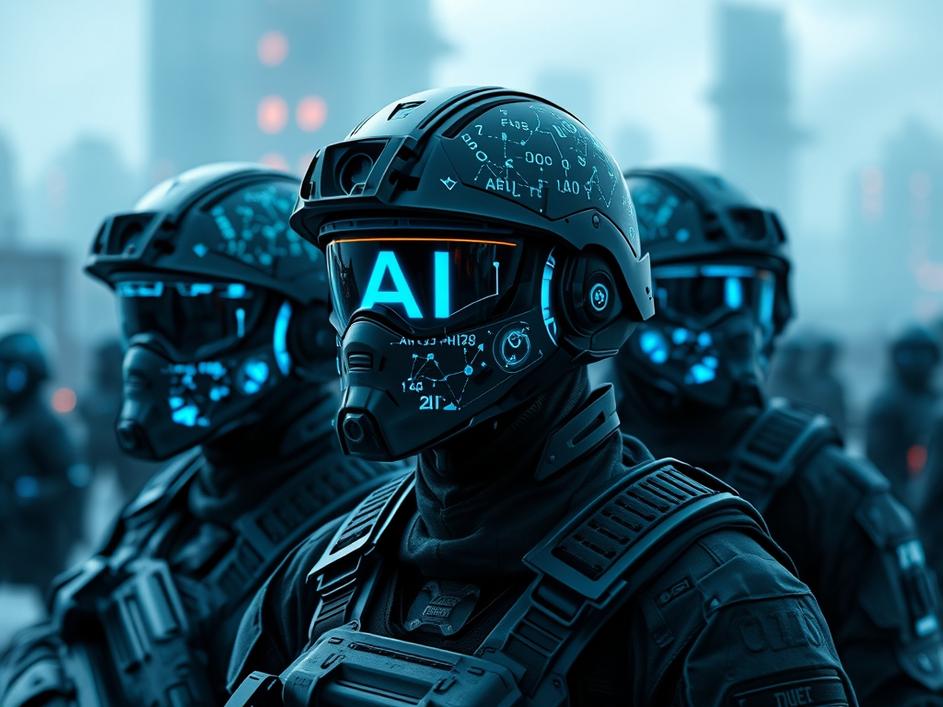
ToggleArtificial intelligence is rapidly changing many aspects of our lives, from how we shop to how we communicate. Now, it’s poised to make a significant impact on national security. OpenAI, the company behind powerful AI models like GPT-4, has reached an agreement to deploy its technology on the U.S. Department of Defense’s classified network. This marks a major step forward in integrating AI into military operations and raises important questions about the future of warfare. It moves AI beyond assisting in data analysis and into possibly providing real-time support in highly sensitive environments. The potential benefits are significant, but so are the risks.
While the specific details of the agreement remain confidential, it’s understood that OpenAI’s AI models will be used to enhance the Pentagon’s ability to process information, improve decision-making, and potentially automate certain tasks. It is believed that this implementation will be separate from internet access to protect highly sensitive data. This could involve applications like threat detection, predictive maintenance for military equipment, and improved intelligence gathering. The deal highlights the growing recognition within the government that AI is a critical tool for maintaining a competitive edge in the 21st century. However, the ethical considerations surrounding the use of AI in warfare are also becoming increasingly important.
The integration of AI into military systems is not without controversy. Many experts and advocacy groups have raised concerns about the potential for bias in AI algorithms, the lack of transparency in AI decision-making, and the risk of accidental escalation. Autonomous weapons systems, which can select and engage targets without human intervention, are a particularly contentious issue. Critics argue that such systems could lead to unintended consequences and violate international humanitarian law. There’s also the risk that biased datasets could lead to AI models making discriminatory decisions, targeting specific groups of people unfairly. These concerns need to be carefully addressed to ensure that AI is used responsibly and ethically in defense applications.
Beyond the ethical considerations, the Pentagon’s interest in AI reflects a broader strategic goal: maintaining technological superiority over potential adversaries. Countries like China and Russia are also heavily investing in AI for military applications, and the U.S. believes it must keep pace to deter aggression and protect its interests. AI could provide an advantage in areas such as cyber warfare, electronic warfare, and autonomous vehicles. The goal is not necessarily to replace human soldiers but rather to augment their capabilities and improve their effectiveness. In the future, this could change, with more autonomous systems taking on combat roles.
This agreement between OpenAI and the Department of Defense offers a glimpse into the future of warfare, where AI plays an increasingly important role. While the technology holds immense potential to improve defense capabilities and protect national security, it also presents significant challenges that must be addressed proactively. Clear ethical guidelines, robust oversight mechanisms, and ongoing dialogue between policymakers, researchers, and the public are essential to ensure that AI is used responsibly in defense applications. The stakes are high, and the decisions we make today will shape the future of warfare for generations to come. The question remains of how to adapt existing laws and how to forge new laws to manage this new paradigm shift.
There’s a delicate balance between fostering innovation in AI and ensuring its responsible use, especially in sensitive areas like national security. Regulations need to be flexible enough to accommodate rapid technological advancements but also strong enough to prevent misuse and unintended consequences. Transparency is also crucial, allowing for public scrutiny and accountability. Furthermore, the development and deployment of AI systems should involve diverse perspectives, including ethicists, legal scholars, and human rights advocates. By working together, we can harness the power of AI to enhance national security while upholding our values and protecting human rights. The partnership with OpenAI reflects a move to use available technologies to support the military but does highlight how entwined civilian and government technologies are becoming.



Comments are closed