

We are a digital agency helping businesses develop immersive, engaging, and user-focused web, app, and software solutions.
2310 Mira Vista Ave
Montrose, CA 91020

2500+ reviews based on client feedback
What's Included?
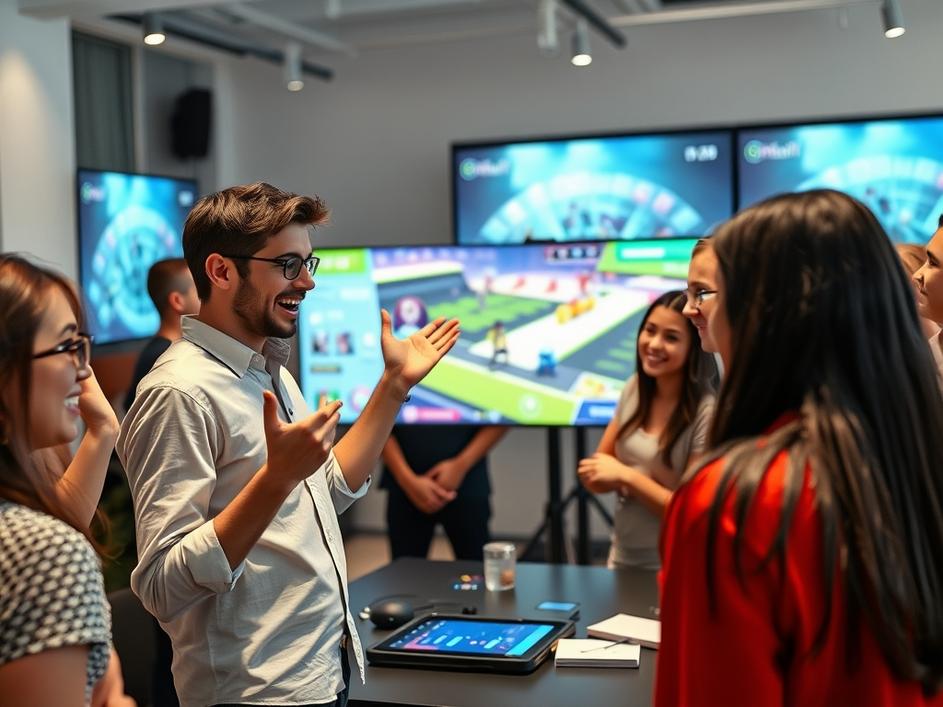
ToggleSo, there’s this Gen Z CEO making waves online, and he’s really excited about a new type of gaming experience. He thinks it’s something different than what we’re used to, something that could actually change the way people think about games. He has a lot of energy and enthusiasm, and it’s hard not to get a little caught up in it. It’s interesting to hear someone so young and driven talk about the future of entertainment.
What’s this new genre, exactly? Well, it sounds like it’s about more than just winning or losing. Forget the standard first-person shooter or the sprawling MMORPG. This CEO envisions a gaming space where creativity and innovation are just as important as skill. We’re talking about games where the players themselves help shape the world and the experience. It’s not just about following a story; it’s about building one together. It would involve more player agency than we’ve seen before, maybe even some player input into the very rules of the game itself. No two playthroughs would ever be alike.
This new approach is heavily based on community. It’s not just about playing with others, but actually working together to create something bigger than yourself. The CEO emphasizes the importance of connection, and of fostering a sense of belonging through gaming. He sees gaming as a way to bring people together from all over the world, building friendships and forging new relationships. And that sense of connection can be powerful, especially in a world that often feels disconnected. Maybe this can be the antidote.
But is it just entertainment? The CEO suggests it’s more than that. He talks about the potential for learning, for personal growth, and even for solving real-world problems through these new gaming experiences. Imagine a game that helps you develop critical thinking skills, or that allows you to explore different perspectives and cultures. The possibilities are pretty exciting. This could be a learning environment people want to be a part of. If the player has input into the game, it could also be very adaptive to the needs of the player. This could be revolutionary.
Now, I’m not completely sold just yet. Hype is easy to generate, and new ideas often sound better on paper than they do in practice. There are plenty of potential challenges. Can you really create a gaming experience that’s both engaging and meaningful? How do you balance player freedom with a cohesive narrative? How do you prevent griefing and toxic behavior? And how do you make sure that everyone has equal access to these experiences? These are all important questions that need to be answered. Will everyone accept it? I have my doubts. But I am excited to see where it goes.
But even with my skepticism, I can’t help but feel a sense of optimism. This CEO’s vision is compelling. And maybe, just maybe, this new genre of gaming really could change the world. It’s a future where games aren’t just a way to escape reality, but a way to engage with it more deeply, to connect with others, and to create something truly special. And that’s a future worth striving for. It is the passion of the CEO that sells it, and I’m willing to see where it leads. But it will be a long journey for sure.
One critical aspect often overlooked in discussions about innovative gaming genres is the monetization model. How will these games sustain themselves and provide value to developers while remaining accessible and engaging for players? Traditional models like subscription fees or in-app purchases might not align with the ethos of community-driven, creative experiences. Exploring alternative models, such as blockchain-based economies, where players earn and trade in-game assets, or decentralized autonomous organizations (DAOs) that empower players to govern the game’s development, could prove vital. Sustainability is key to ensuring the long-term viability of this vision.
Ensuring these new gaming experiences are accessible and inclusive is paramount. Accessibility goes beyond simply providing options for different languages or control schemes. It means designing games that cater to players with disabilities, neurodivergent individuals, and people from diverse cultural backgrounds. Inclusive design principles should be baked into the game’s core mechanics and narrative, ensuring that everyone feels welcome and represented. The CEO’s vision must prioritize creating a space where all players can participate and contribute meaningfully.
As gaming becomes increasingly integrated into our lives, it’s crucial to address the ethical considerations that arise. Concerns surrounding data privacy, online safety, and the potential for addiction need to be carefully examined. Developers and platforms must implement robust measures to protect player data, combat online harassment, and promote responsible gaming habits. This new genre of gaming has the potential to foster positive change, but only if ethical considerations are at the forefront of its development.
Ultimately, the success of this new gaming genre hinges on the ability to deliver on its promises. It’s not enough to simply create games that are fun and engaging; they must also be meaningful, accessible, and ethically sound. The Gen Z CEO’s vision is ambitious, but with careful planning, collaboration, and a commitment to responsible innovation, it has the potential to revolutionize the gaming industry and create a more connected and enriching world for players. We stand at the precipice of a new era in gaming, and it’s up to us to shape its future.



Comments are closed